West Africa’s Sahel Region: A Fight for Stability and Sovereignty
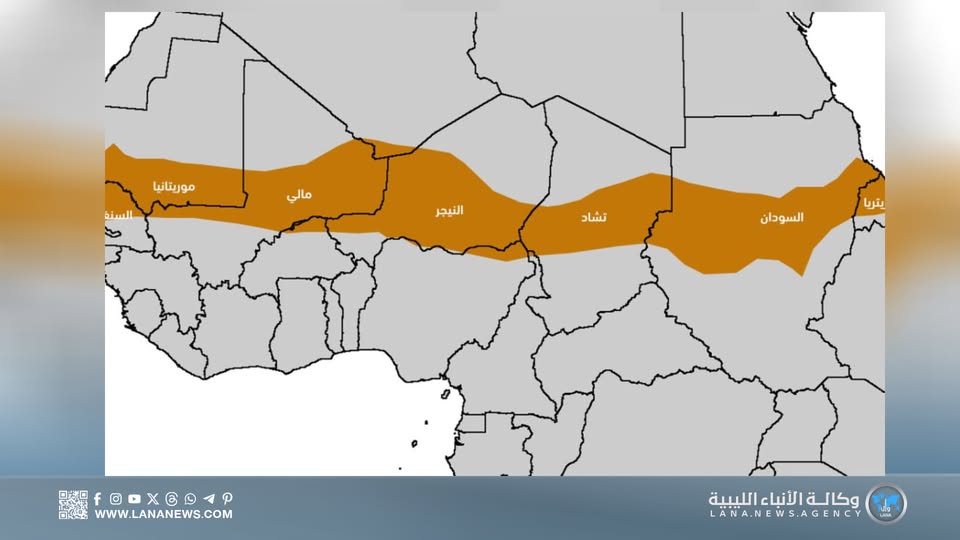
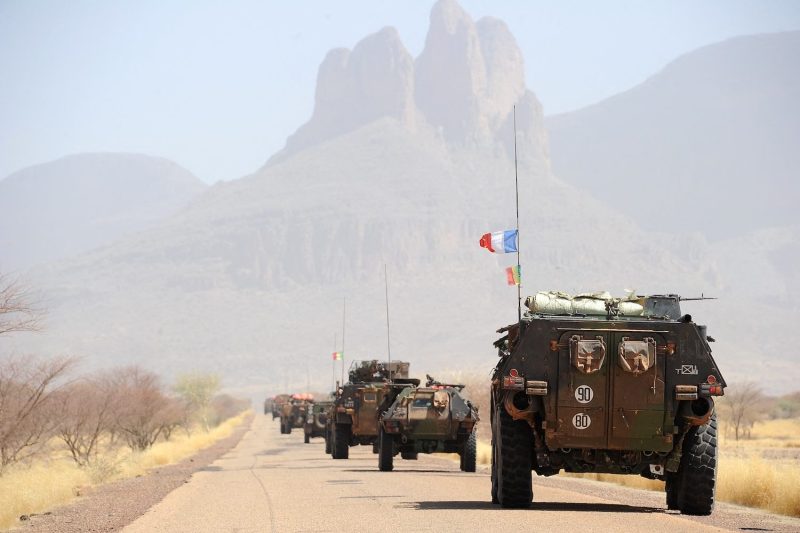
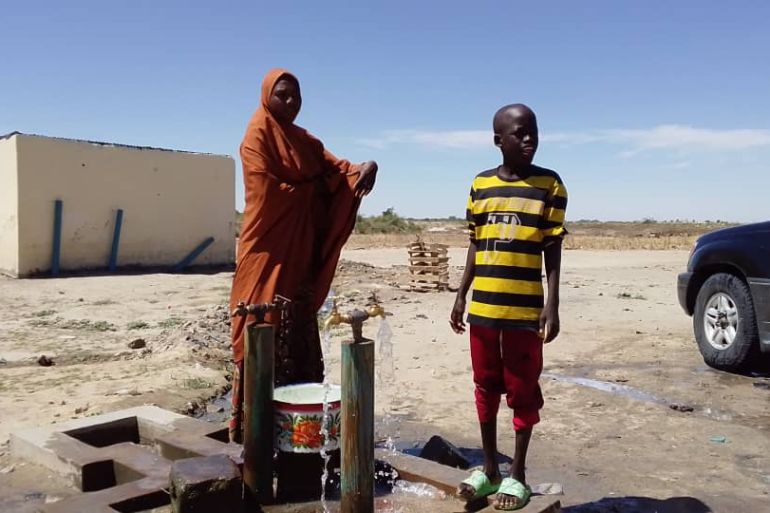
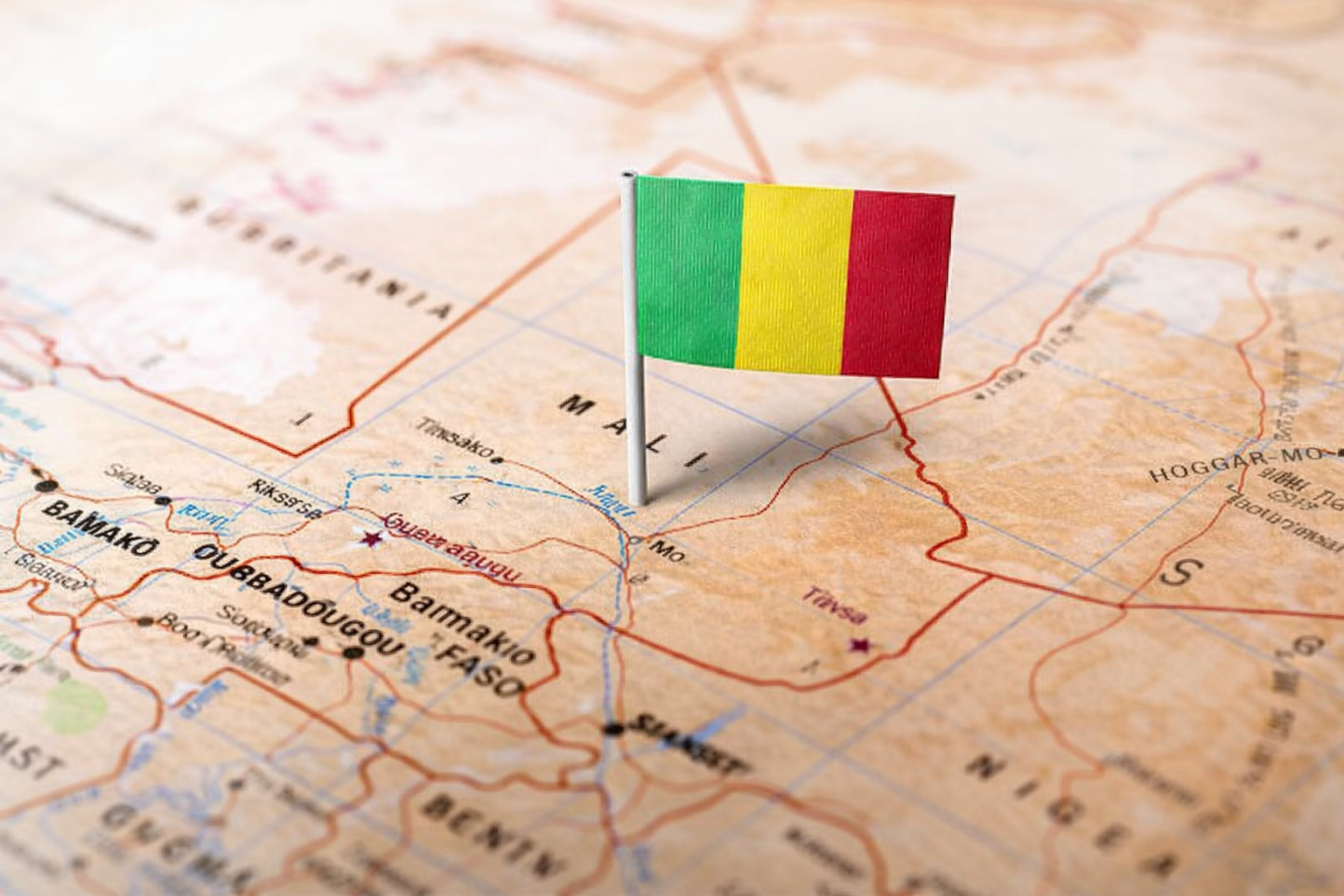
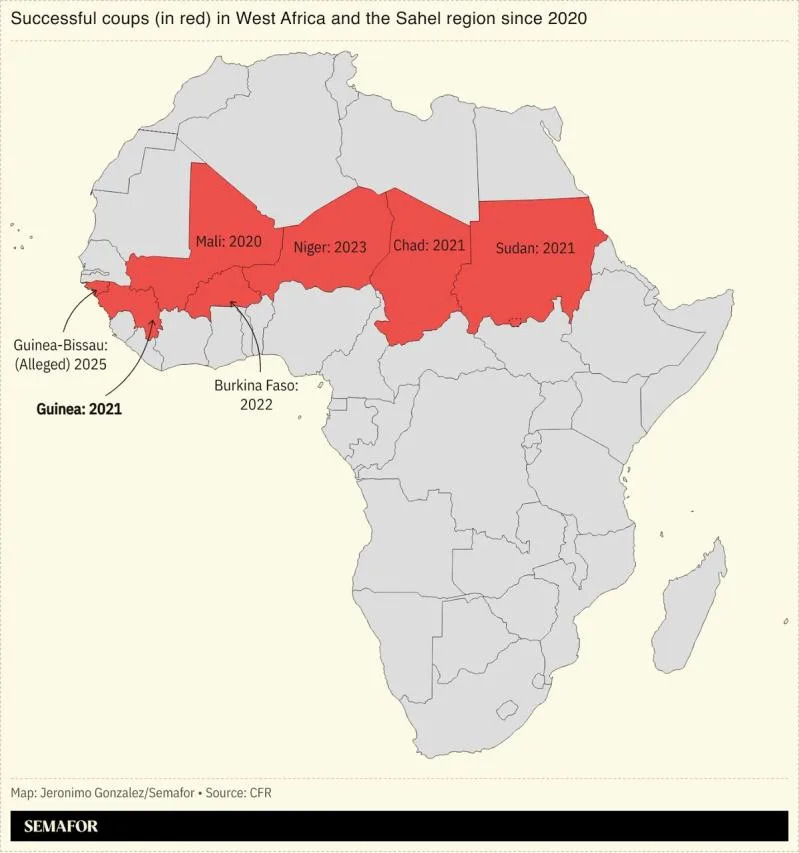
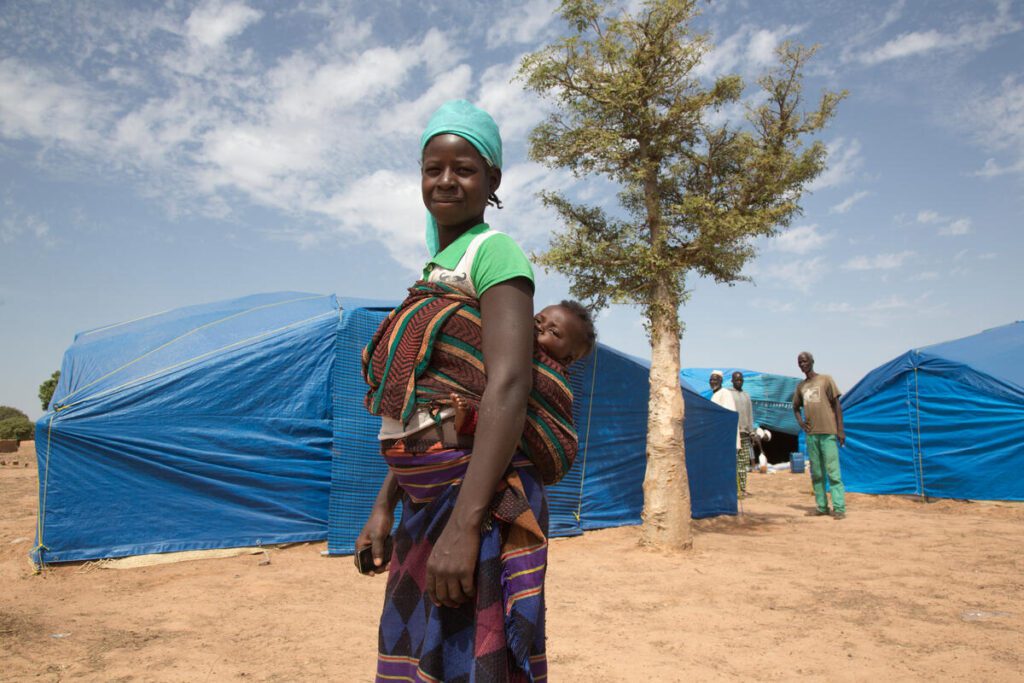
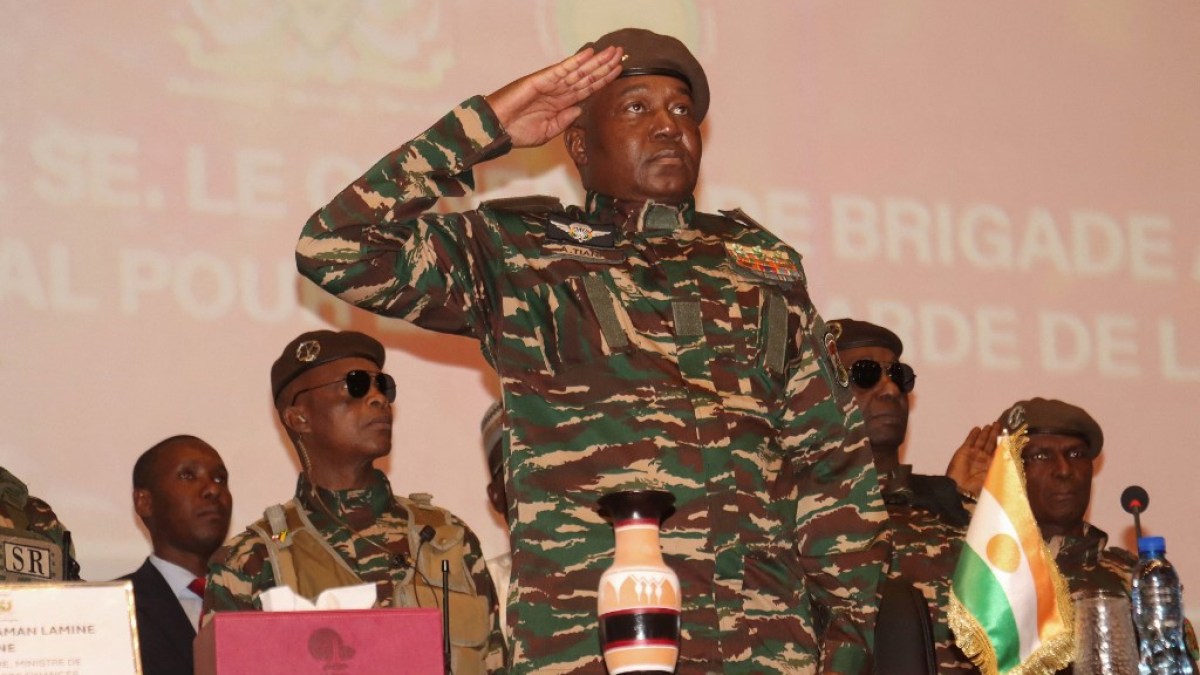
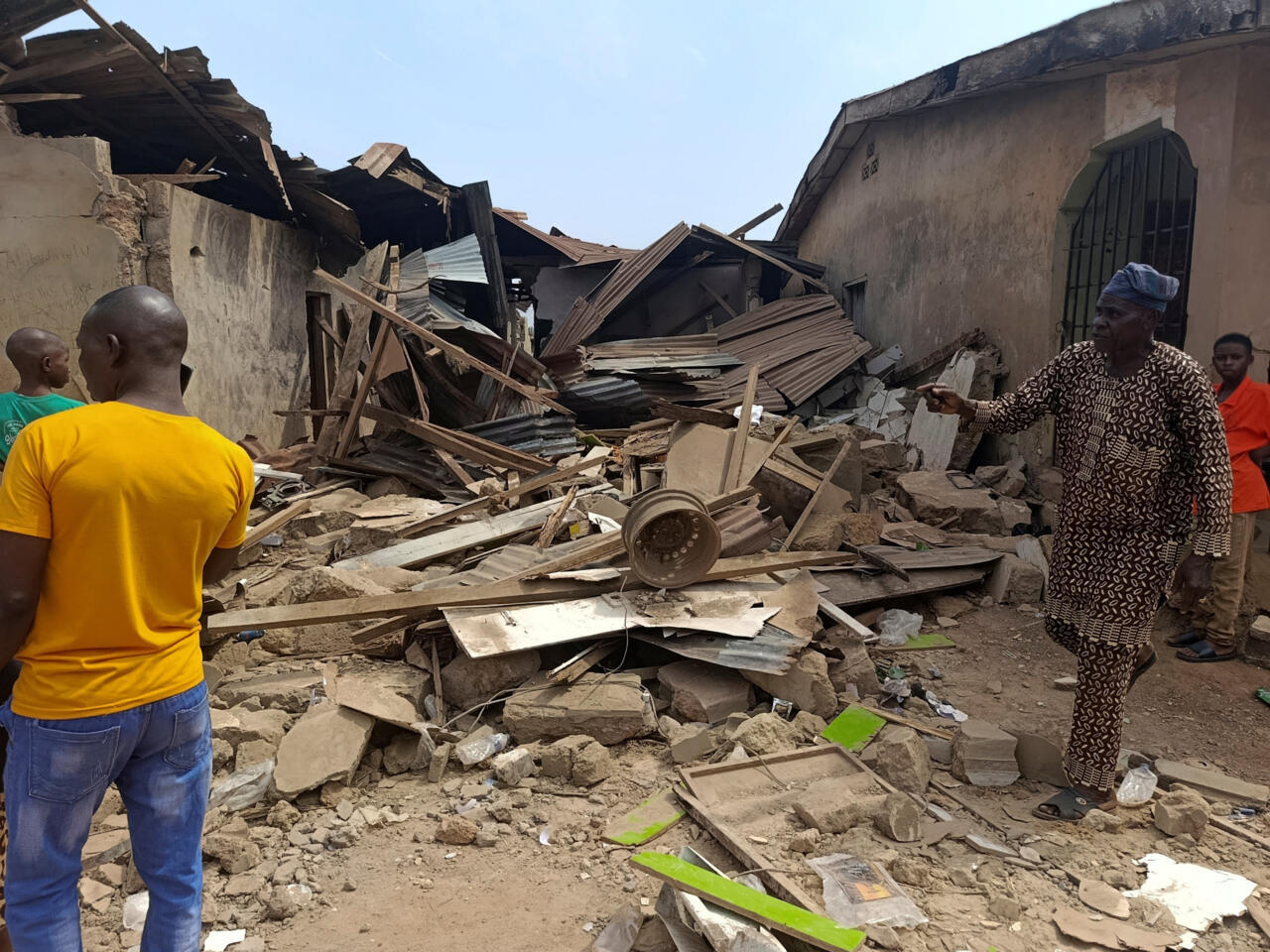
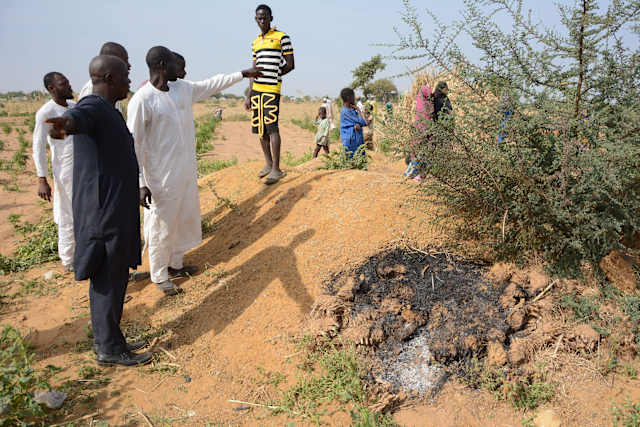
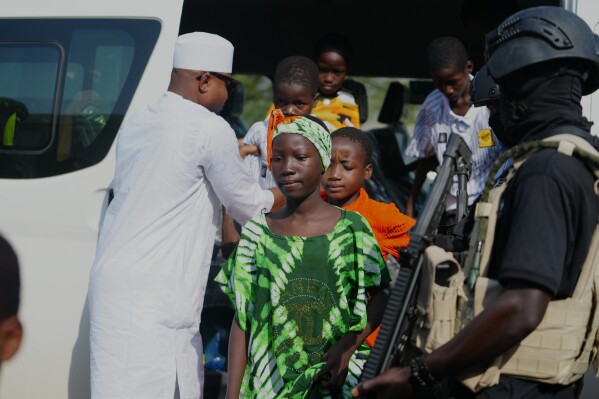
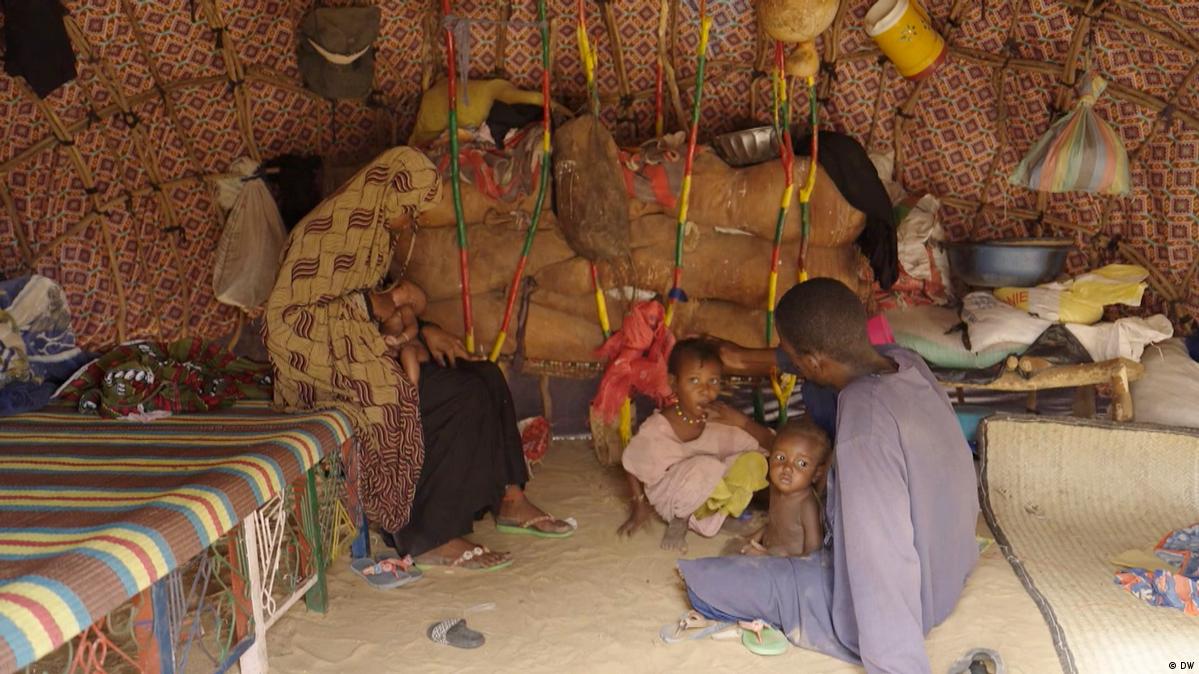
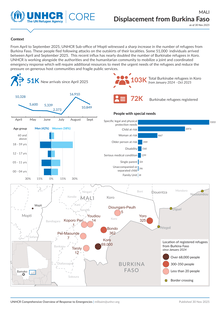
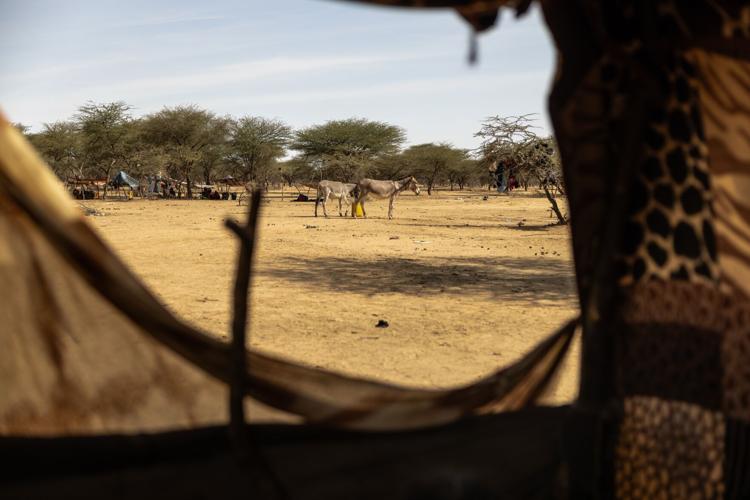
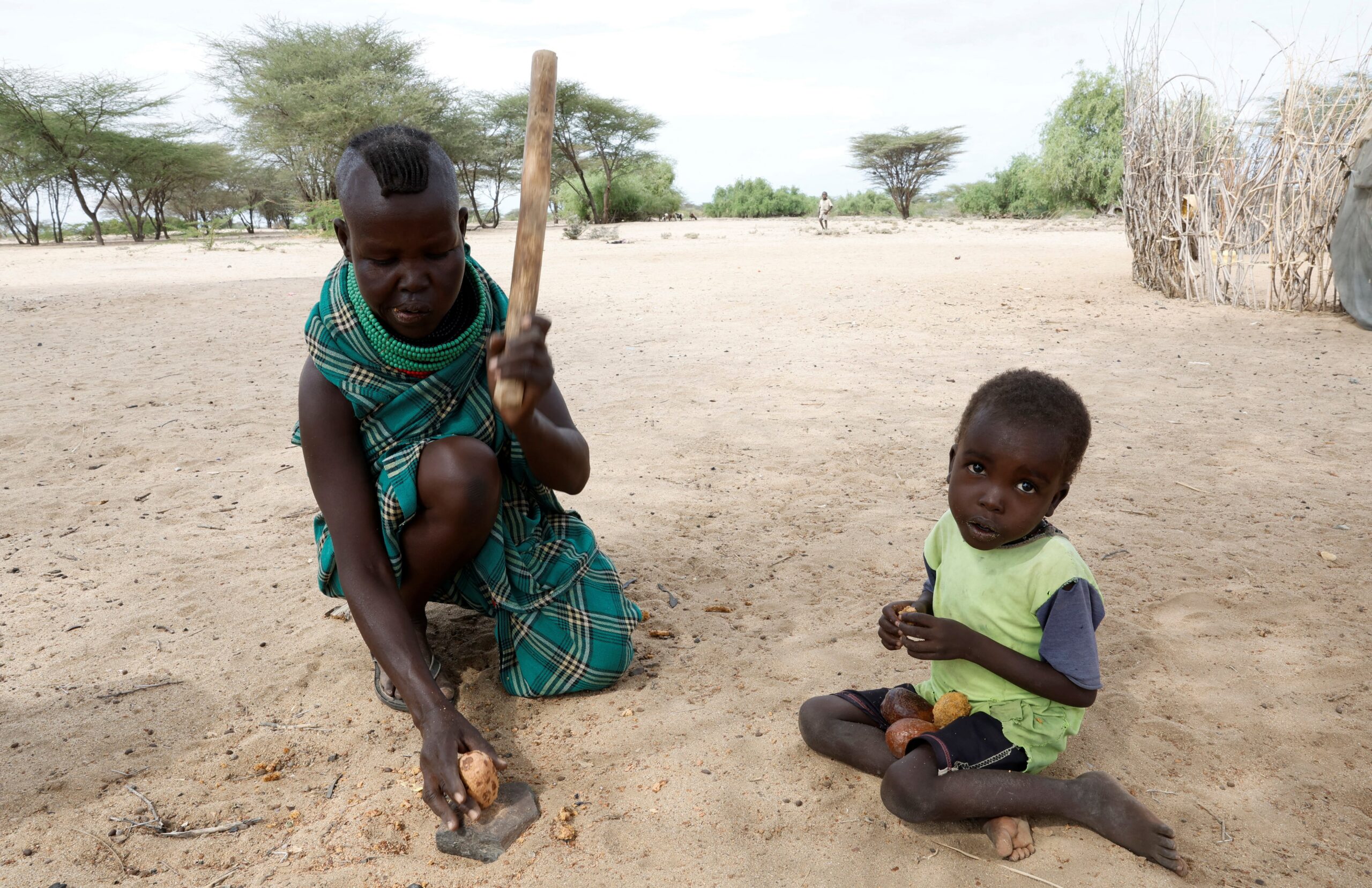
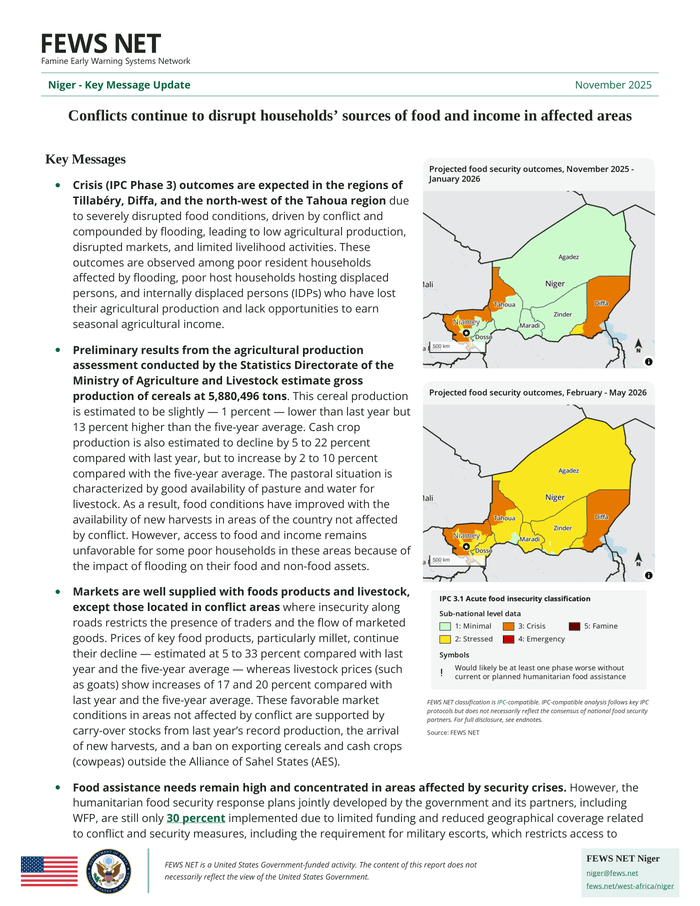
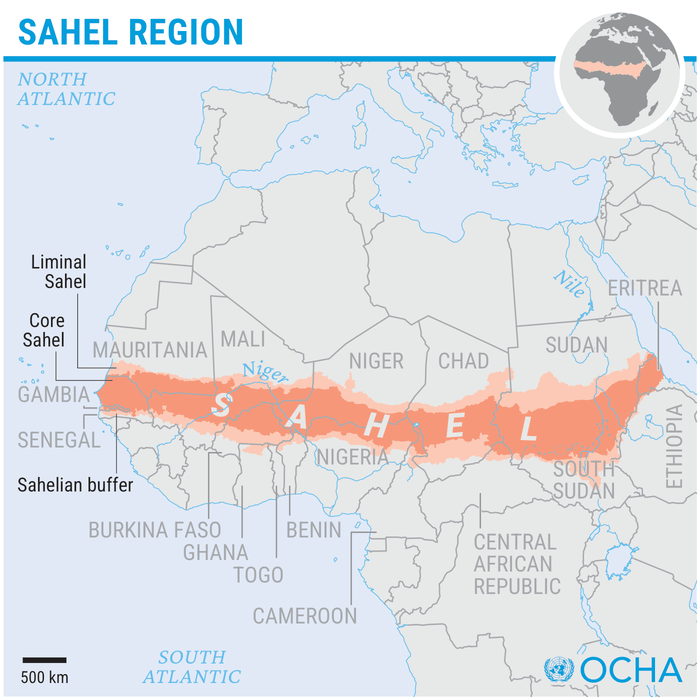
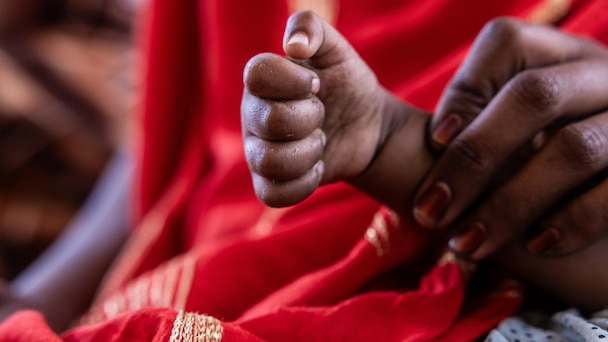
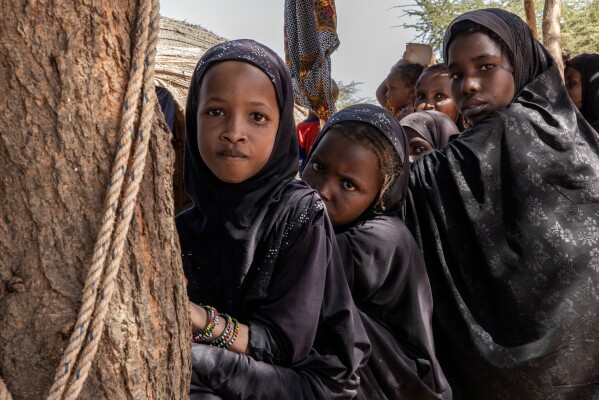
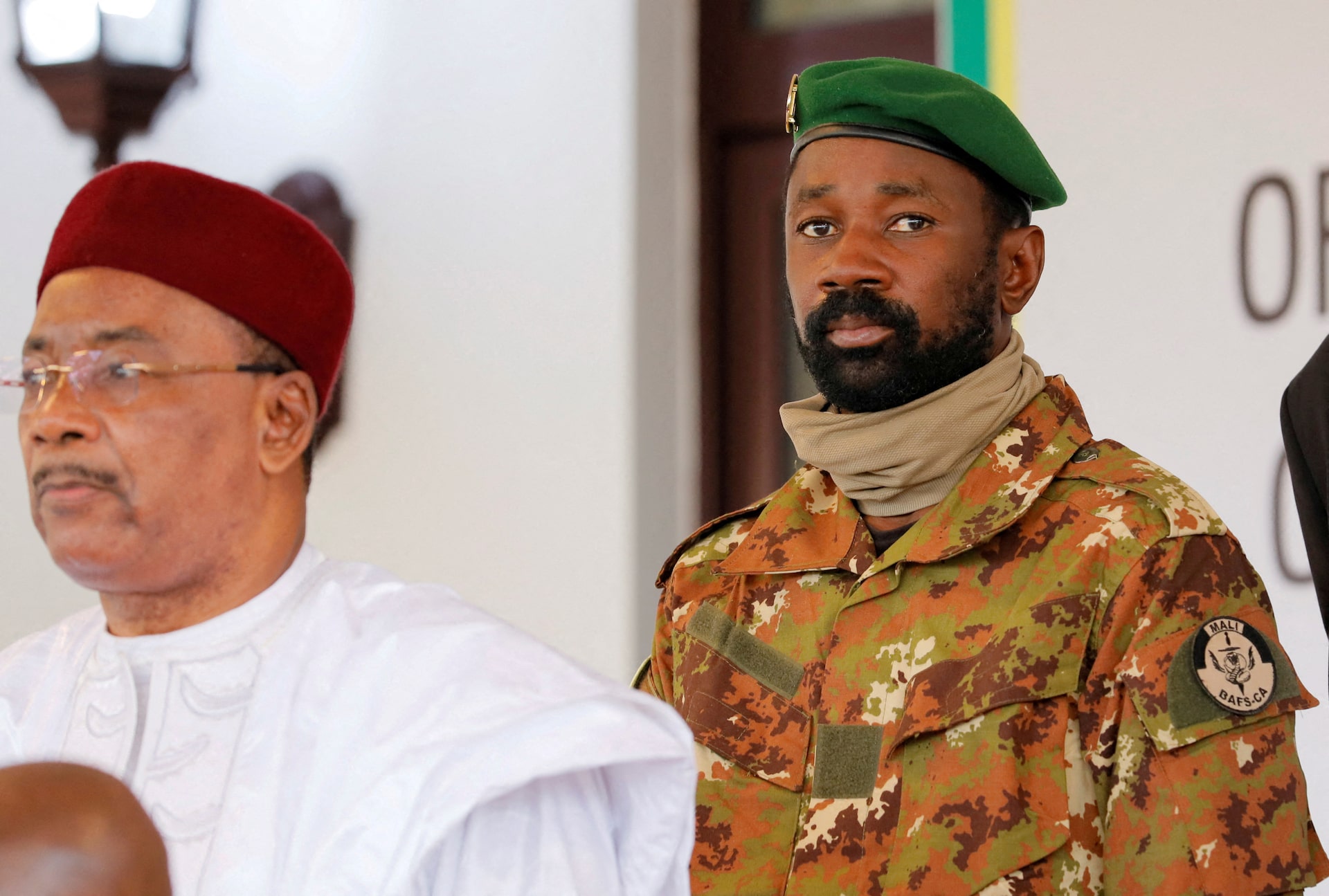
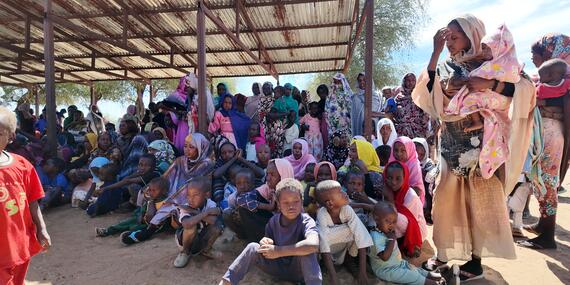
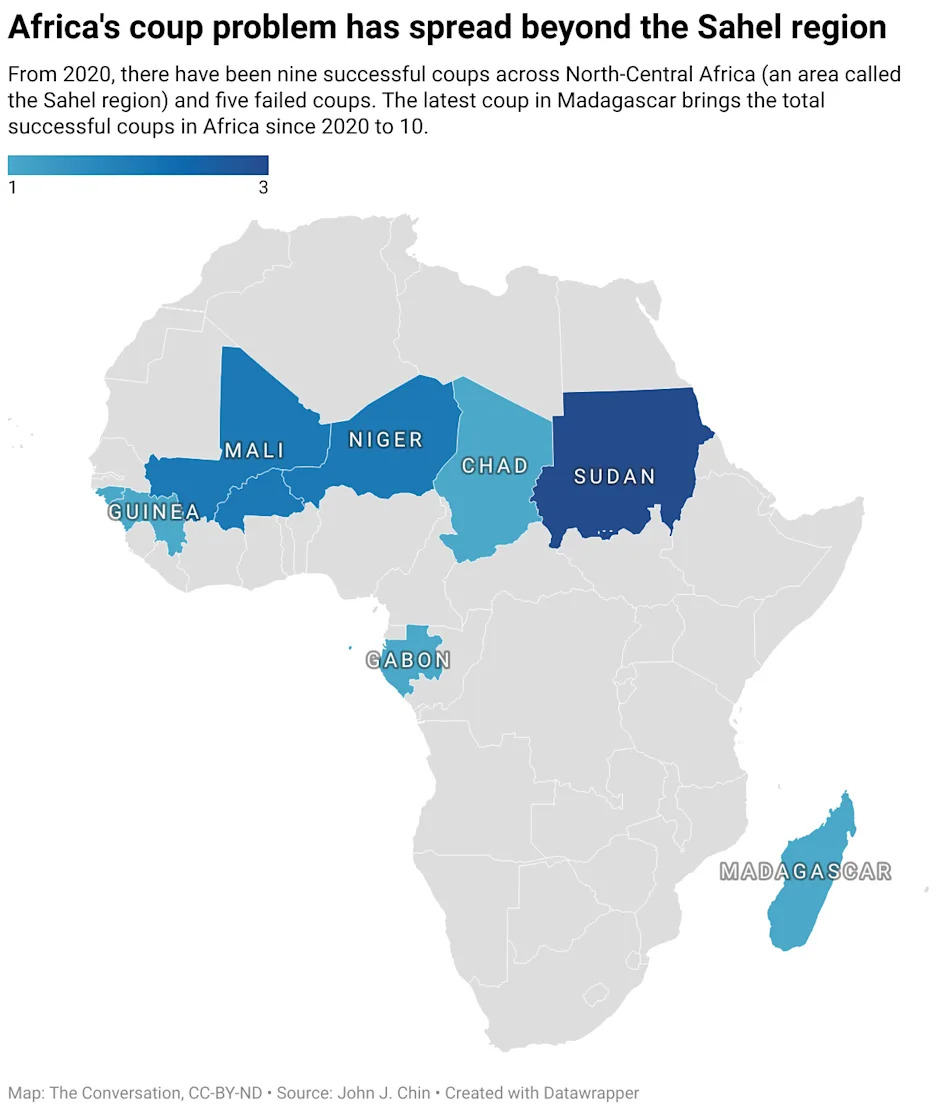
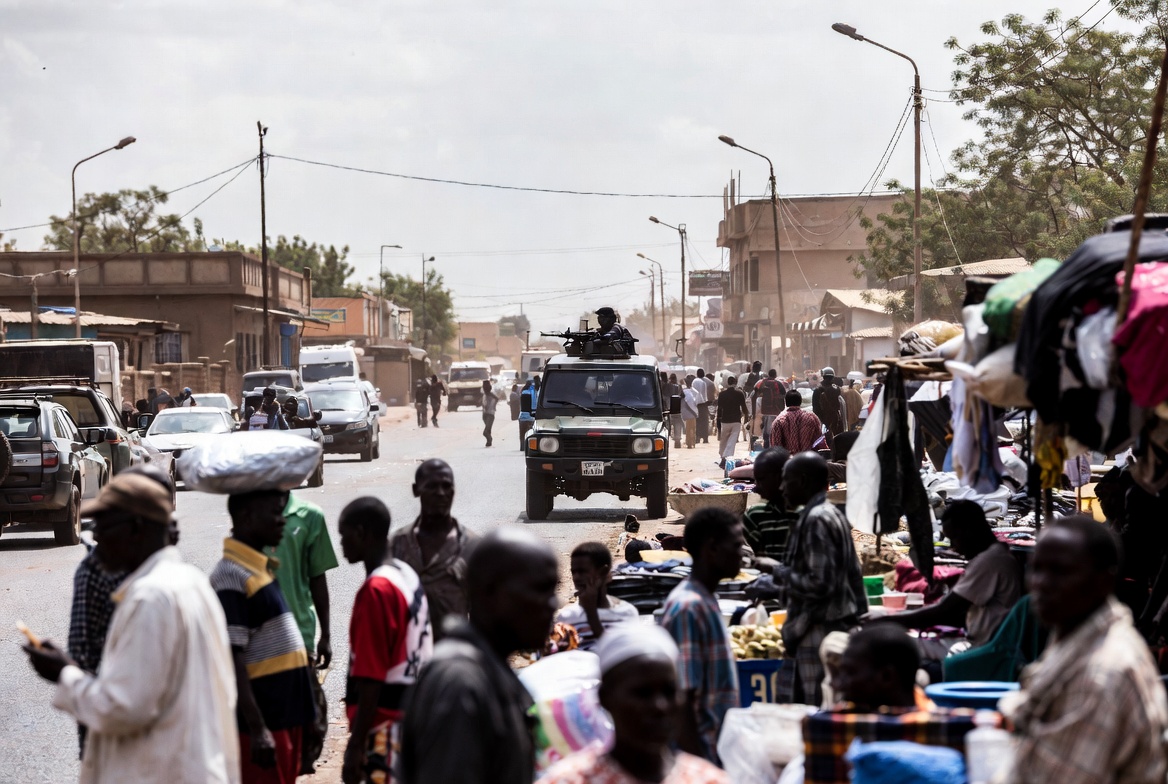
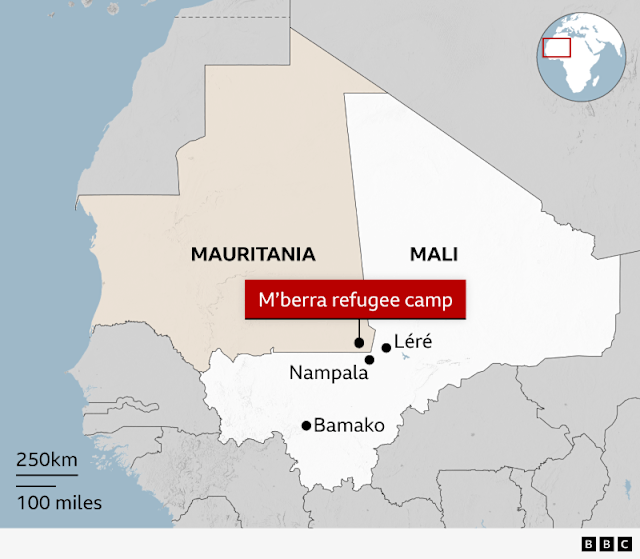
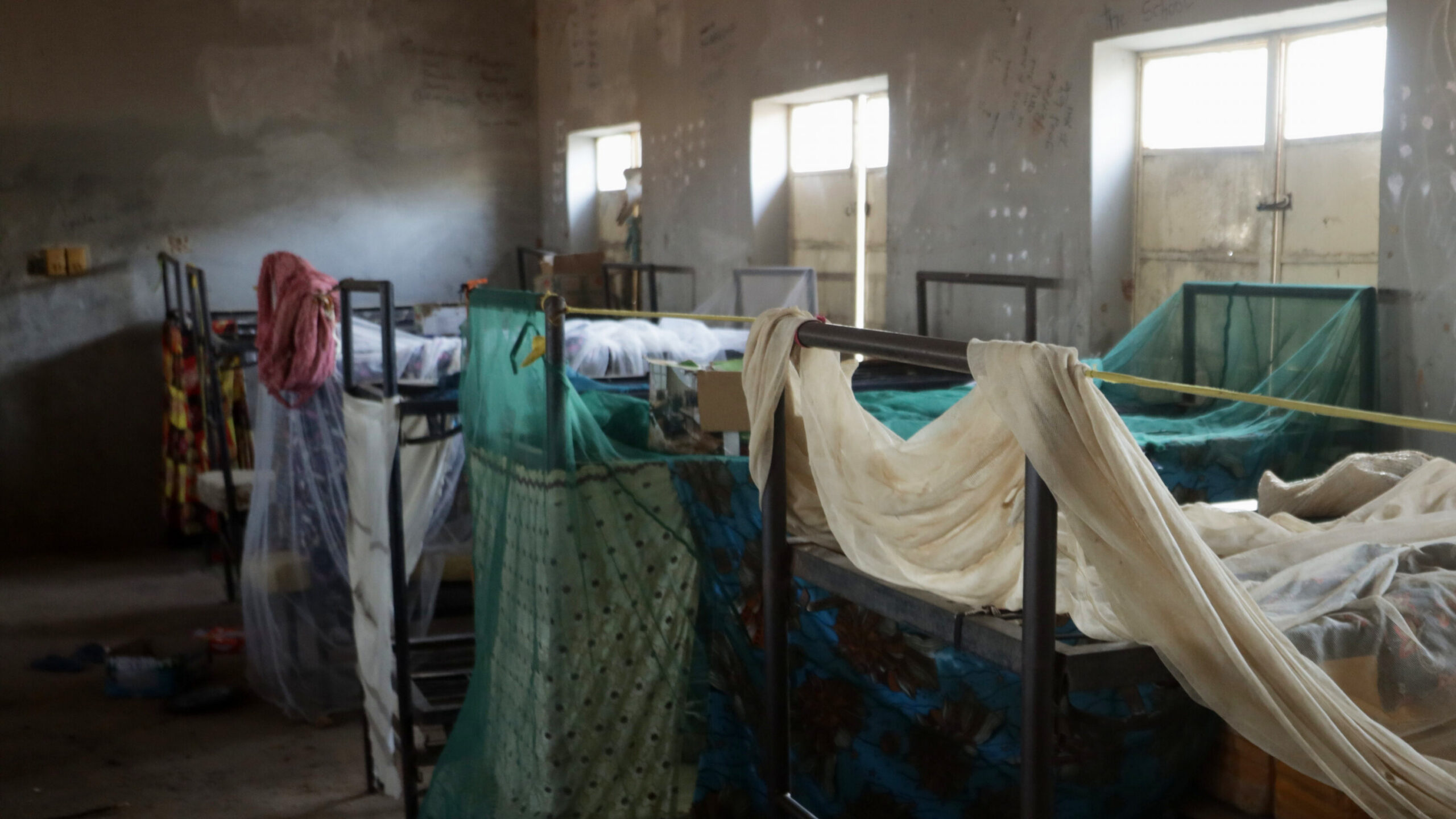
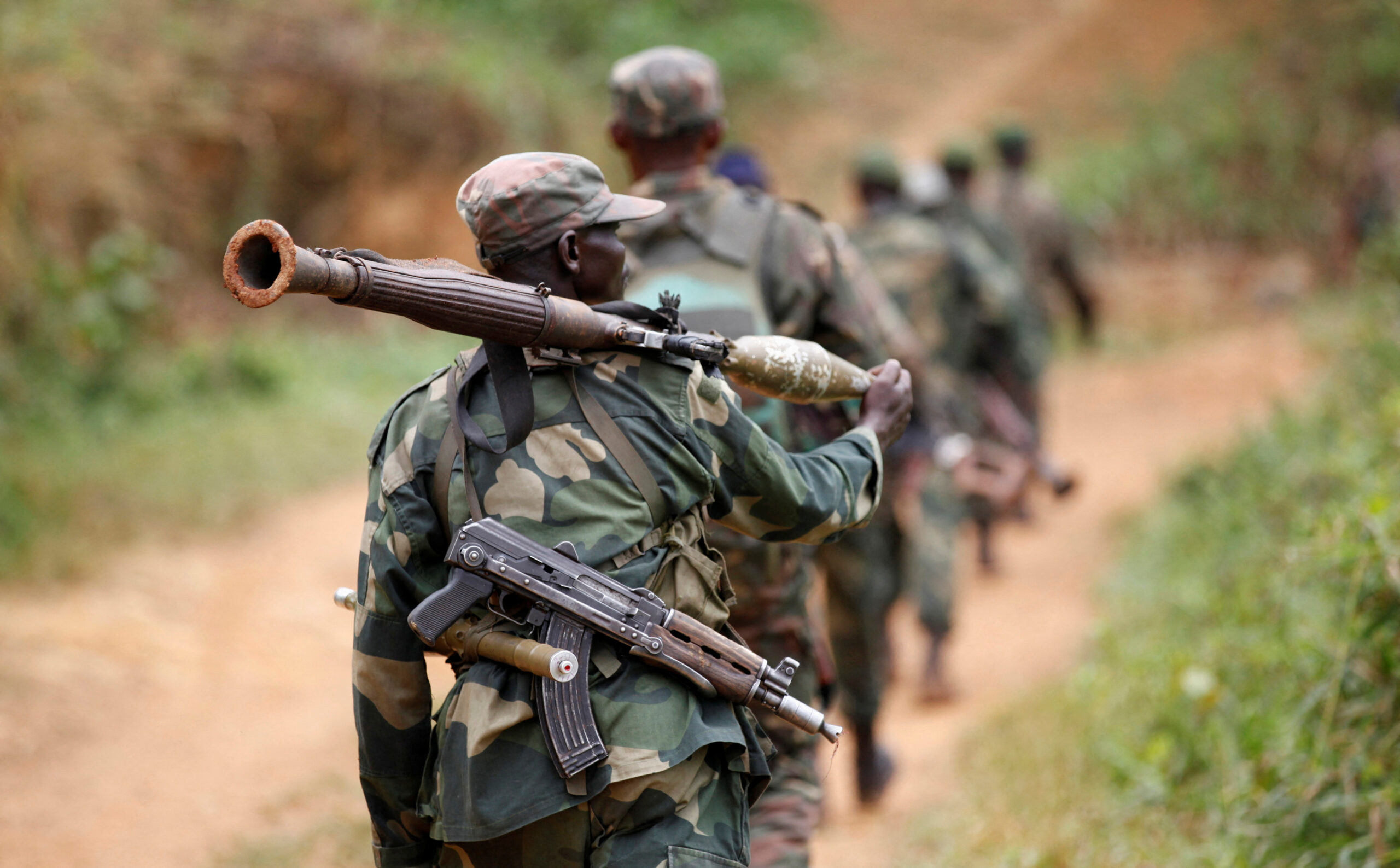
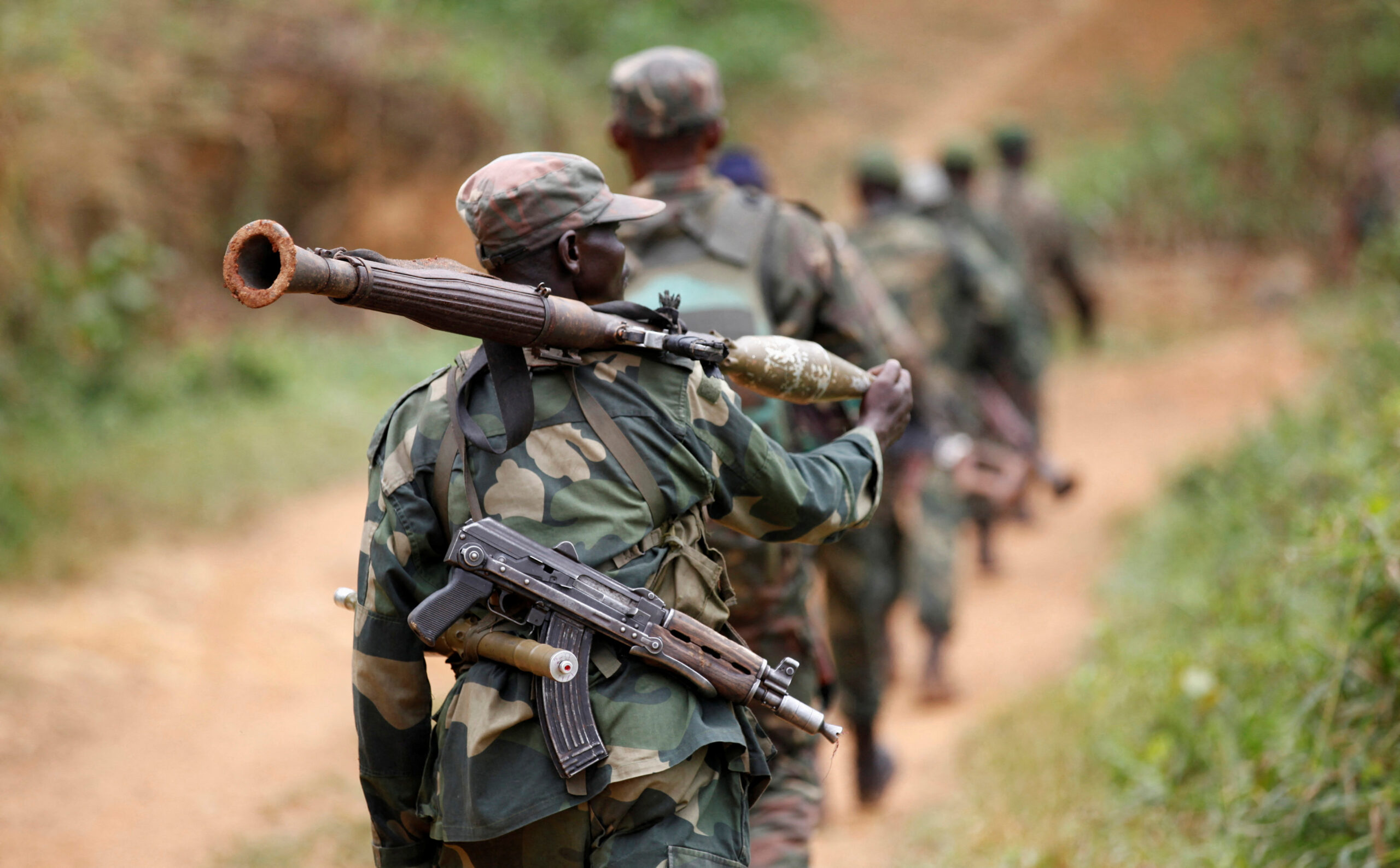
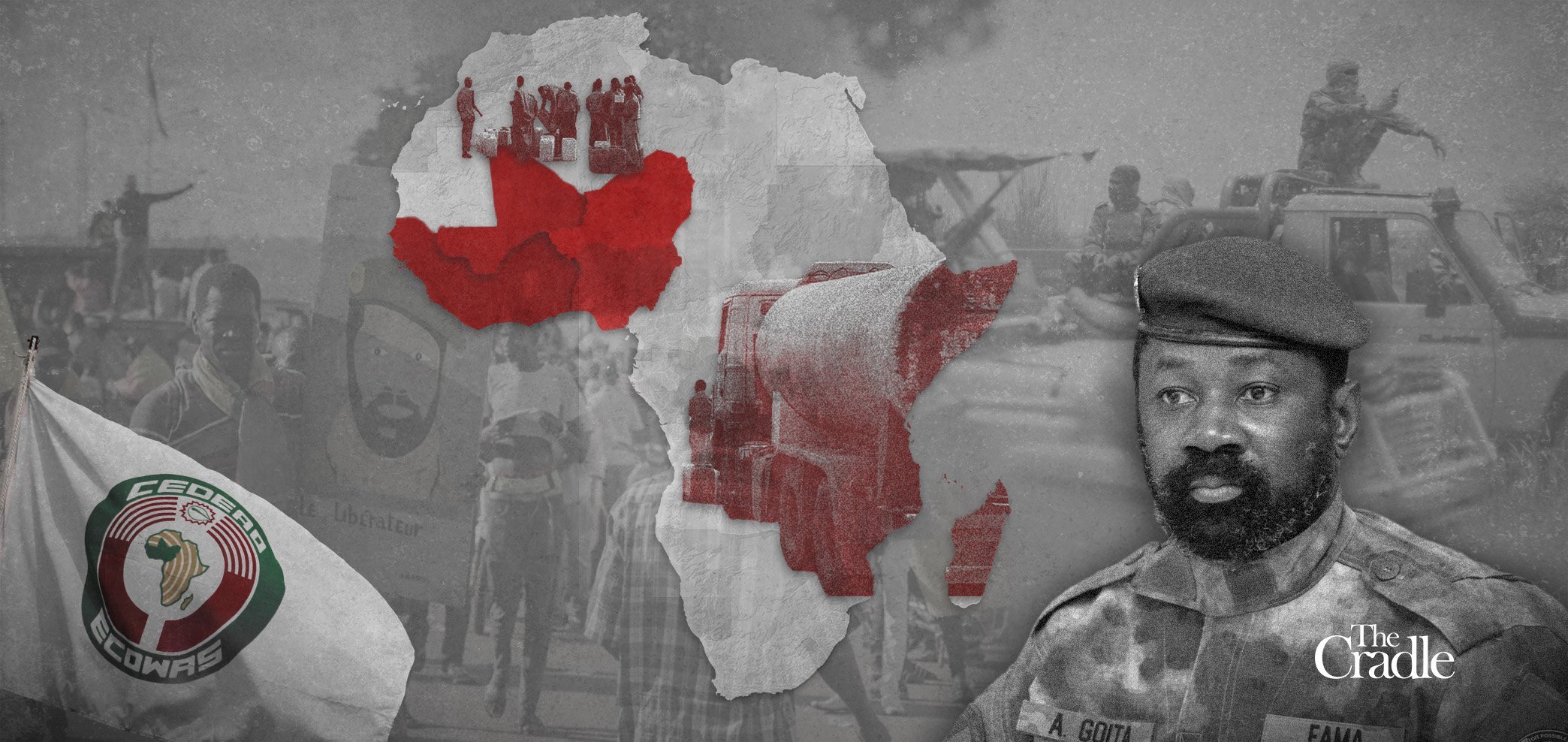
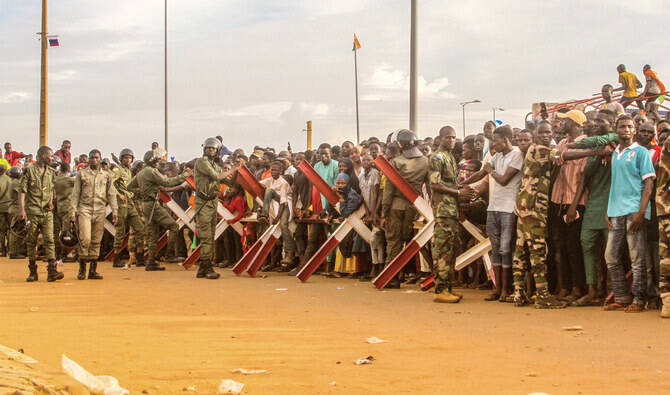
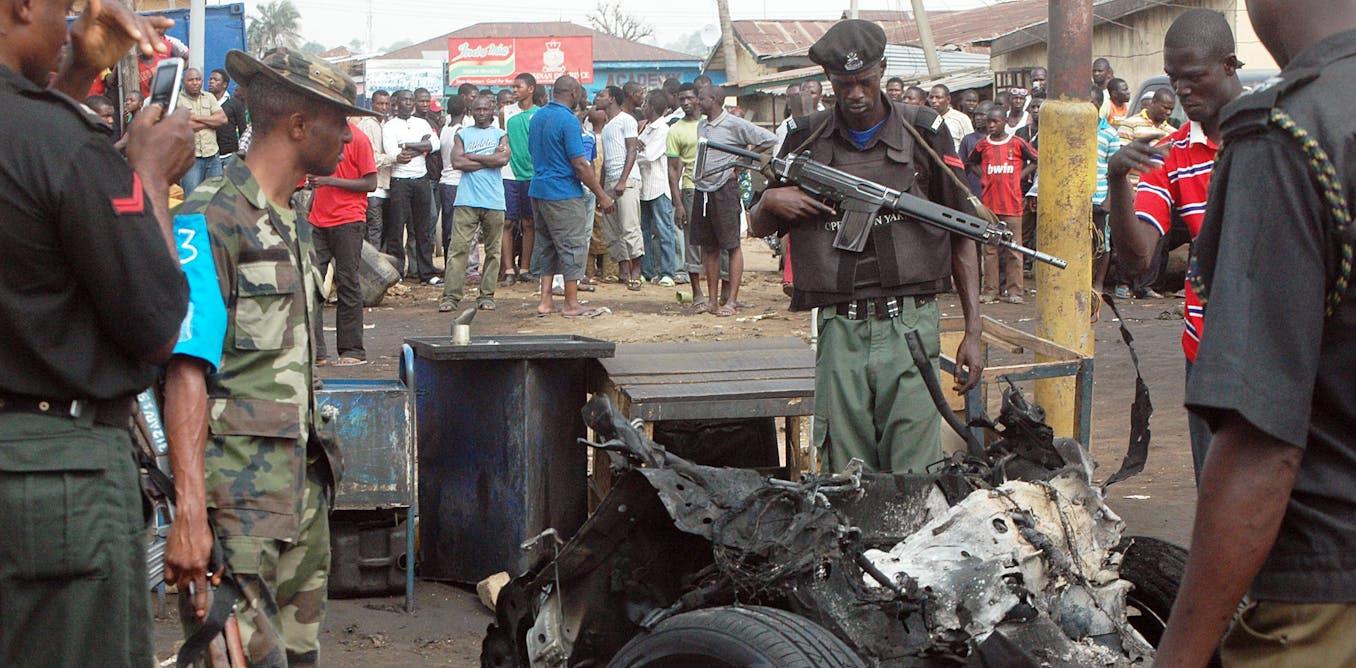
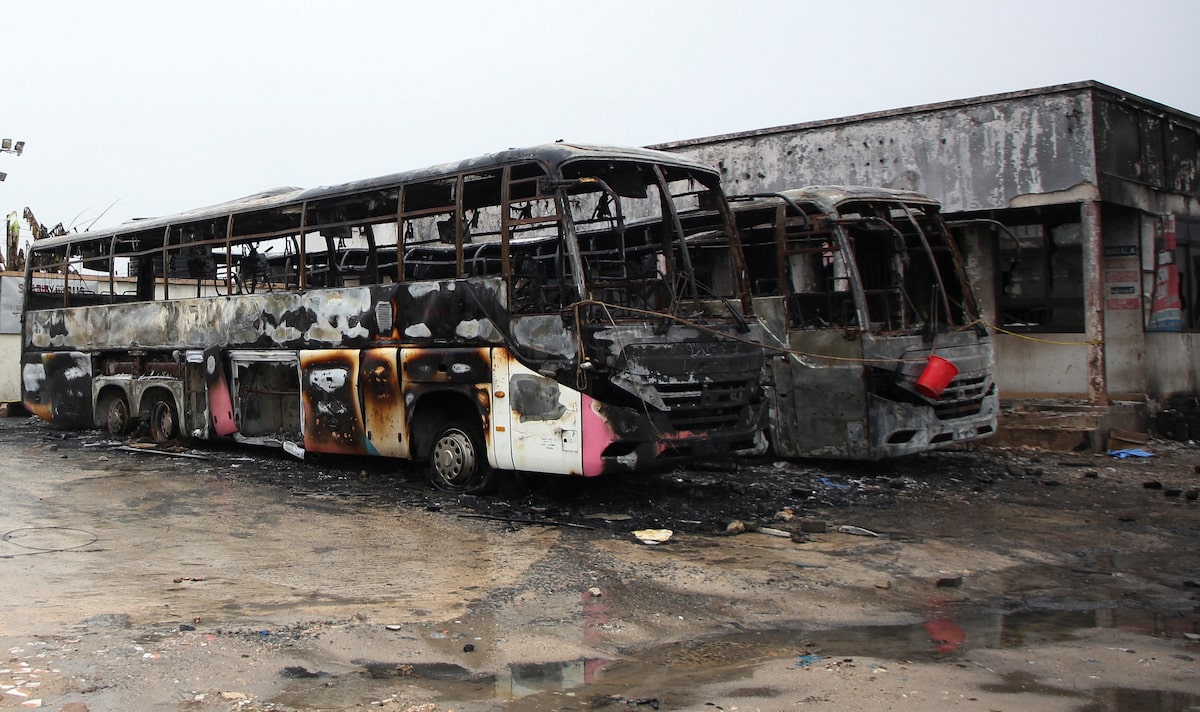
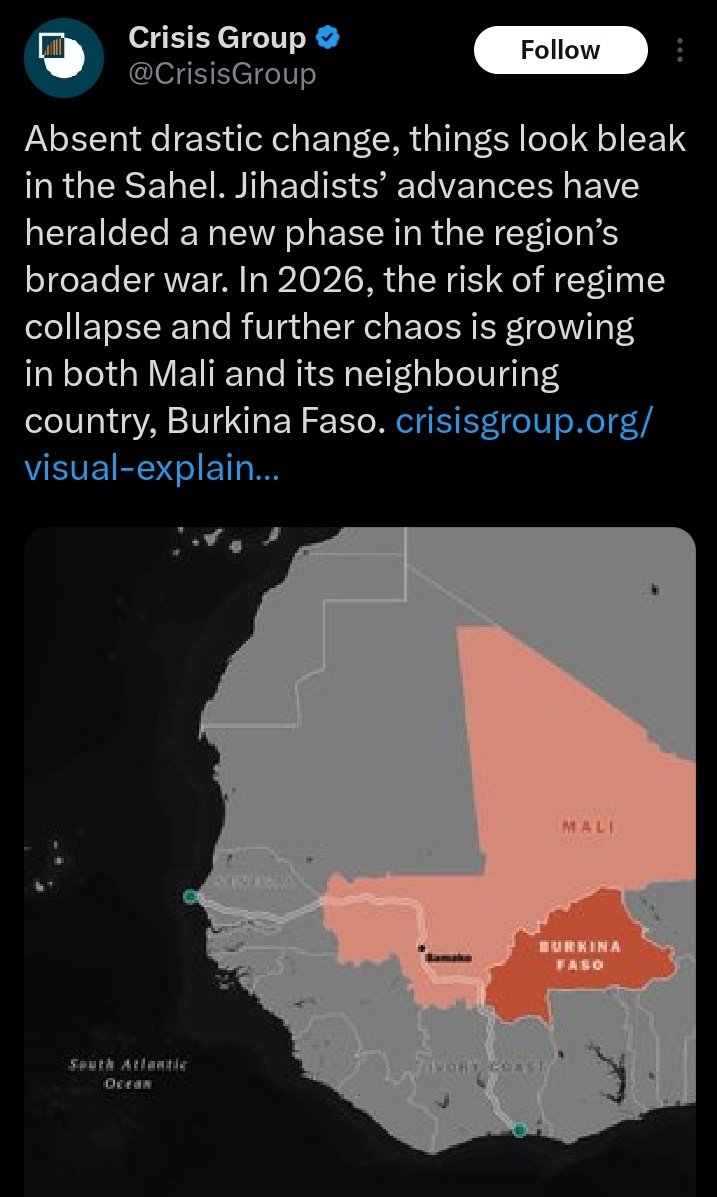
The Sahel region of West Africa is in the grips of a fierce struggle. Jihadist insurgencies, a deepening humanitarian crisis, and bold attempts to redefine regional security all converge in a complex, escalating situation. Mali, Burkina Faso, and Niger stand at the forefront, grappling with challenges that threaten their very sovereignty, territorial integrity, and the lives of millions. Al-Qaeda’s insurgent wing in the Sahel has been stepping up its attacks, even laying siege to Mali’s capital, Bamako, and pushing into surrounding areas. This aggressive expansion highlights how these groups exploit local vulnerabilities, leaving many towns under militant influence and eroding public confidence. Can citizens trust their governments to protect them? This insecurity has led to a severe humanitarian crisis across the Central Sahel, forcing millions from their homes. Since late 2025, for instance, nearly 7,500 Malians have trekked into Mauritania, desperate to escape the relentless insurgency and what they see as their state’s failure to provide security or basic services. This displacement underscores an urgent need for effective governance and humanitarian aid.
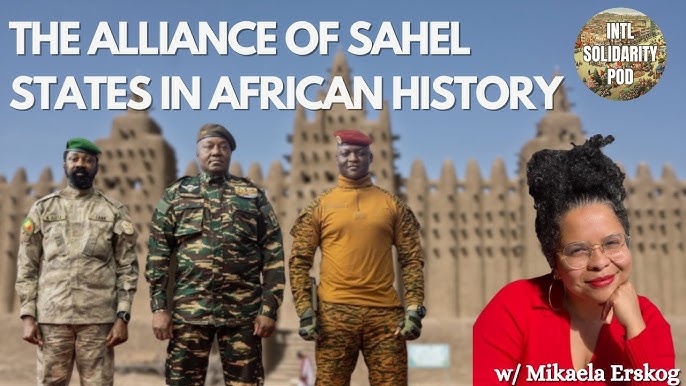
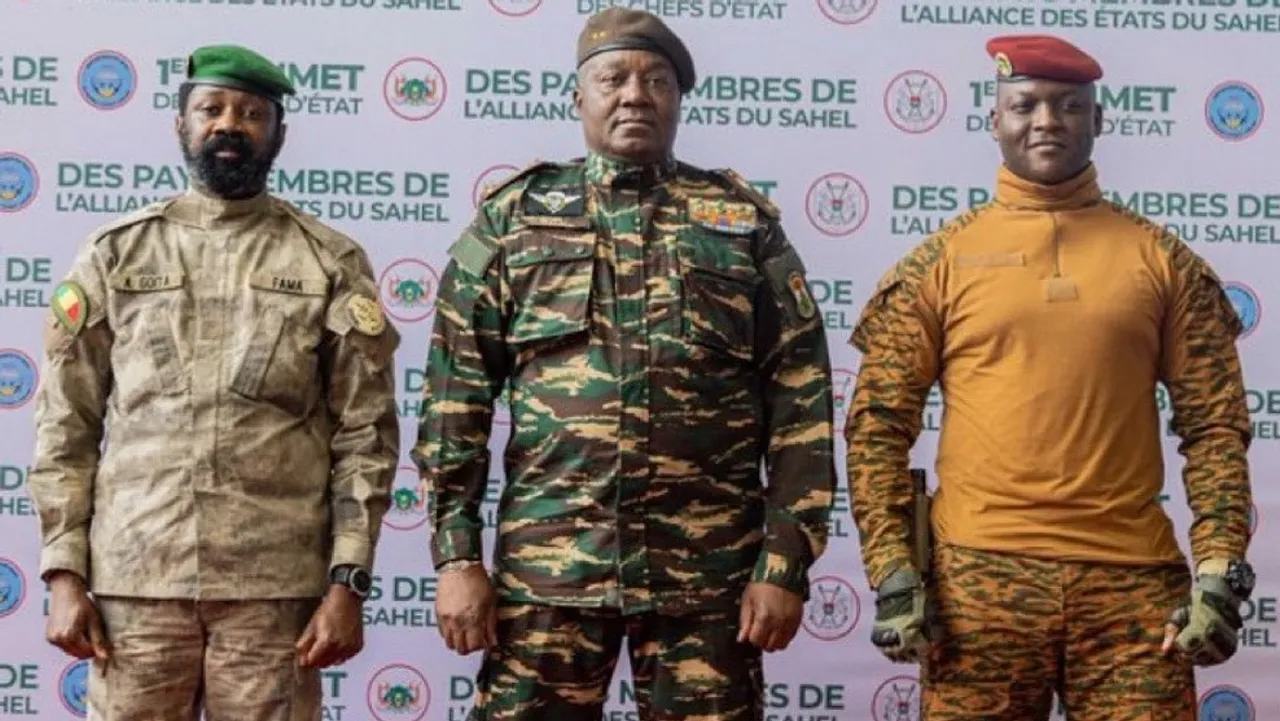
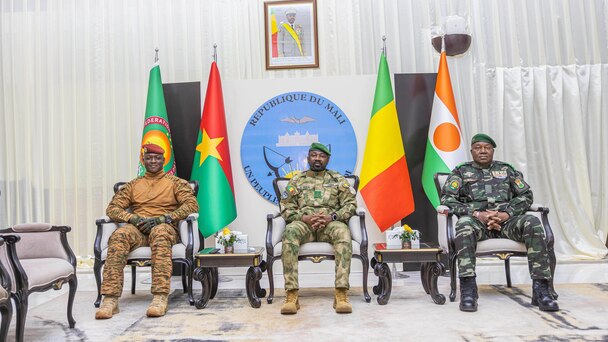
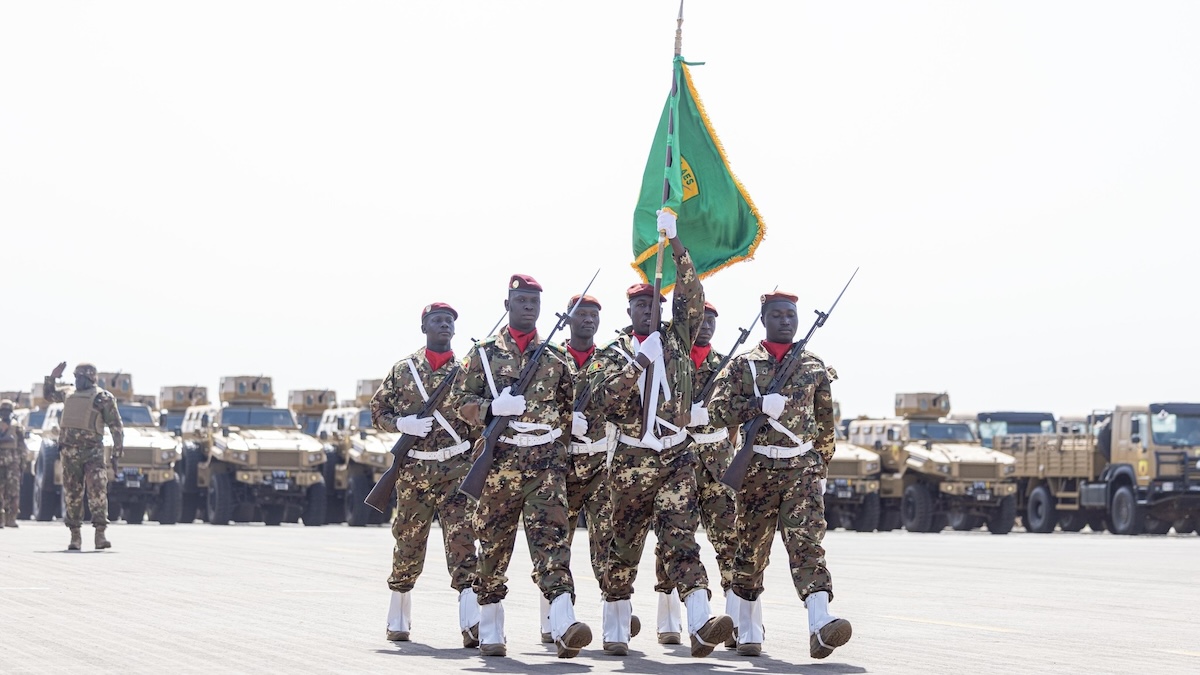
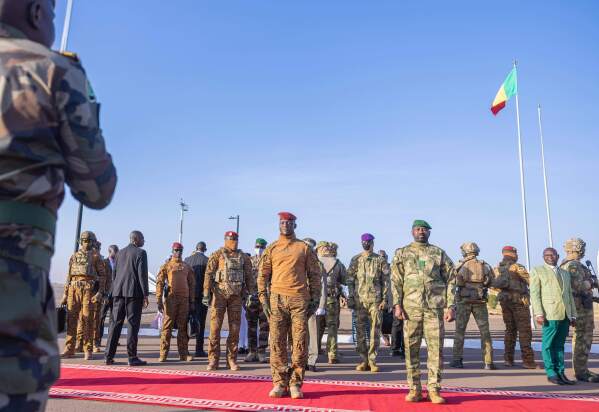
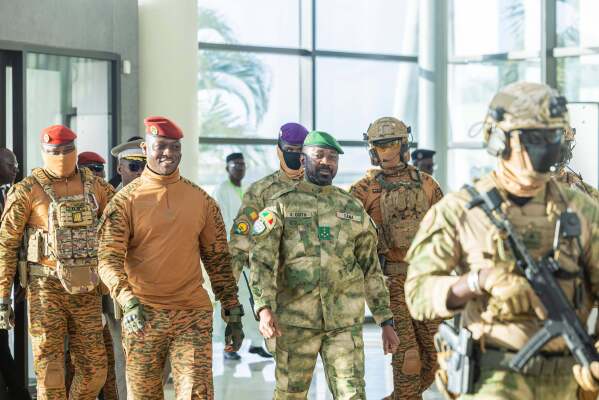
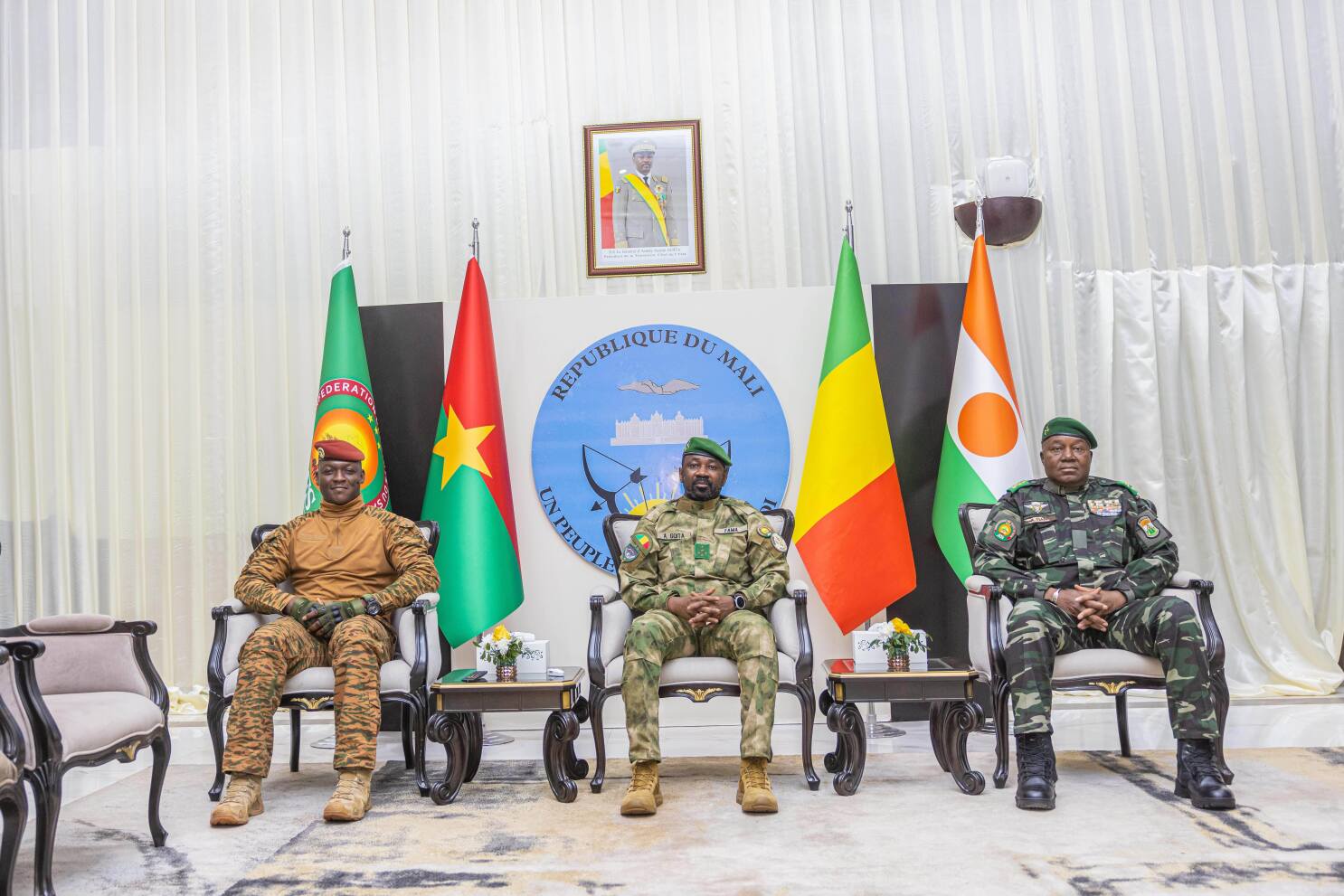
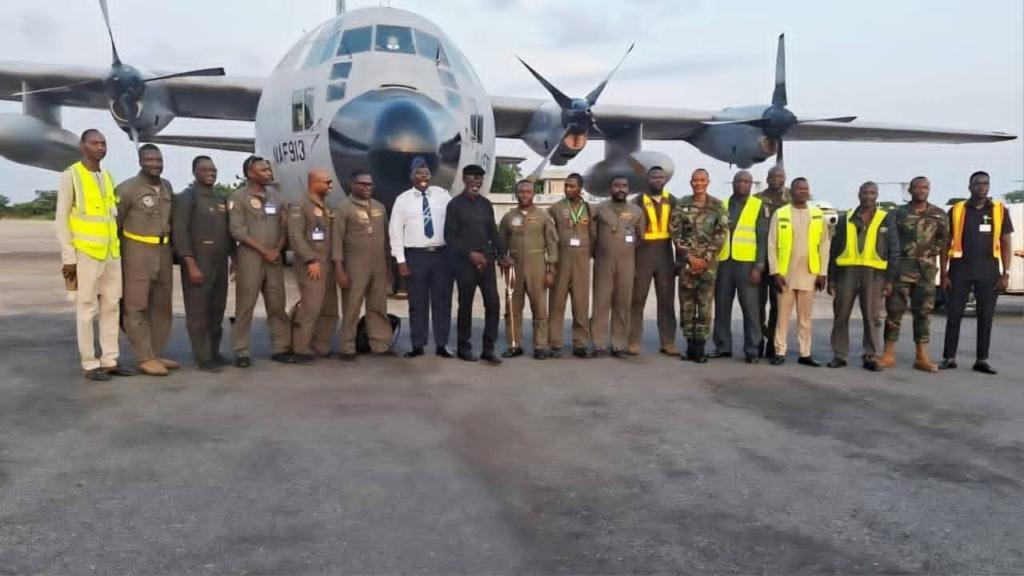
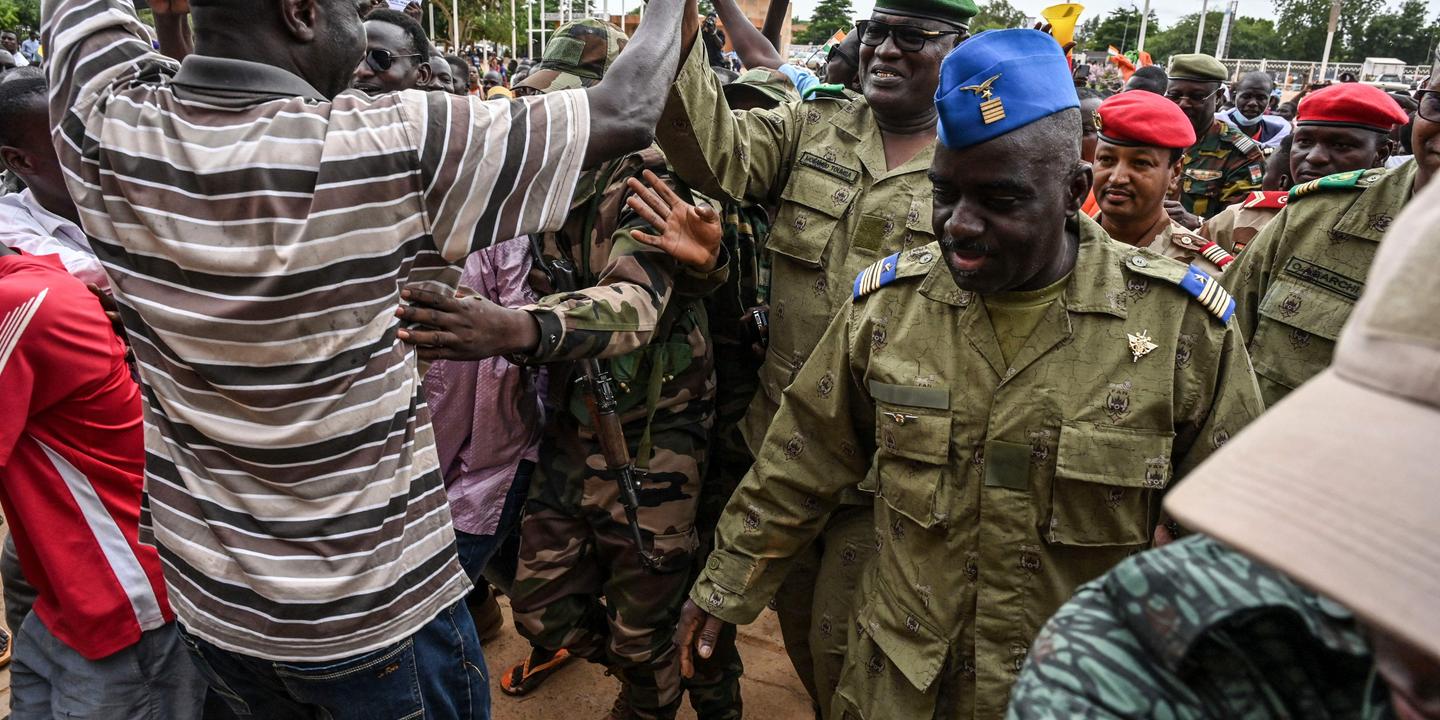
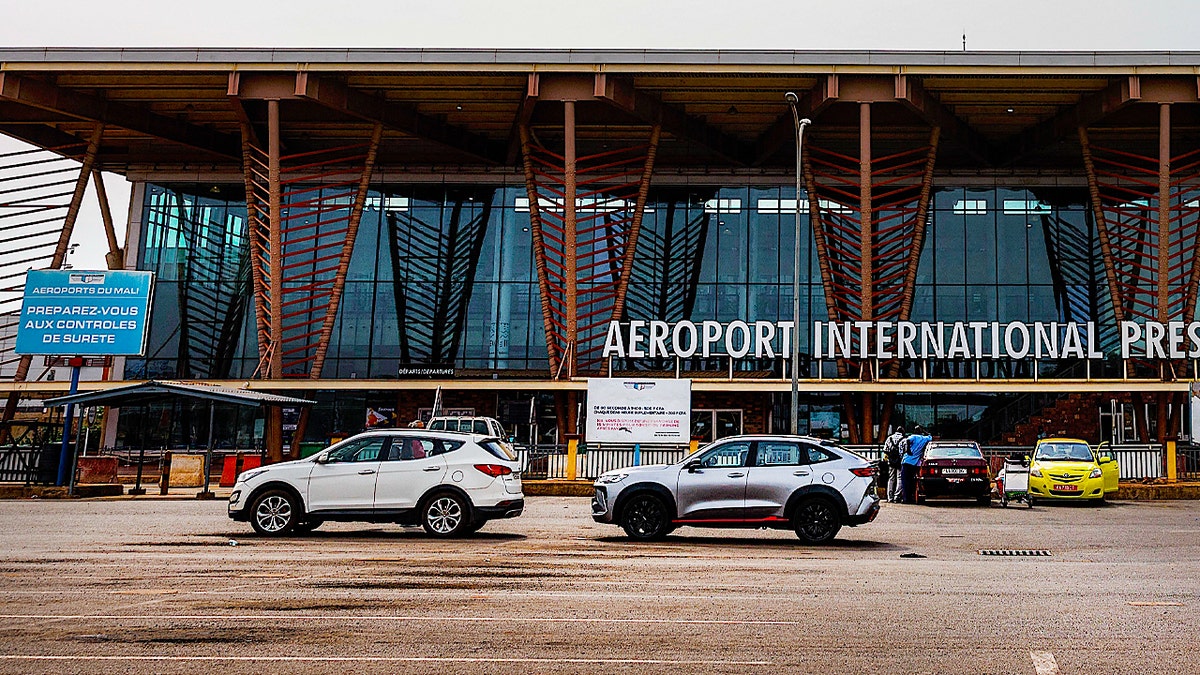
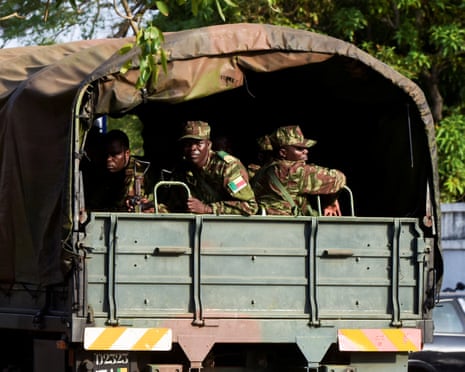
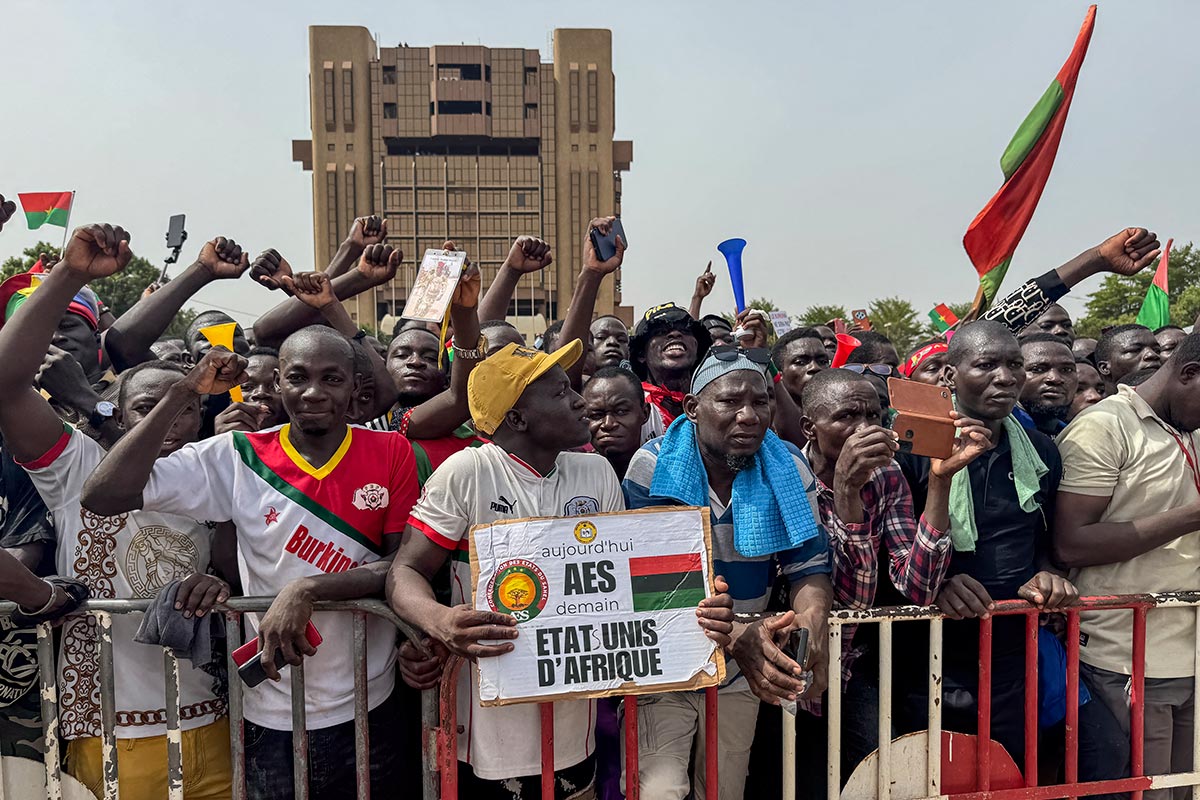
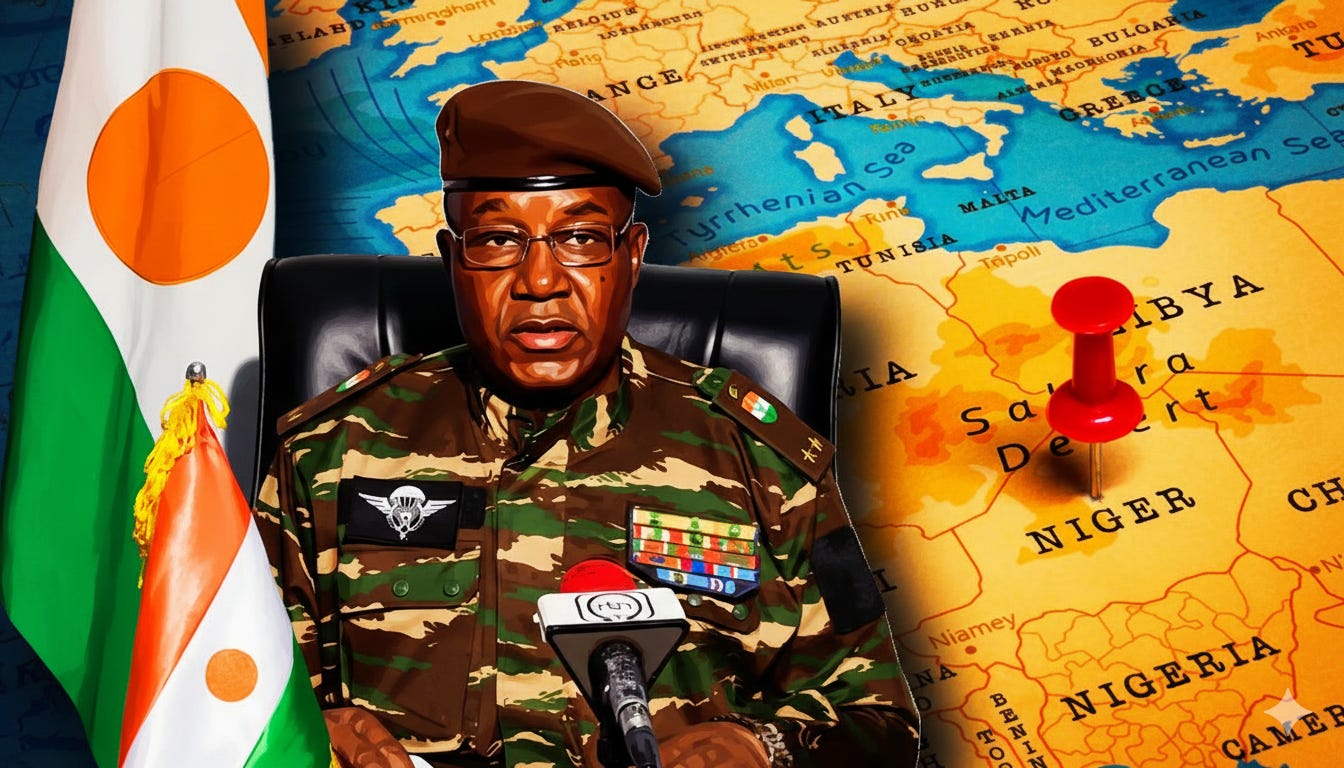
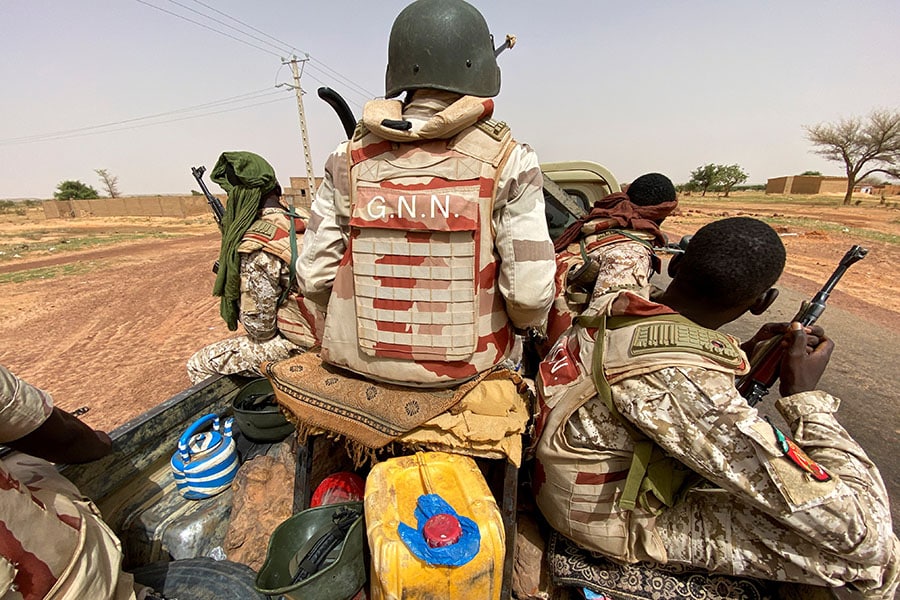
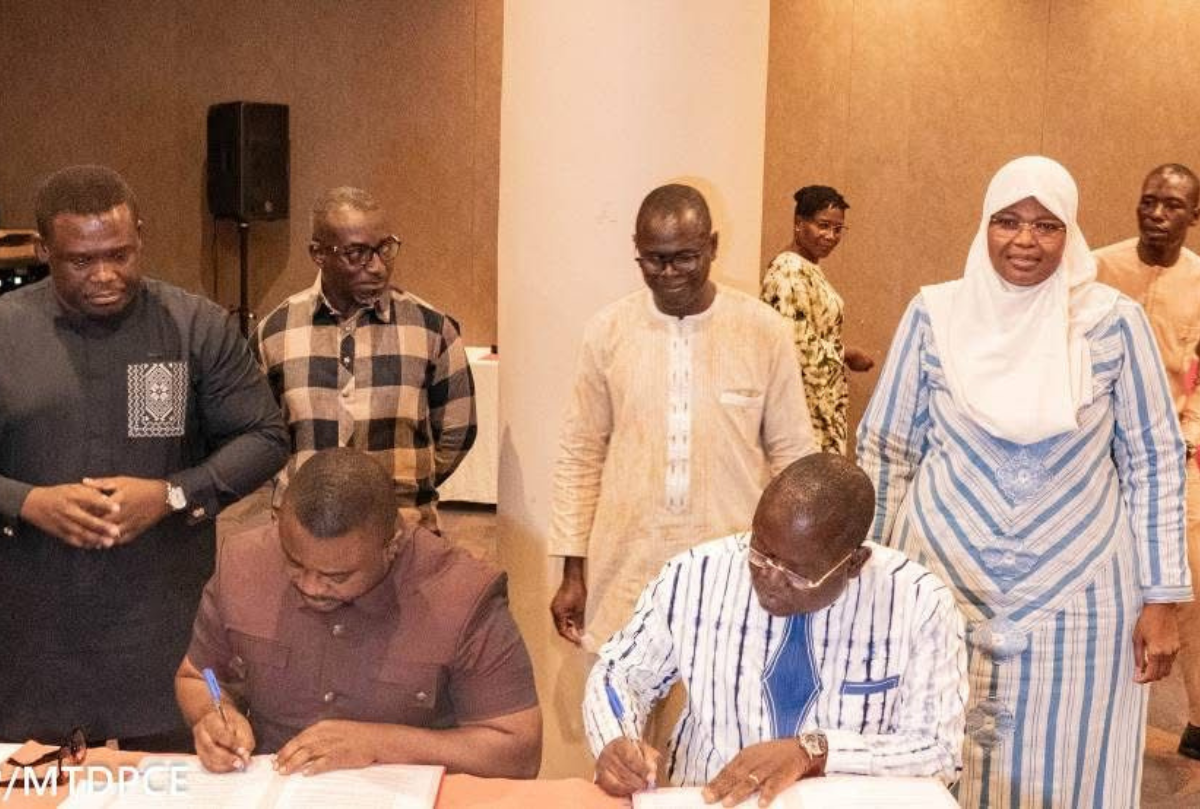
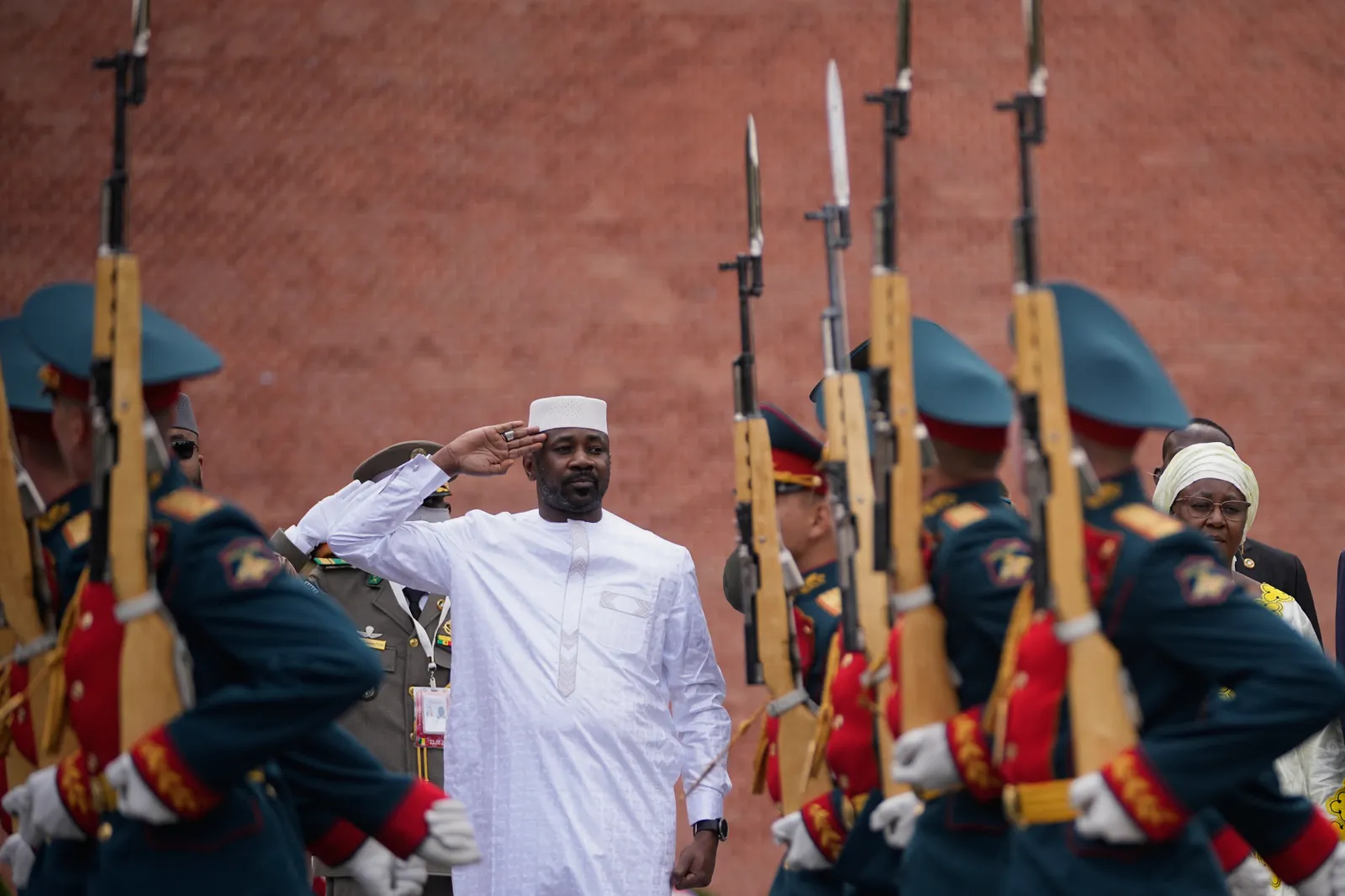
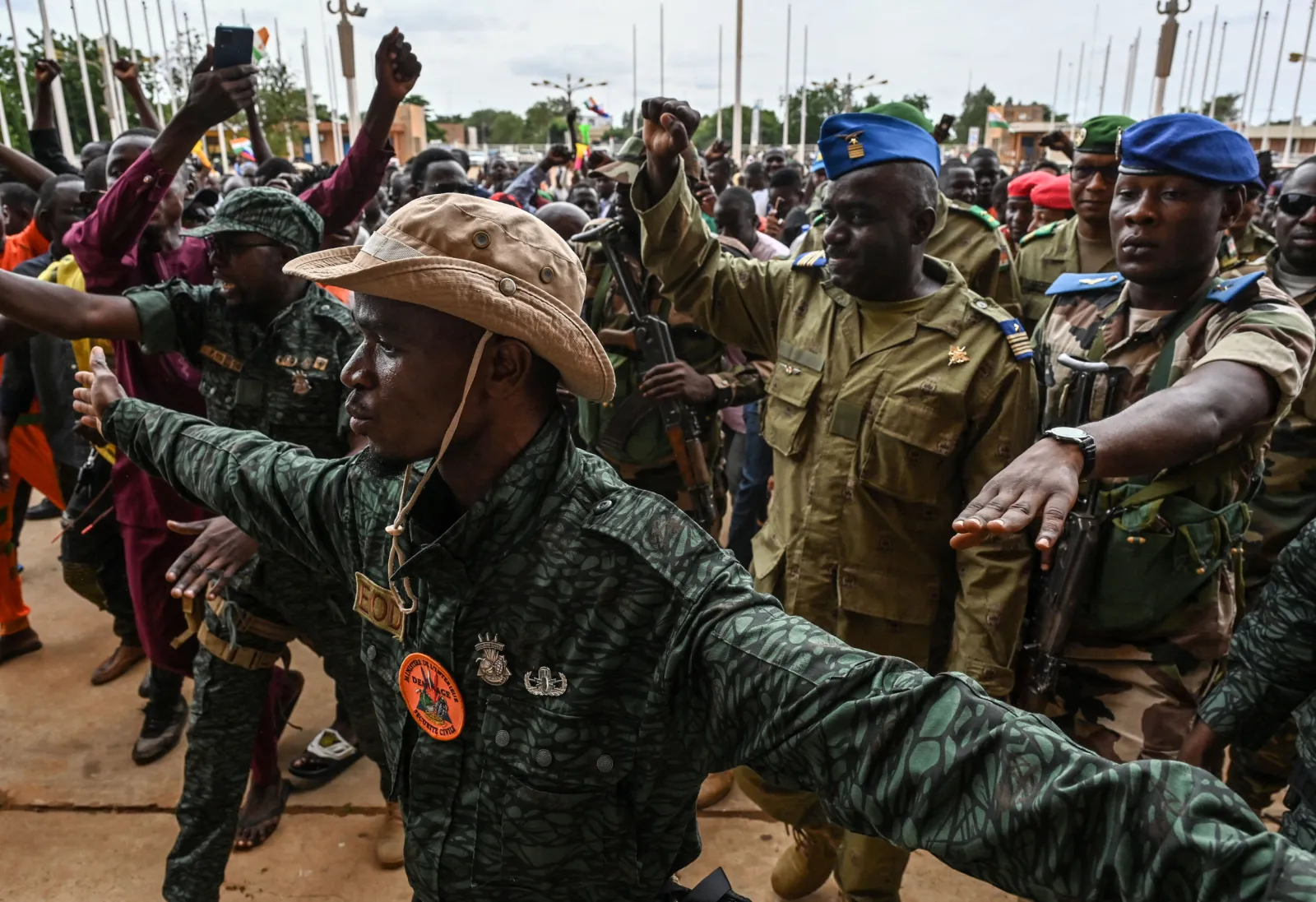
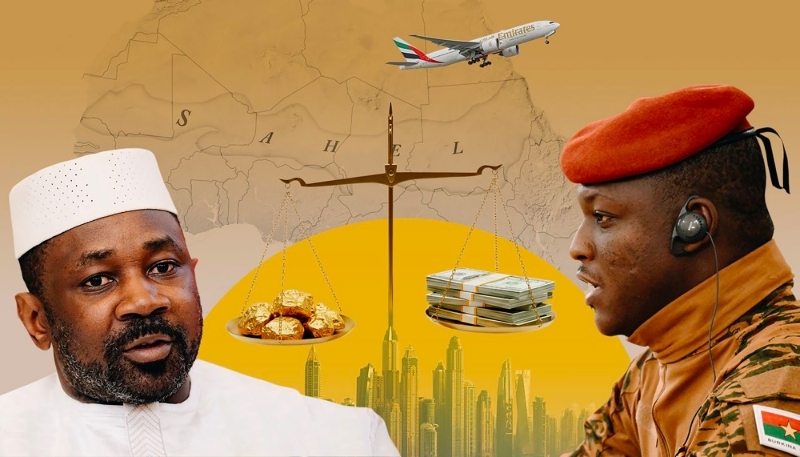
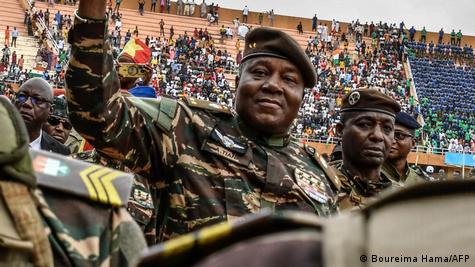
In response, Sahel nations are forging new paths to reclaim stability. A major step? The Alliance of Sahel States (AES), formed in September 2023 by Mali, Burkina Faso, and Niger. This alliance signals a decisive break, as these countries withdrew from the Economic Community of West African States (ECOWAS) to create a security framework tailored to their unique threats. The AES aims to boost military coordination, intelligence sharing, and regional cooperation against jihadist forces, marking a pragmatic and necessary reconfiguration of power. This security pivot isn’t happening in isolation. Efforts are also underway to revive economic infrastructure shattered by the conflict. Consider the eagerly awaited Mali Airlines’ comeback in 2026. This revival promises to enhance air travel across West Africa and the Sahel, hopefully stimulating tourism, facilitating trade, and strengthening regional integration. These new routes aren’t just about business, they’re powerful symbols of resilience and recovery in an otherwise unstable environment.
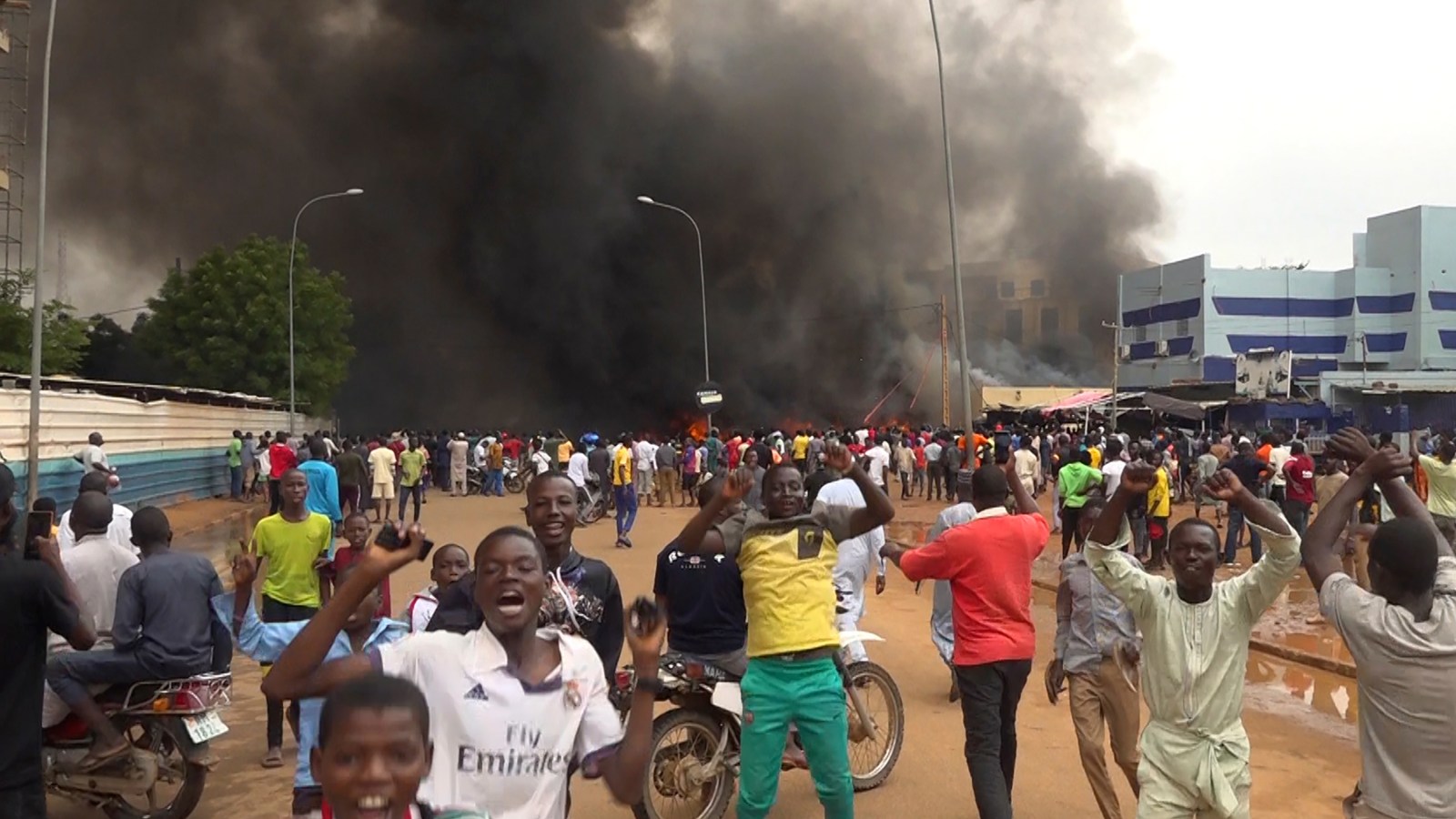
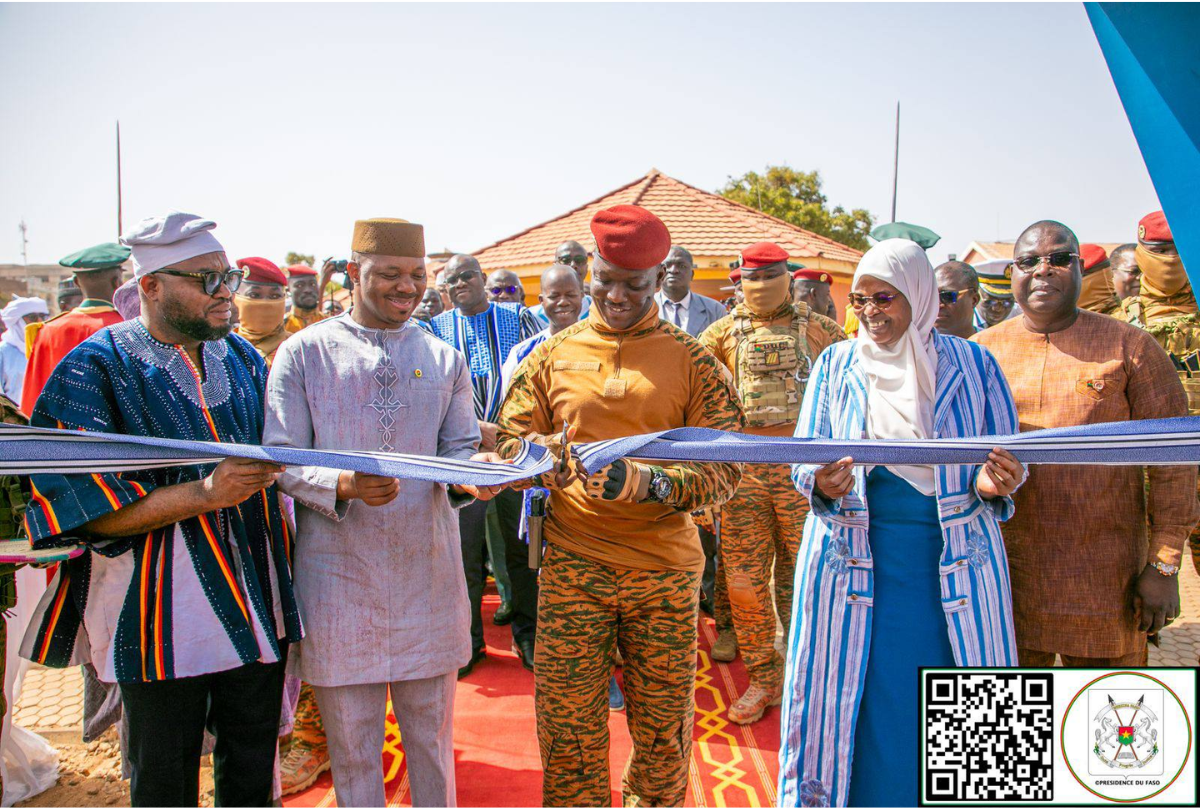
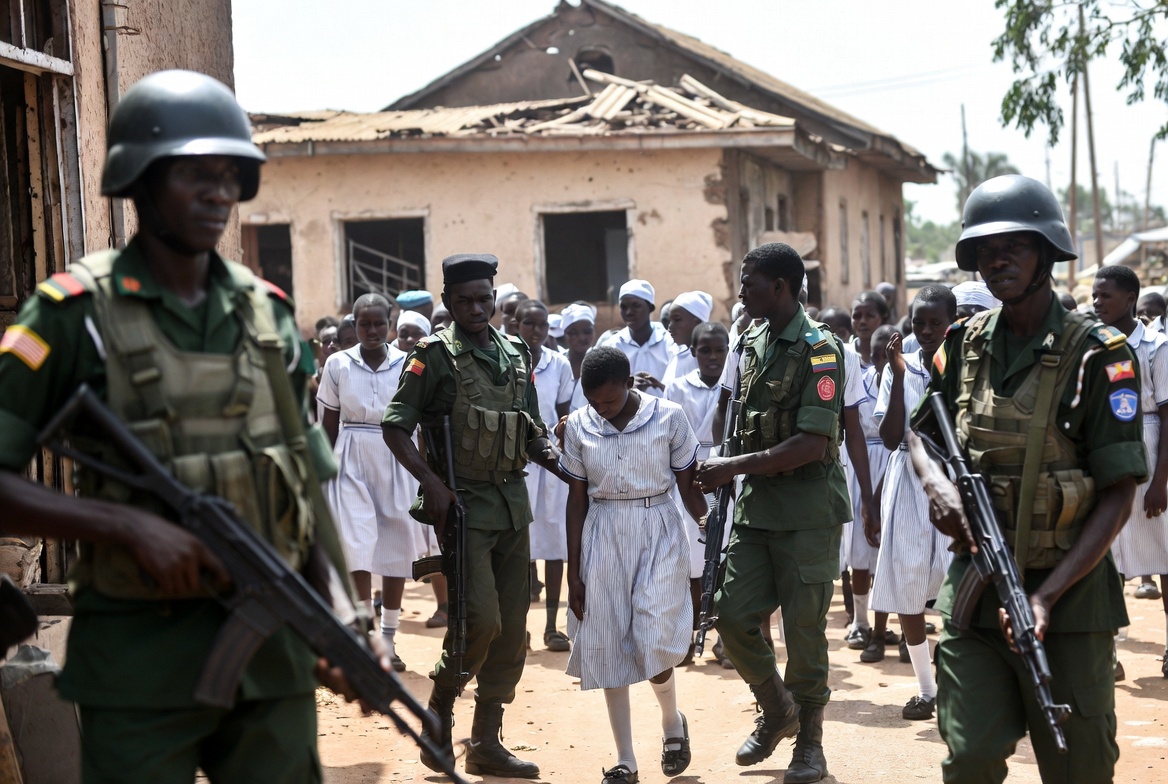
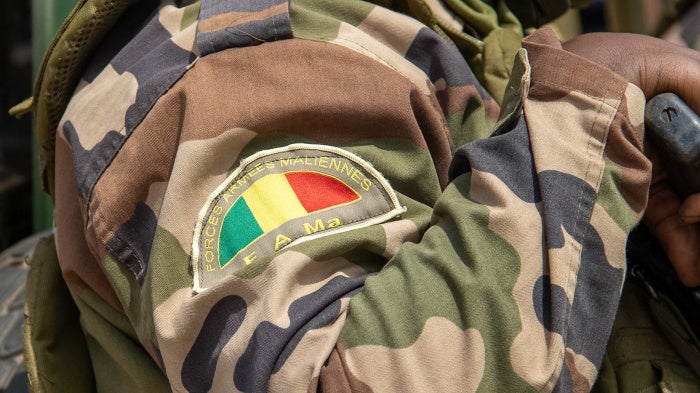
Despite these hopeful developments, immense challenges persist. Jihadist groups still operate with alarming impunity in many areas, and distrust towards national governments and their foreign military partners remains widespread. We’ve seen how foreign mercenaries and private military companies further complicate the picture; past attempts at stability often faced allegations of human rights abuses and political dissatisfaction. So, while the AES and economic revitalizations offer a way forward, lasting peace requires tackling both immediate security threats and the deep-seated social and governance issues that extremists exploit. Where do we go from here? The Sahel stands at a critical juncture. The ongoing humanitarian emergency needs urgent international support, with a coordinated response prioritizing protection and aid for displaced populations. Meanwhile, the strategic shifts by the AES and infrastructure projects like Mali Airlines’ return show a clear determination among Sahel states to take back control and foster regional solidarity. Success will demand inclusive governance, effective security reforms, and sustained economic investment. As these nations navigate this uncertain terrain, their ability to unite could redefine West Africa’s future, potentially transforming a region long plagued by conflict into a beacon of collaboration and resilience. The Sahel security crisis is worsening, demanding collective action. Burkina Faso faces significant leadership and security challenges, mirroring the broader regional instability. Similarly, Mali continues to grapple with a growing jihadist threat, underscoring the urgency of these regional efforts.