
The Pulse of West Africa: Conflict, Commerce, and a Region in Flux
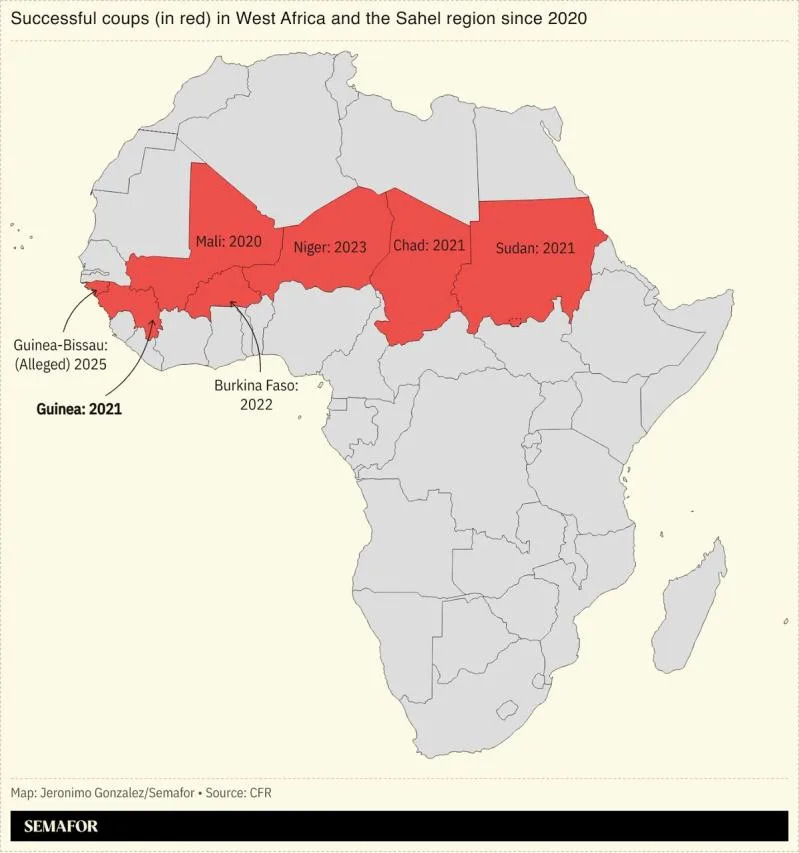
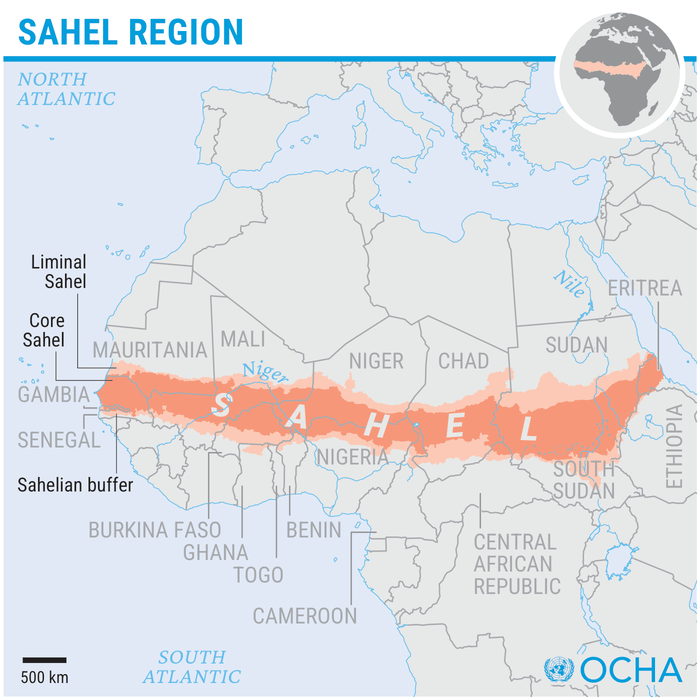
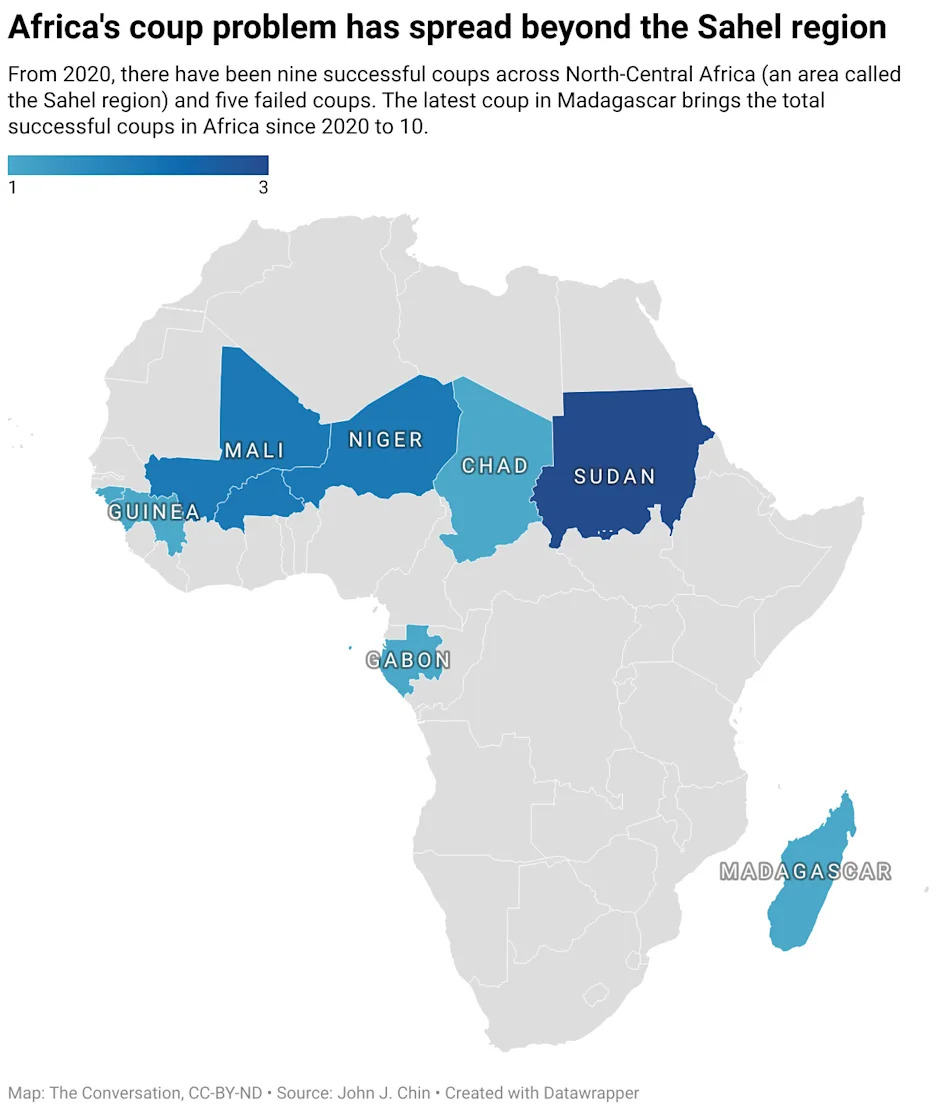
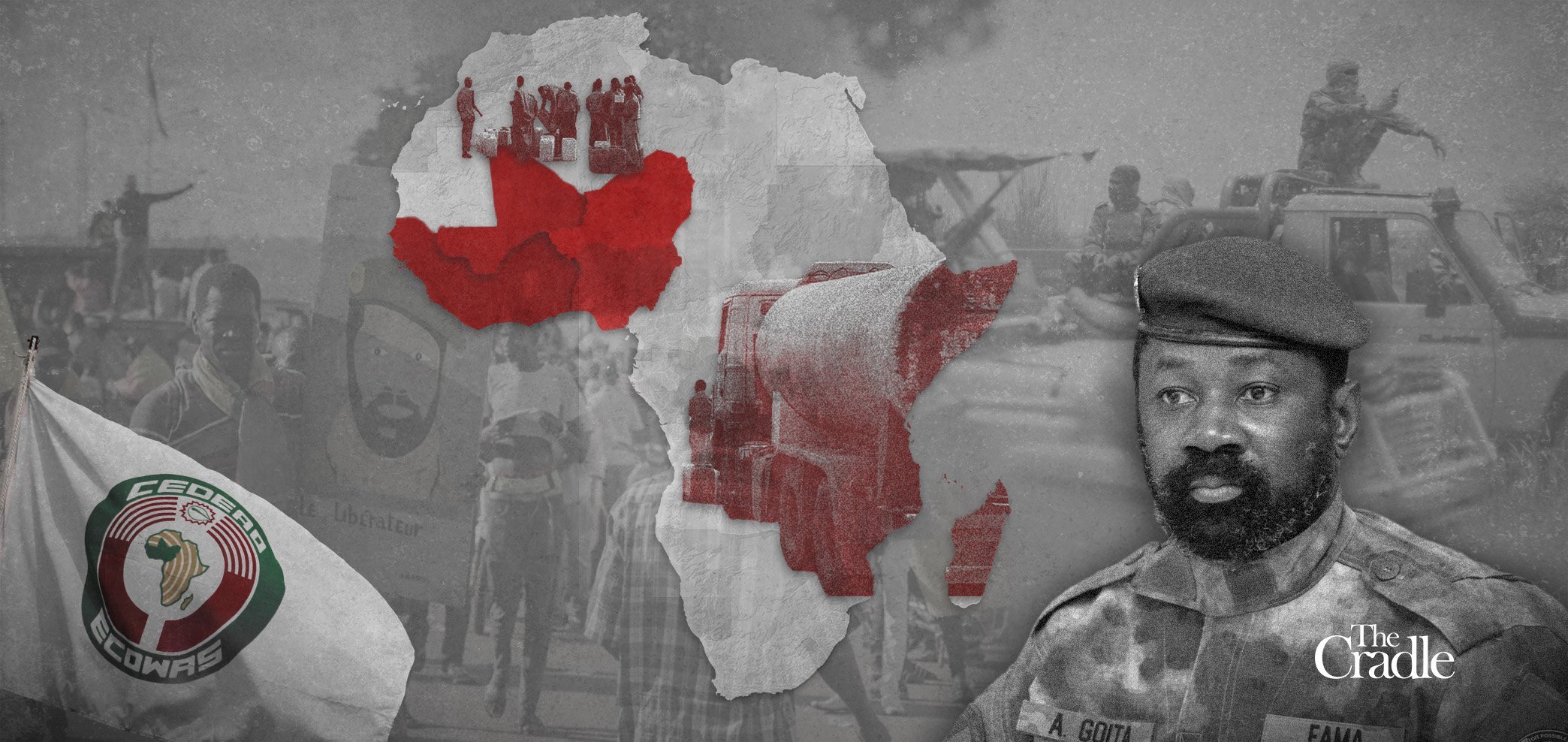
West Africa is a region alive with change, experiencing profound shifts across its social and economic landscape. From the conflict-riddled Sahel to vibrant coastal cities and global markets, challenges and opportunities intertwine. At the heart of it all? The deepening conflict in the Sahel, Niger’s bold move to reclaim its uranium trade, and regional efforts to boost agribusiness through African-Arab partnerships. These dynamics paint a vivid picture of a region in transition, grappling with security concerns while urgently seeking economic resilience and growth.
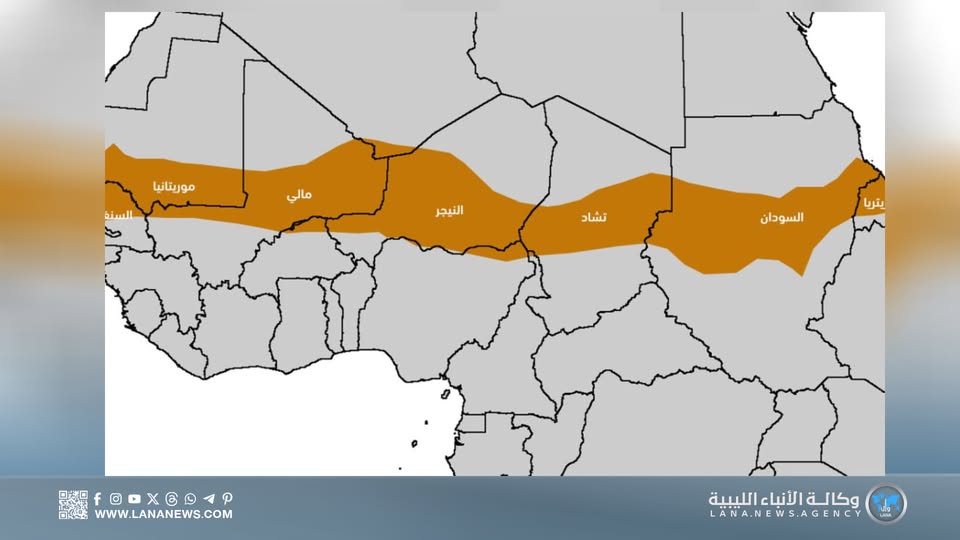
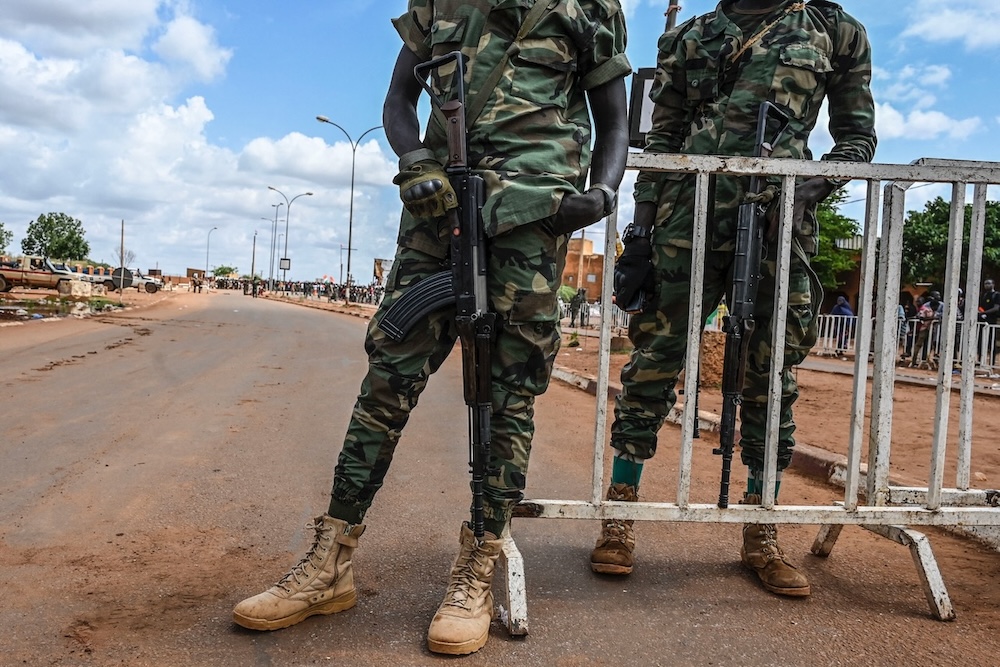
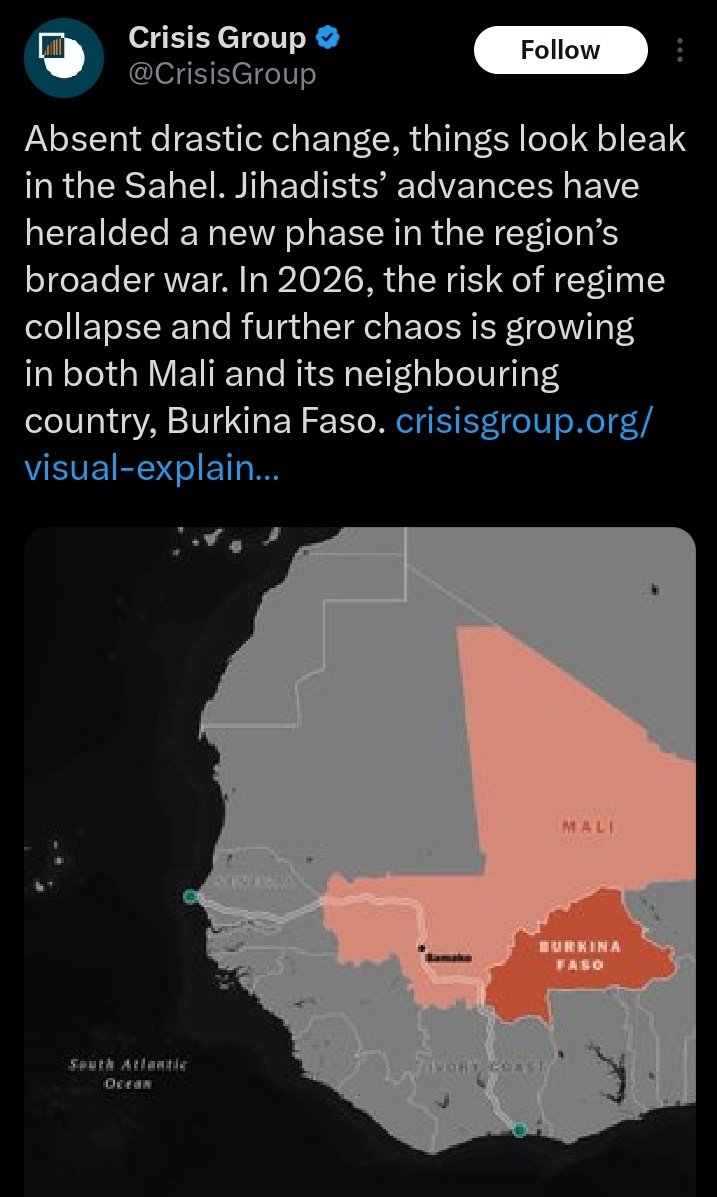
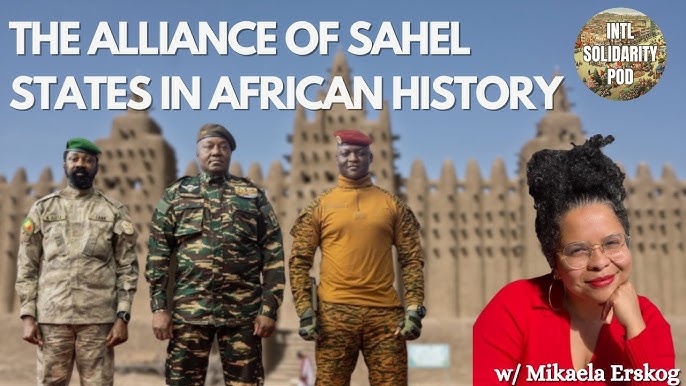
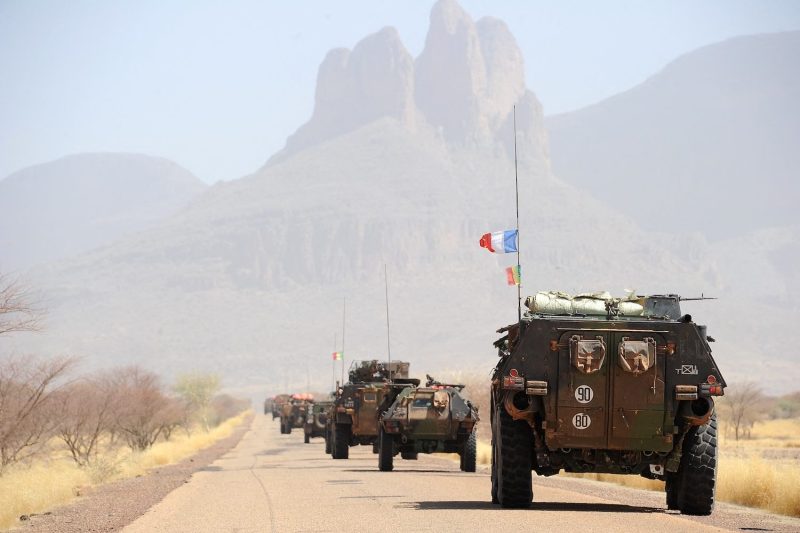
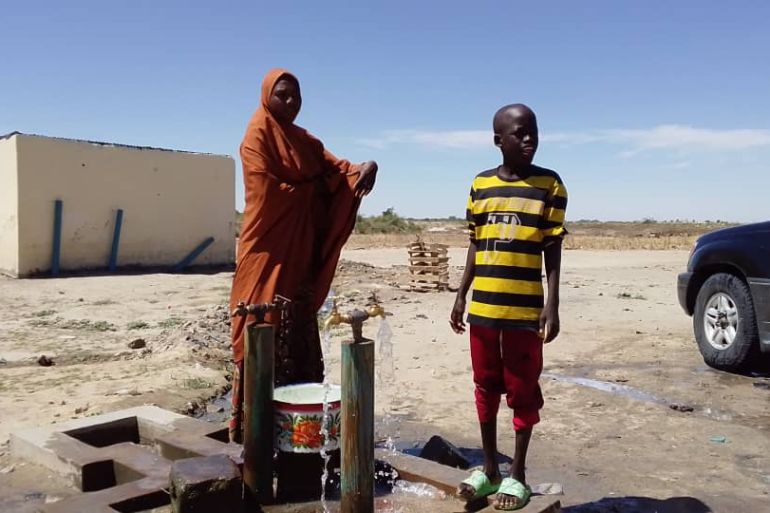
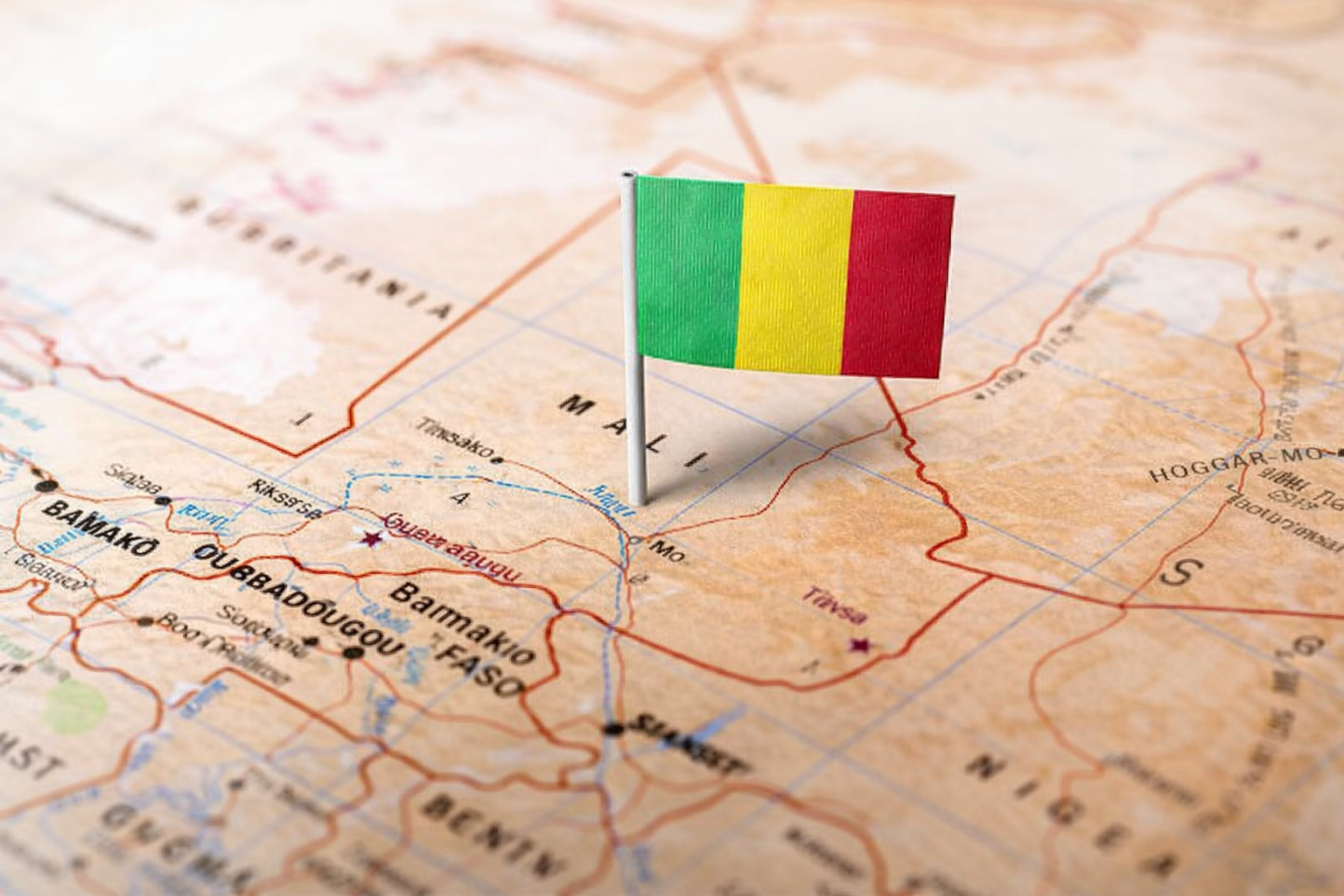
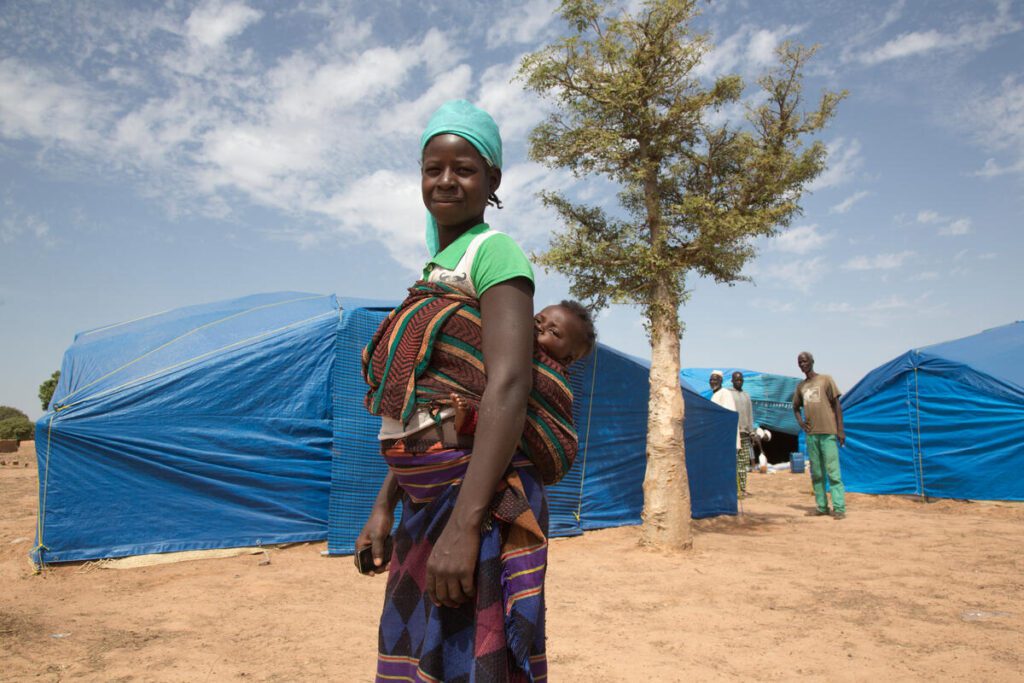
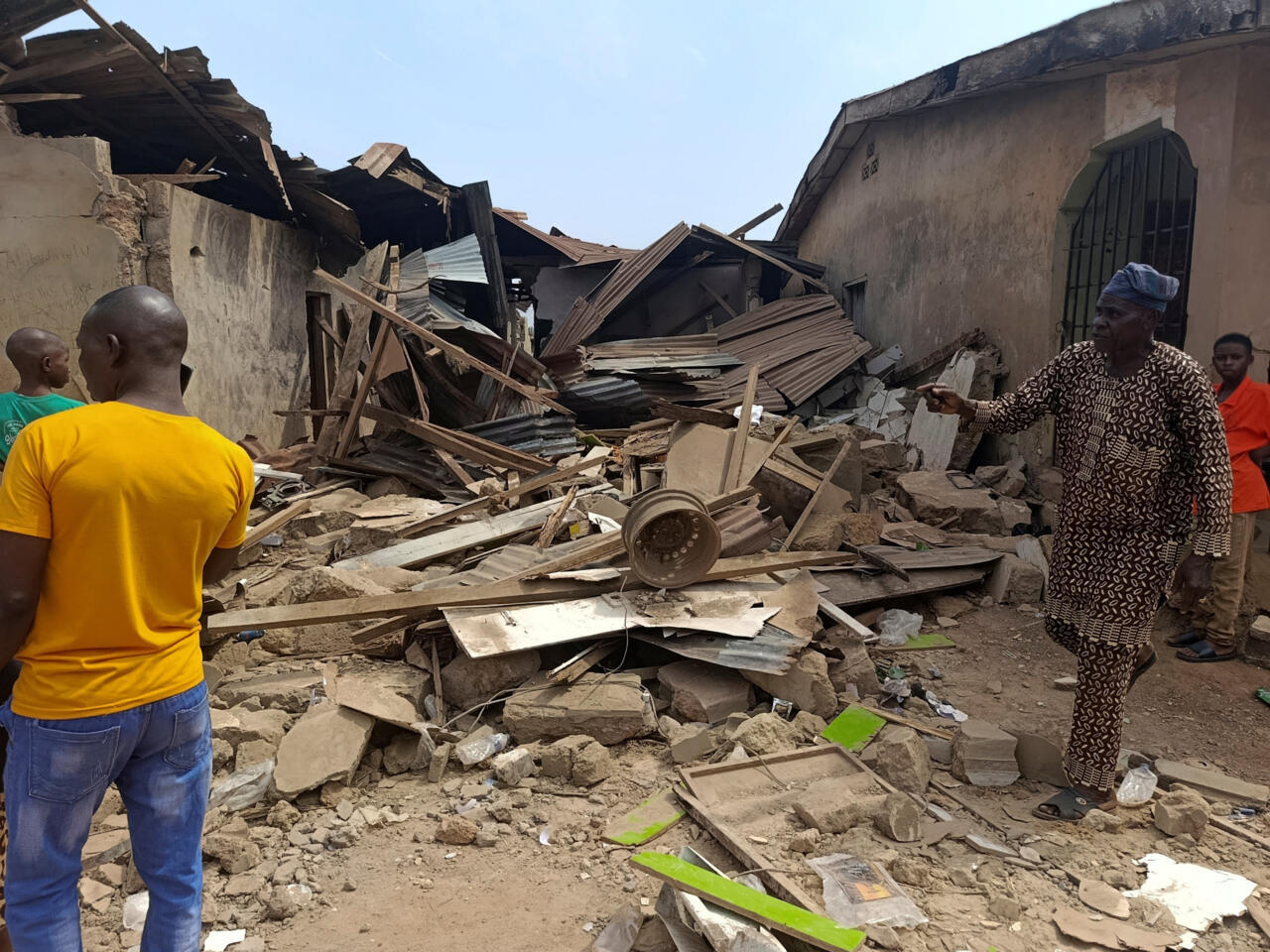
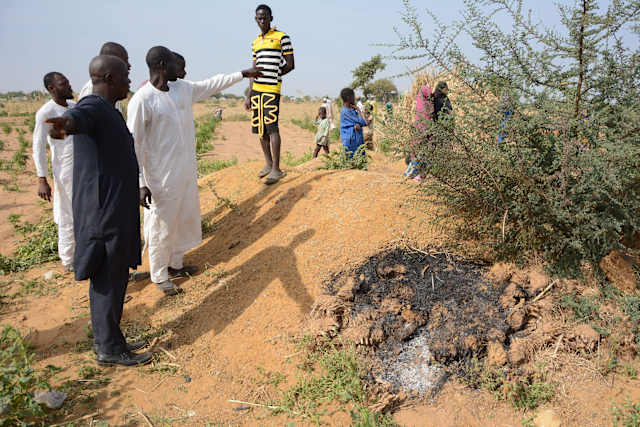
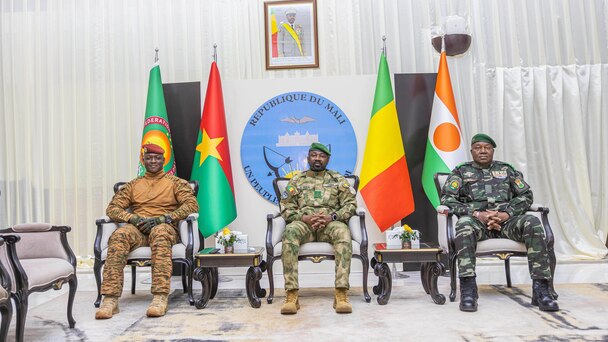
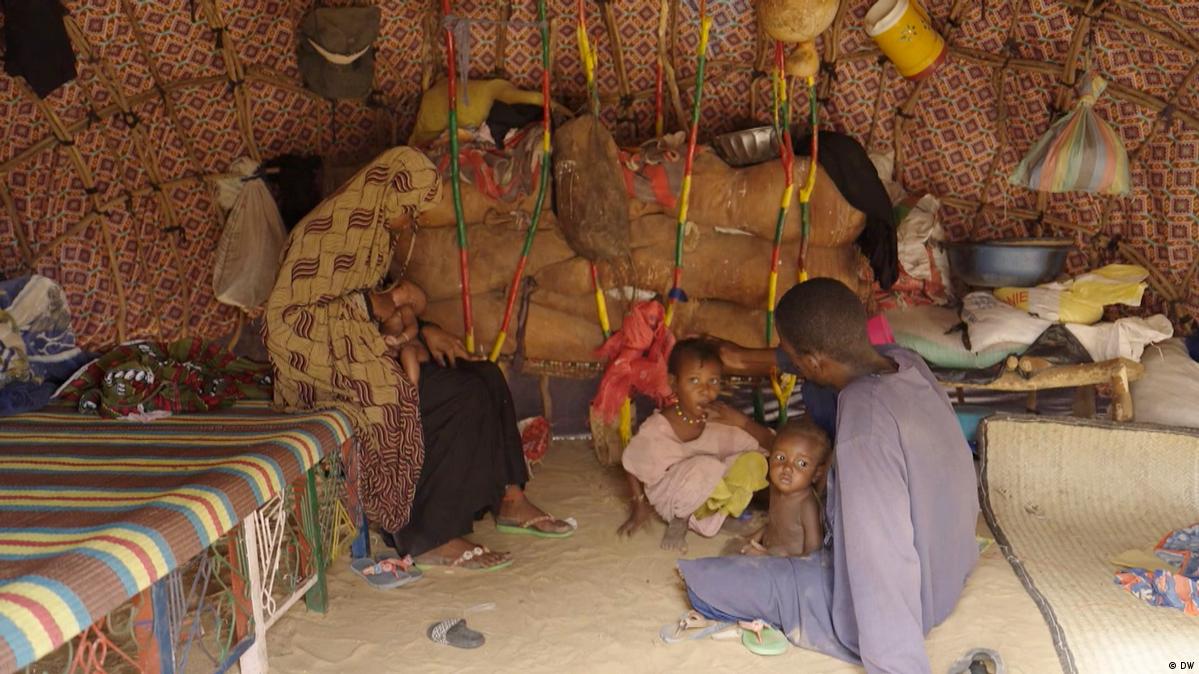
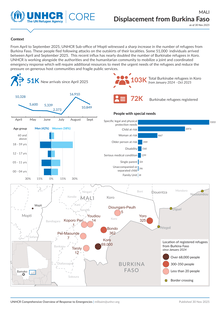
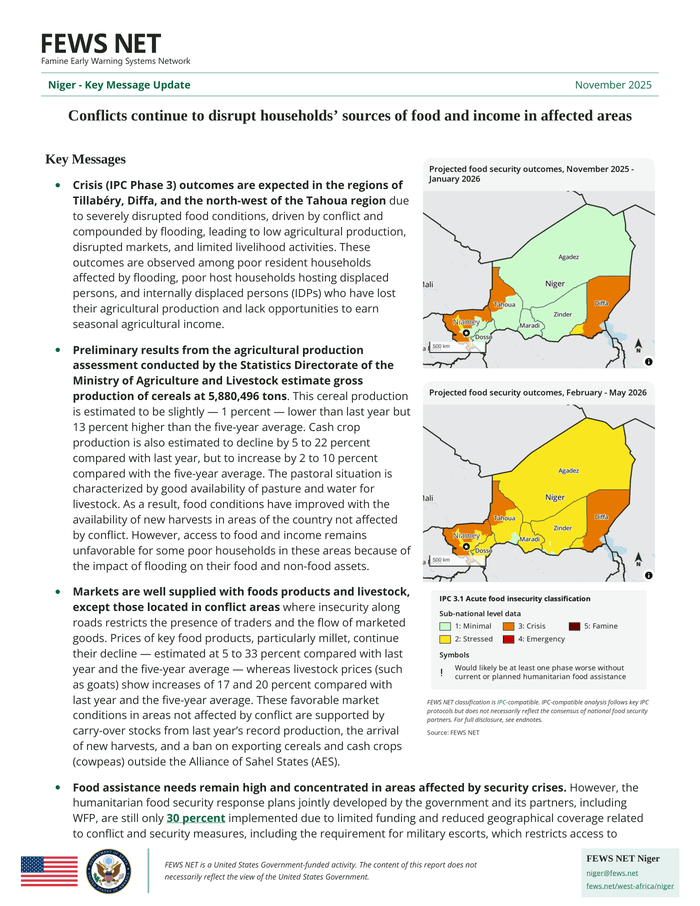
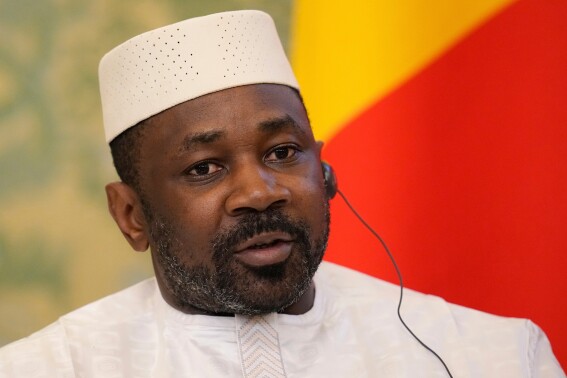
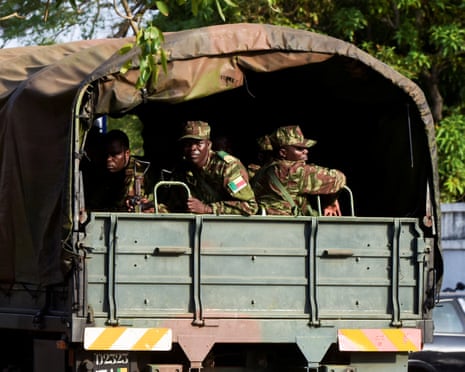
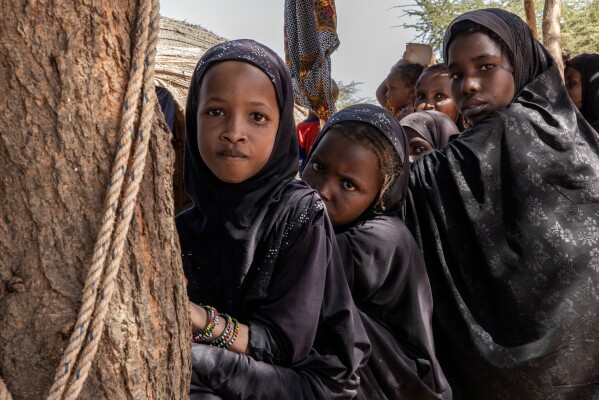
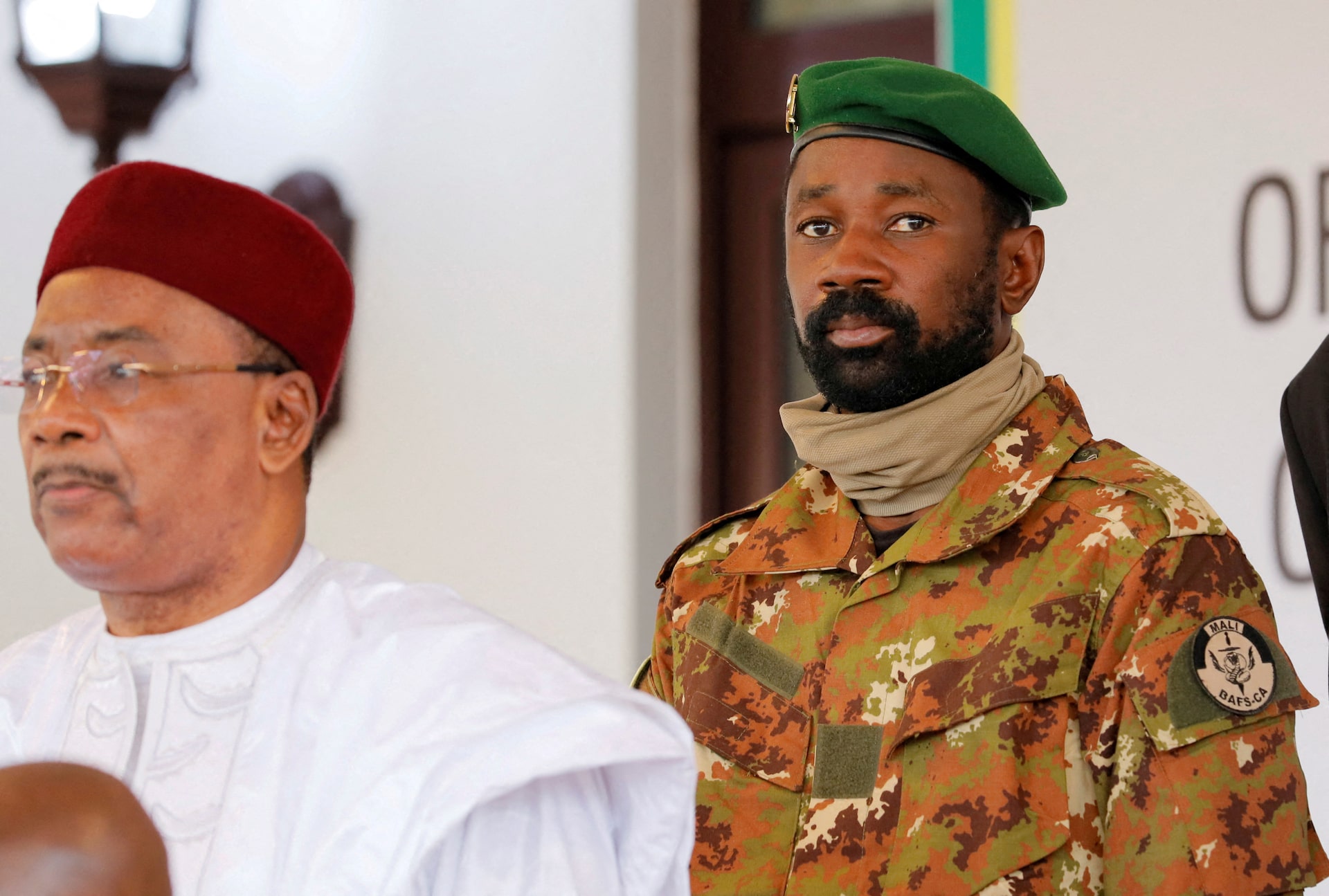
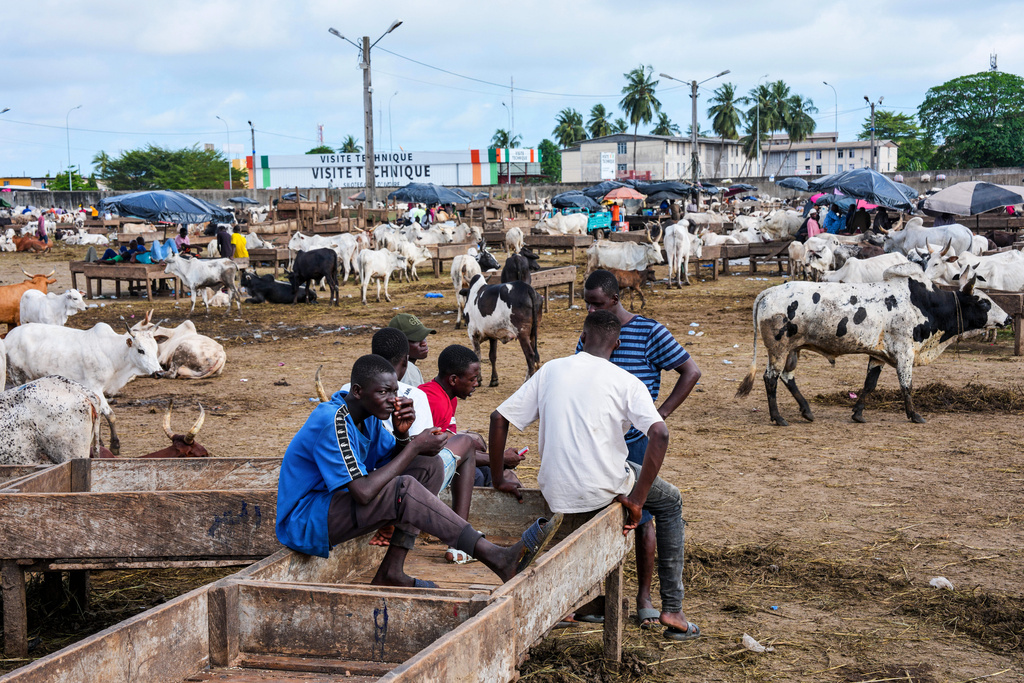
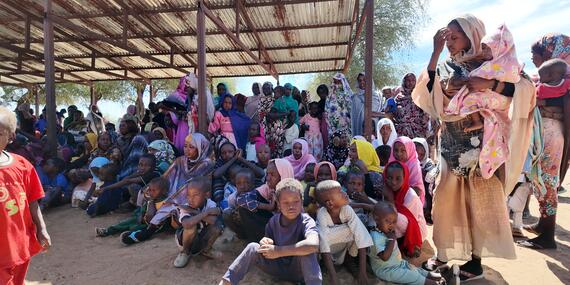
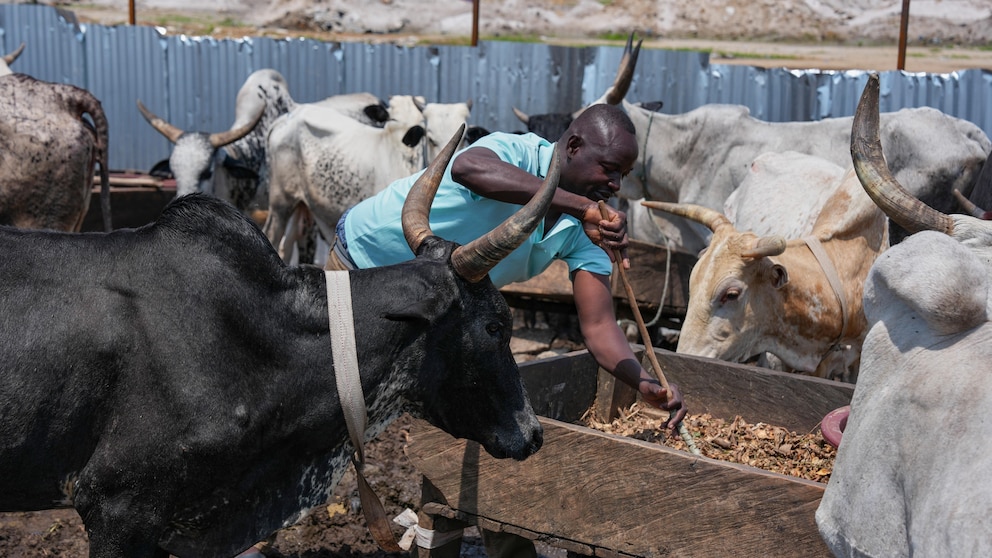
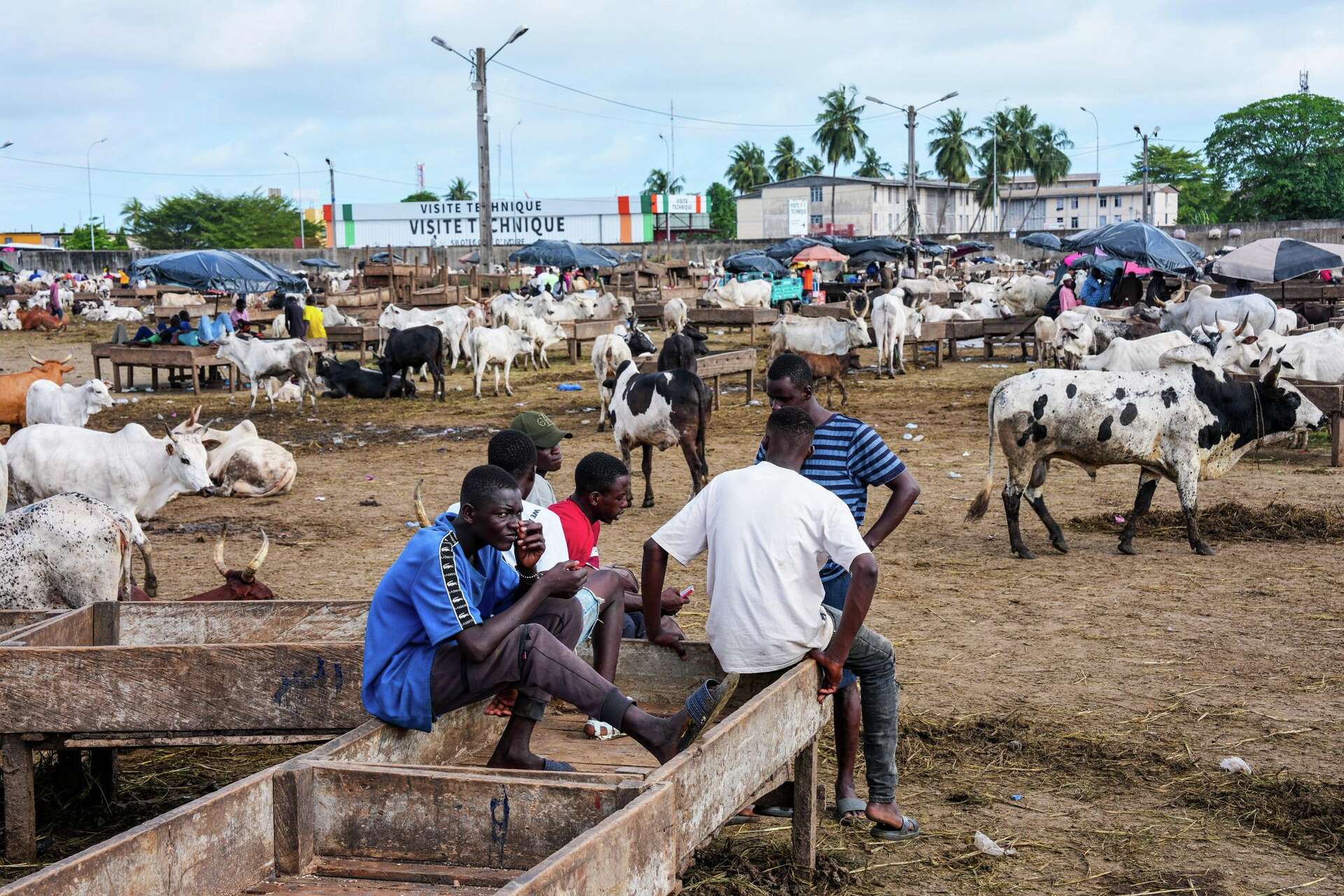
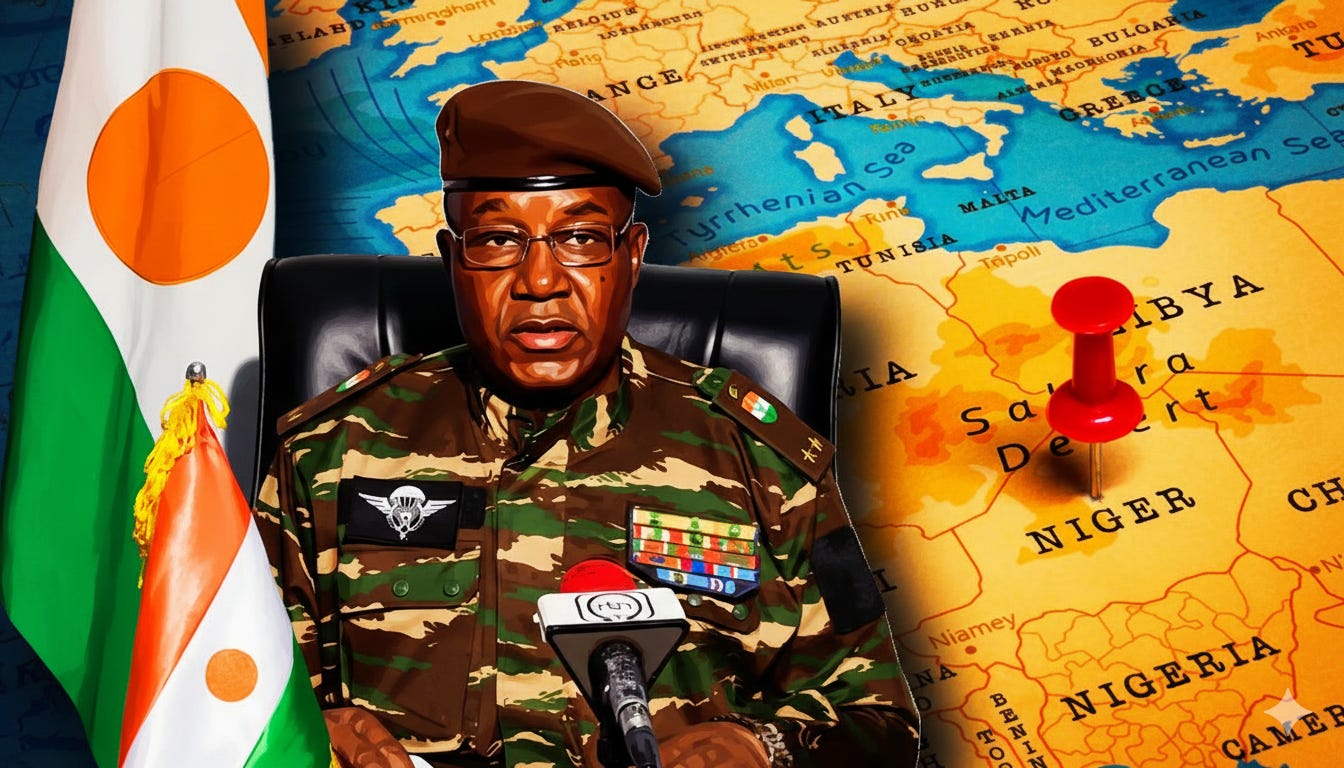
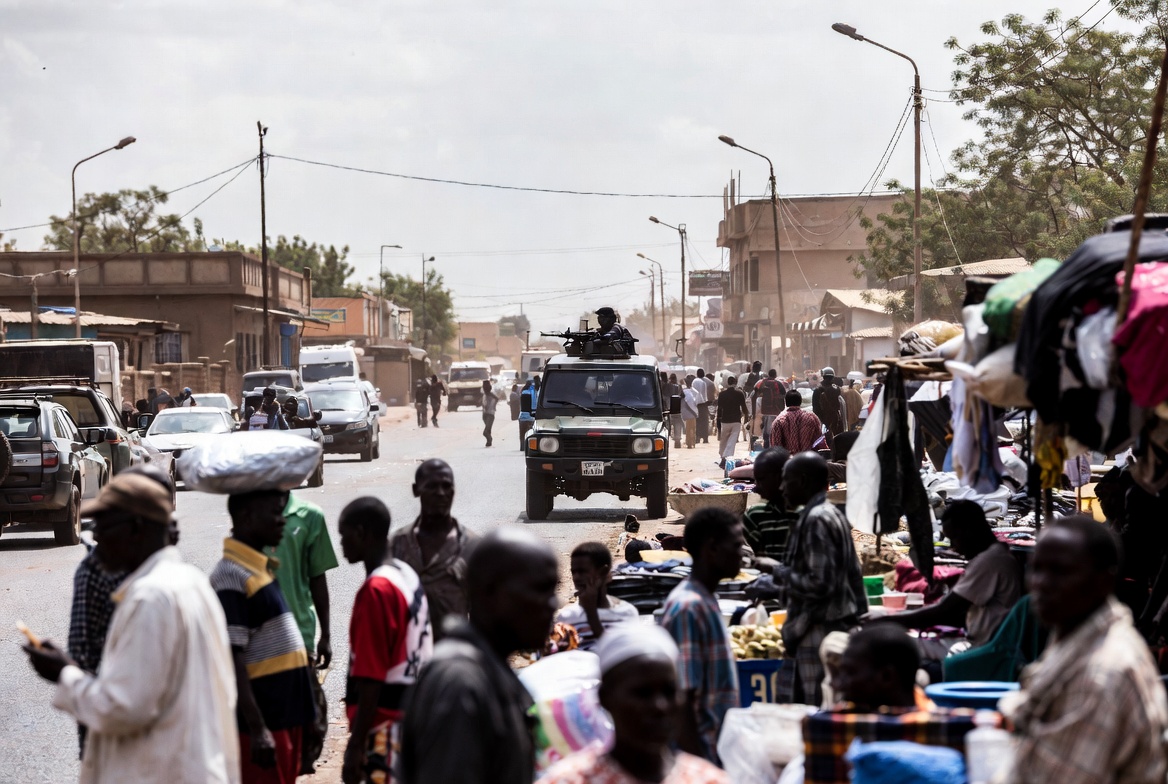
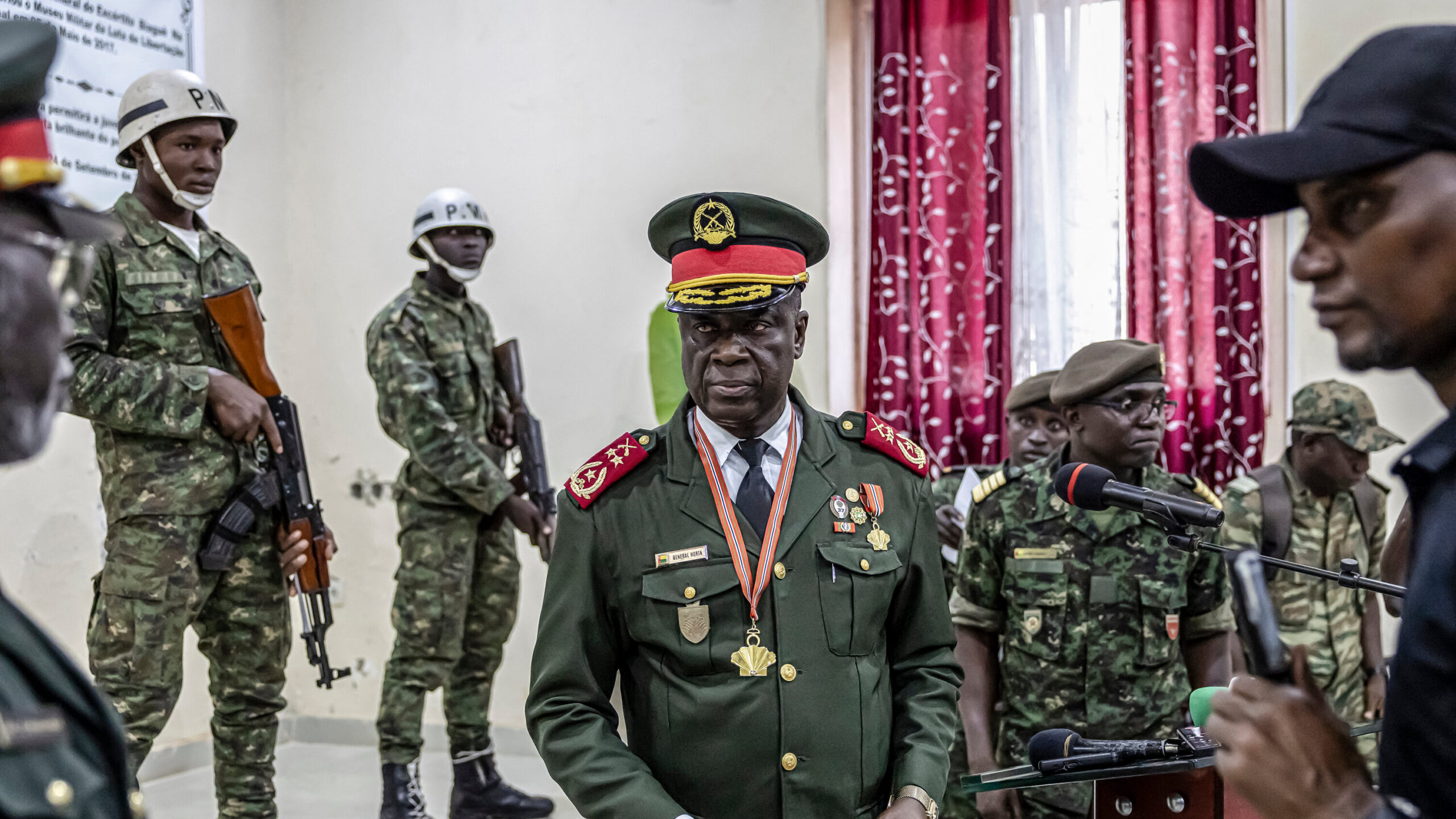
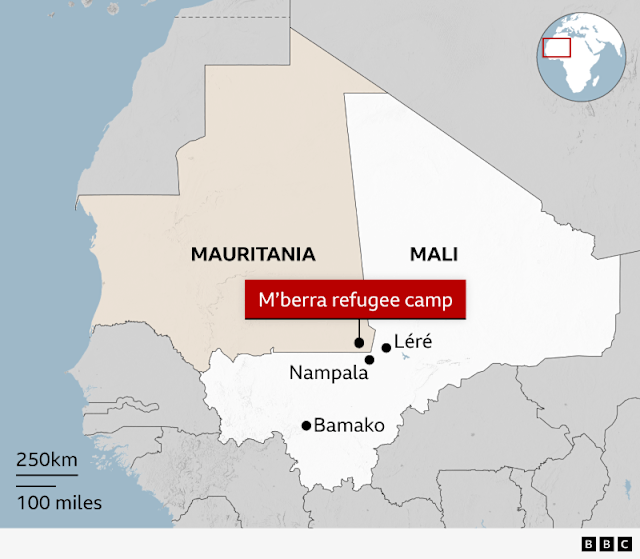
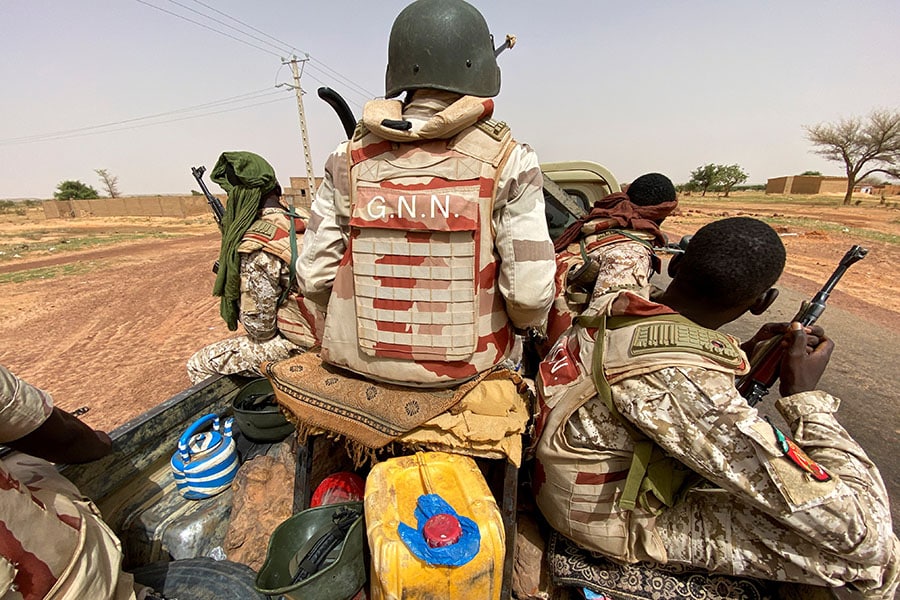
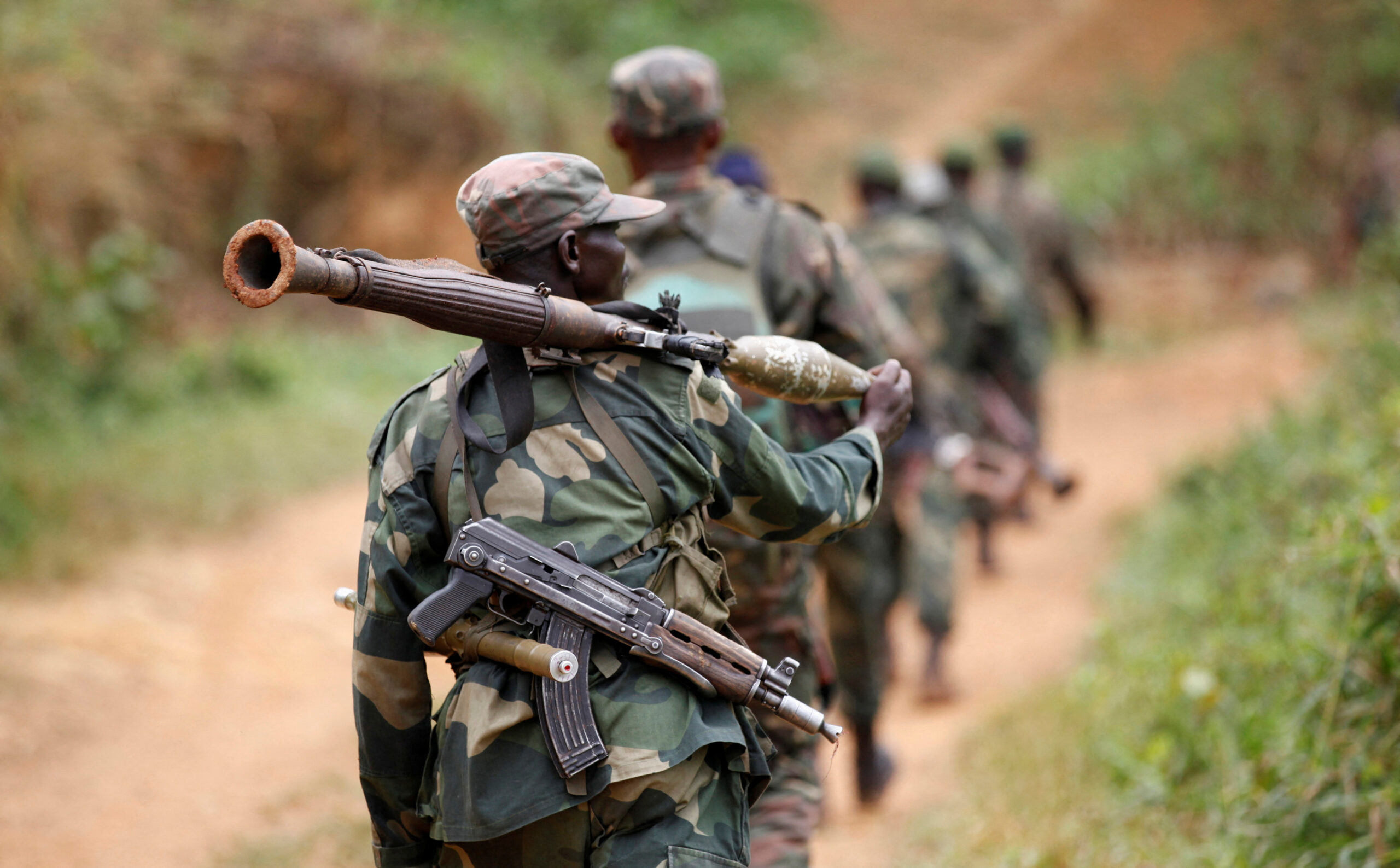
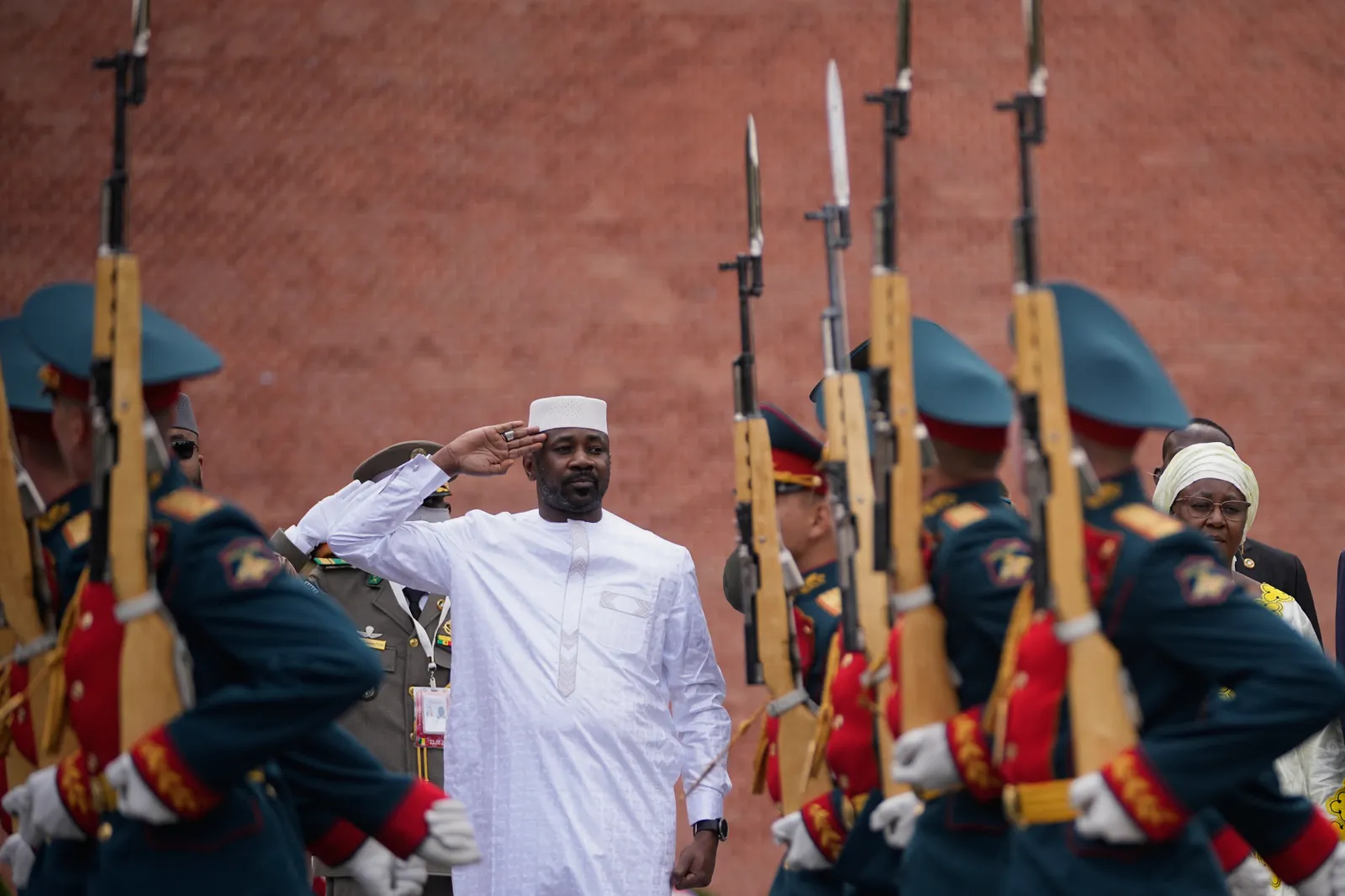
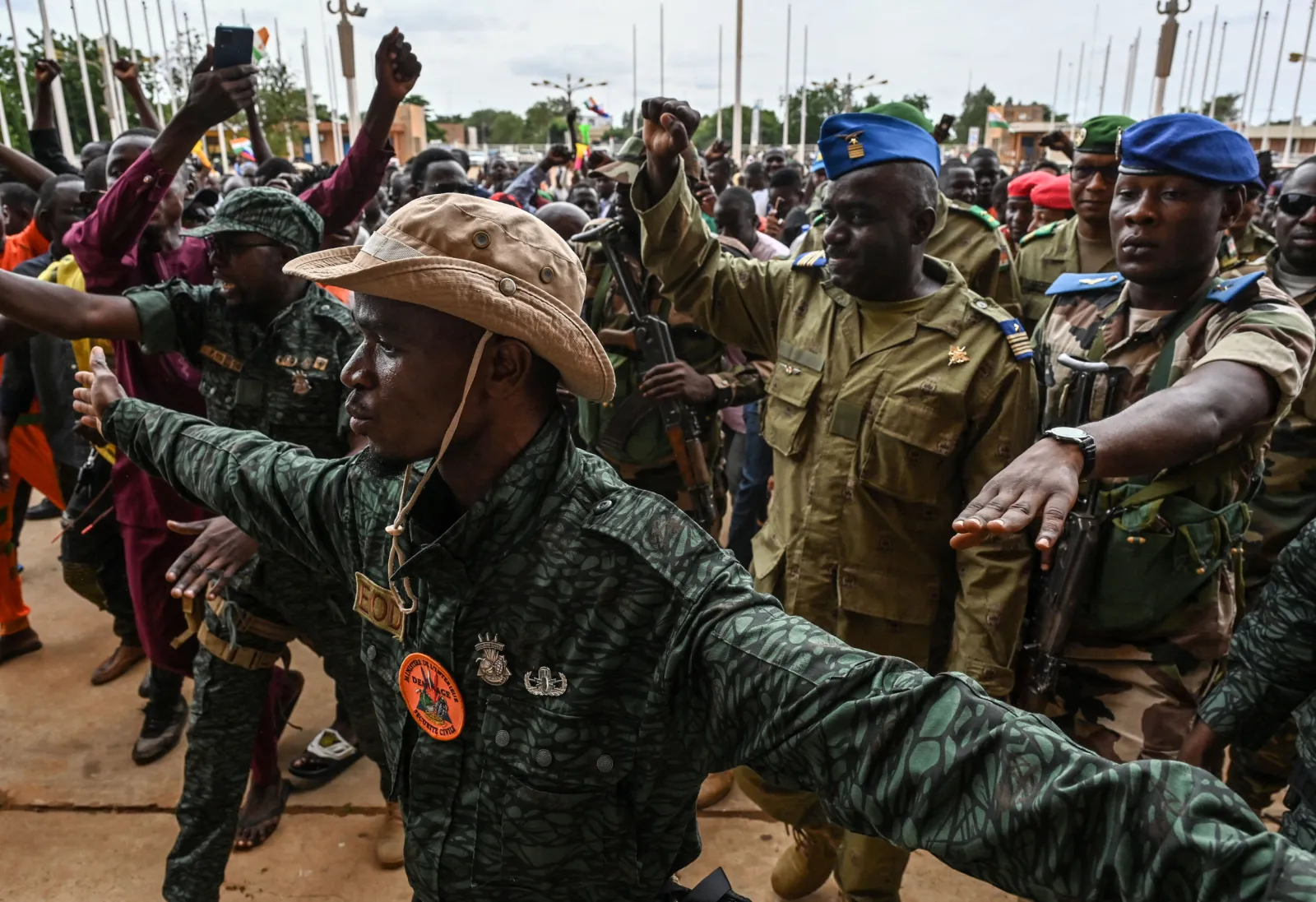
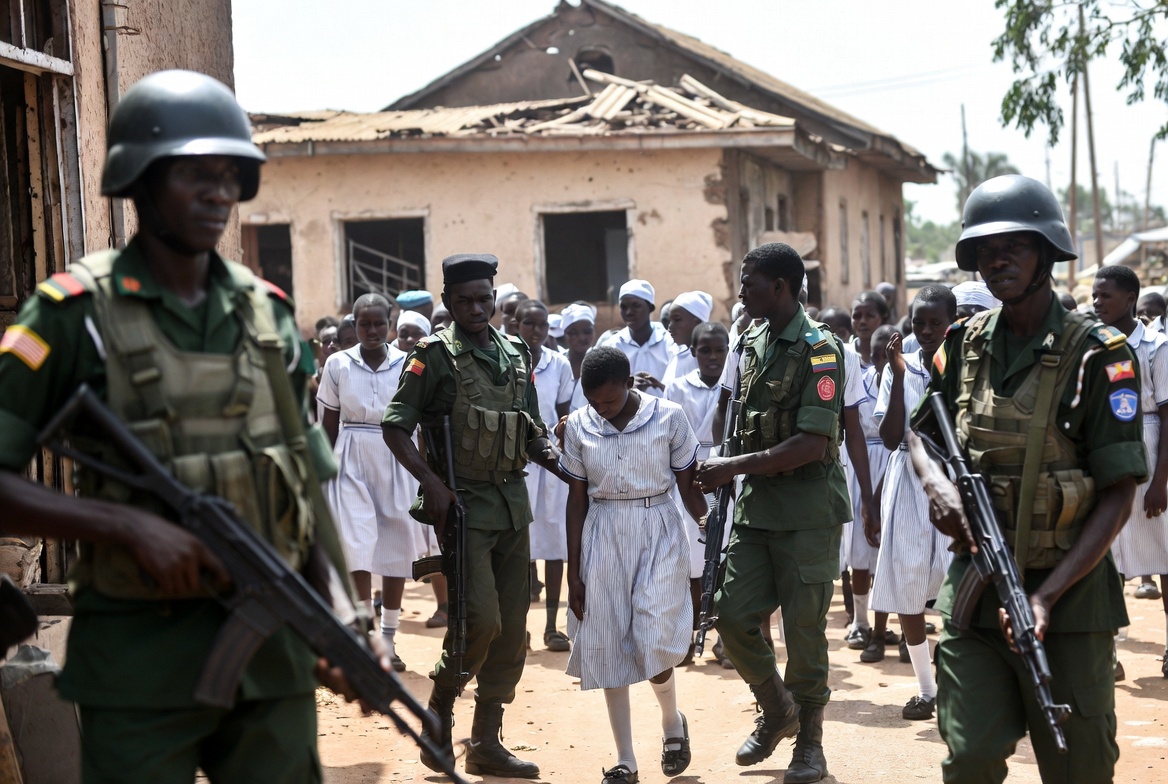
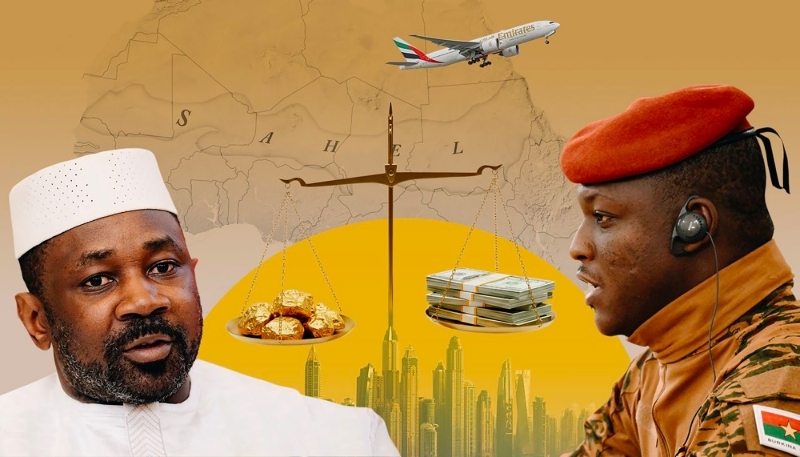
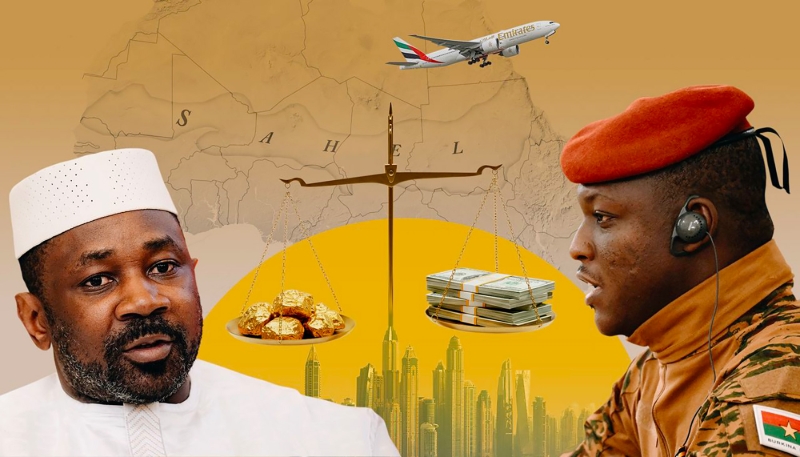
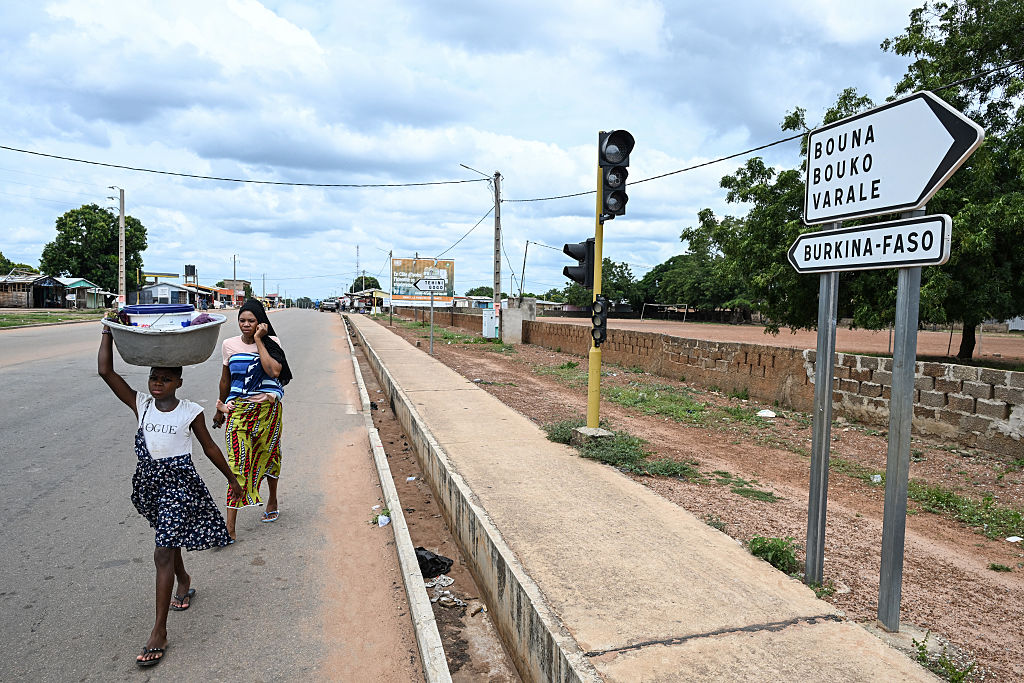
The Sahel, a region scarred by instability since northern Mali’s unrest began in 2012, sees deadly conflict intensifying. This forces cattle herders, like Sidibè, once a revered chief now working in Abidjan, to abandon centuries-old traditions after losing his livestock to armed extremist groups. This upheaval has led many Fulani herders to pivot from livestock rearing to acquiring assets such as real estate and small businesses. It’s a stark reflection of how violence, particularly between farmers and herders, is disrupting pastoral economies, demanding immediate stability and sustainable rural development. The exodus of herders to coastal cities underscores the profound human cost. Simultaneously, Niger is asserting its economic independence, breaking decades of French dominance in the uranium trade. The military government plans to sell uranium directly on the international market, stepping away from the long-standing arrangement with French firm Orano. This isn’t just a symbolic gesture, it’s a strategic move that positions Niger as a more independent player in global supply chains, potentially inspiring greater economic autonomy across West Africa. What could this mean for resource-rich nations in the region?
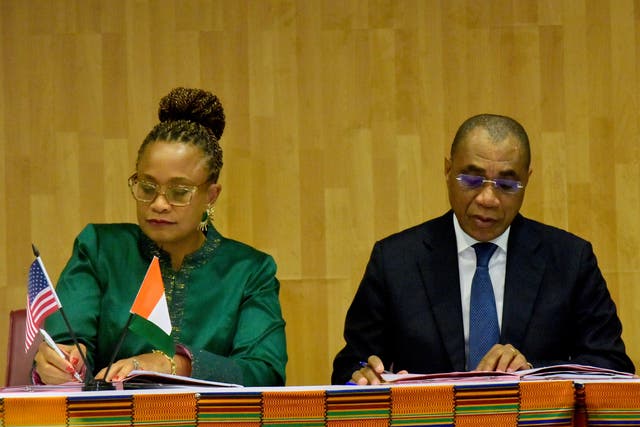
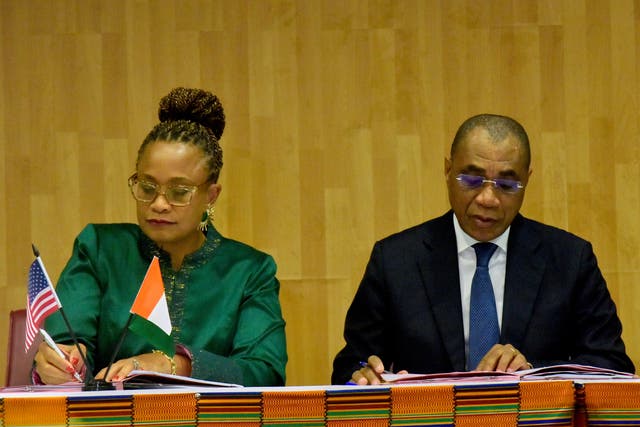
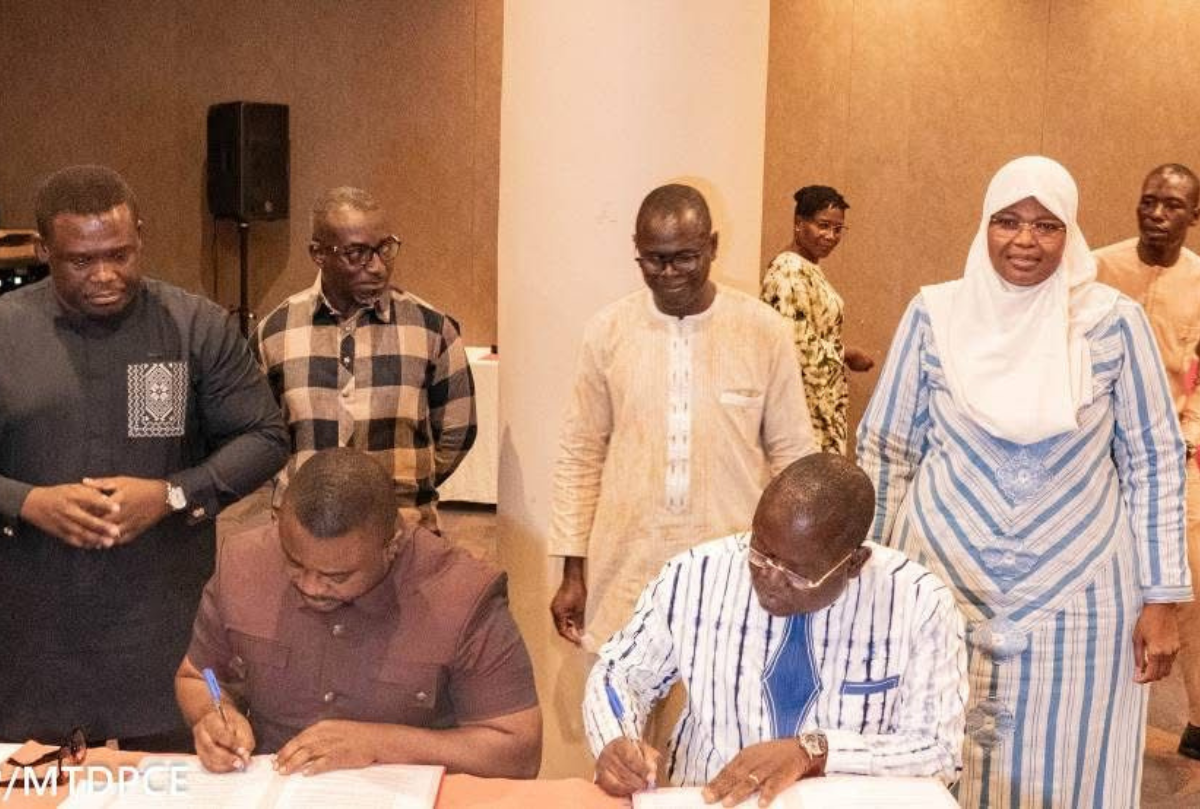
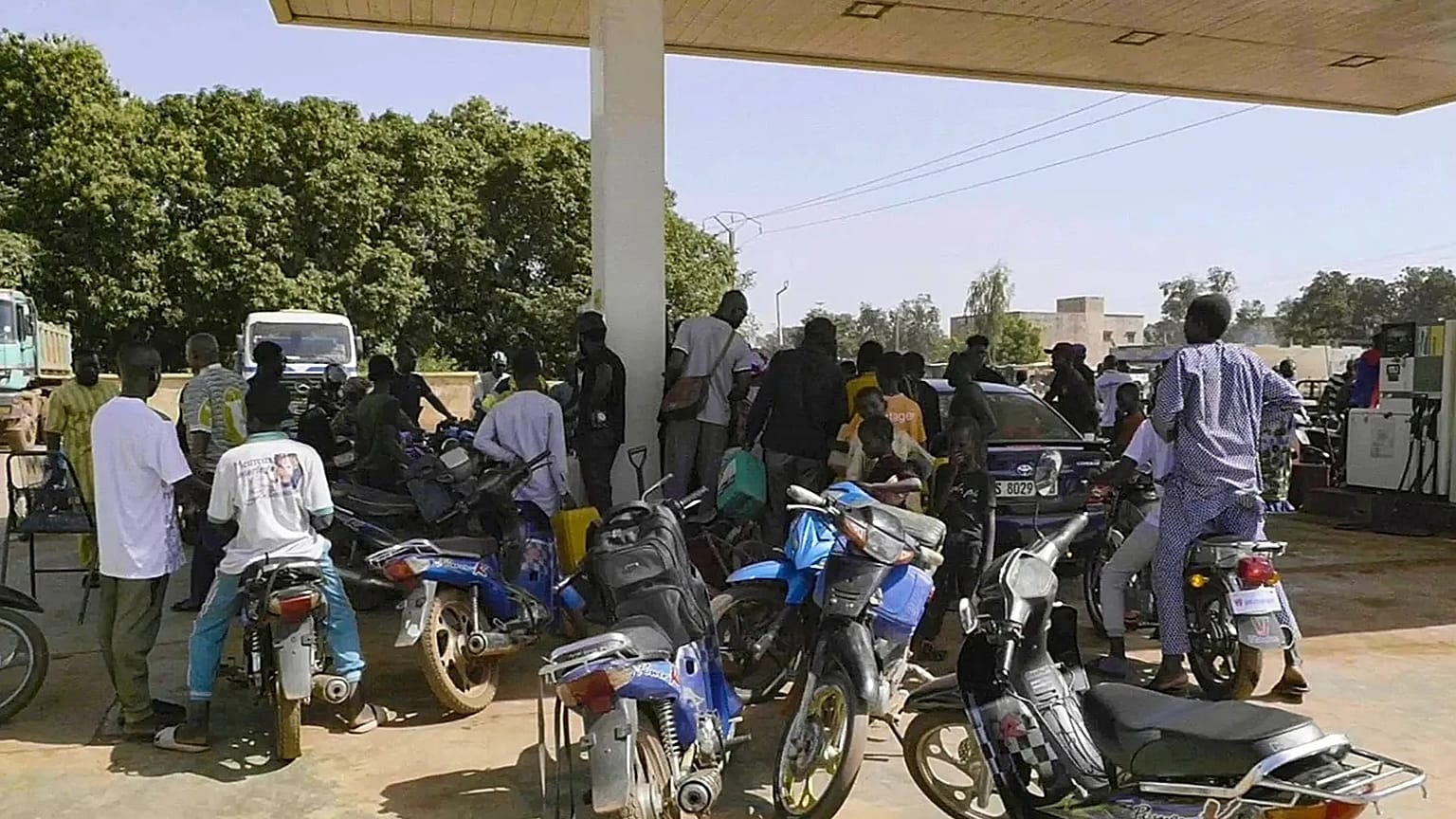
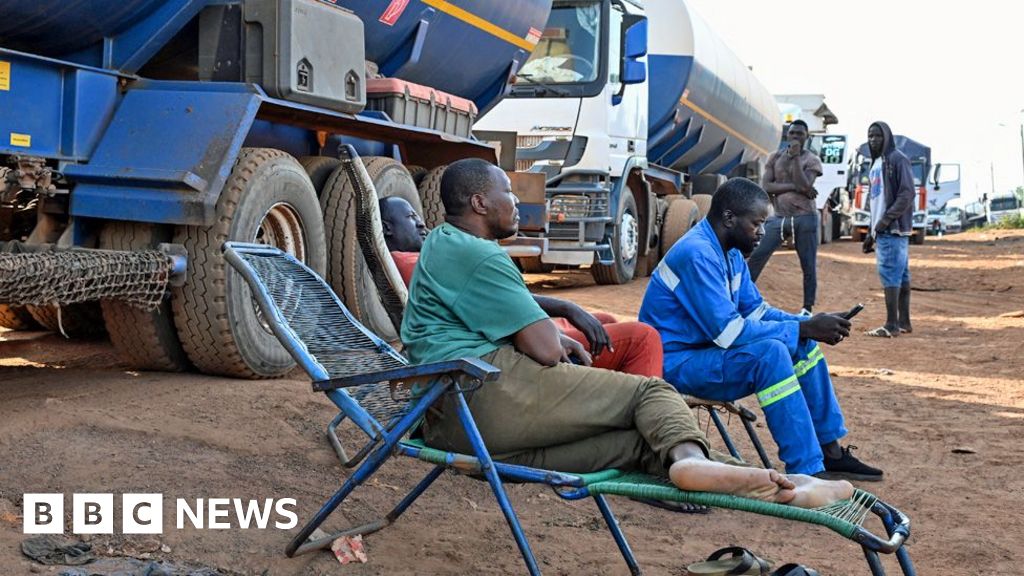
Nigeria, as Africa’s largest economy, is proactively fostering stronger trade ties with Arab countries, with a clear aim to invigorate agribusiness and industrial growth. Its recent inclusion in the Arab Africa Trade Bridges program signals a conscious strategy to deepen collaboration between African and Arab states. Nigerian Finance Minister Wale Edun stresses the vital role of value-added agribusiness and industrial partnerships. These aren’t just about enhancing regional growth, they’re crucial for expanding market access and unlocking new investment opportunities. Nigeria’s push for stronger trade ties promises economic diversification for Nigeria and supports continental agendas for sustainable development and job creation in agriculture and manufacturing. These significant economic developments are happening alongside national policy initiatives elsewhere. Senegal, for instance, has adopted its 2026 Ministry of Agriculture and Livestock budget, a clear commitment to sector growth despite ongoing challenges. The government faces questions about pricing and market stability, yet it remains focused on supporting farmers and herders while improving supply chain management. Across the region, agricultural productivity is deeply intertwined with broader issues like fuel price fluctuations, which directly impact farmer costs during crucial planting, weeding, and harvest periods. Even South Africa’s agricultural sector navigates these pressures, with innovations and research projects transforming meat production and boosting resilience for small-scale farmers. It’s a continental recognition that agriculture remains a backbone of livelihoods and food security, even as rural communities adjust to new realities shaped by conflict and shifting markets. Looking ahead, the interwoven challenges of insecurity, resource management, and trade integration highlight a critical narrative for West Africa: the urgent quest to stabilize and modernize its economies while addressing social dislocation. How will West Africa balance immediate security concerns with the long-term imperatives of sustainable growth and global integration? Only time will tell, but the stage is set for a truly transformative era.