West Africa at a Crossroads: Security, Science, and Digital Ambition Pave the Way Forward
West Africa is truly a region of contrasts right now, isn’t it? We’re seeing a complex mix of serious challenges and incredible strides, all unfolding simultaneously. From alarming security incidents in Nigeria to pivotal health research and bold tech initiatives across several nations, the story here is one of resilience, urgency, and undeniable forward momentum. This report ties together these vital threads, highlighting a region striving to keep its people safe, push the boundaries of science, and expand its digital reach amidst ever-changing dynamics. It’s a critical moment, and how these nations navigate it will shape their future for decades to come.
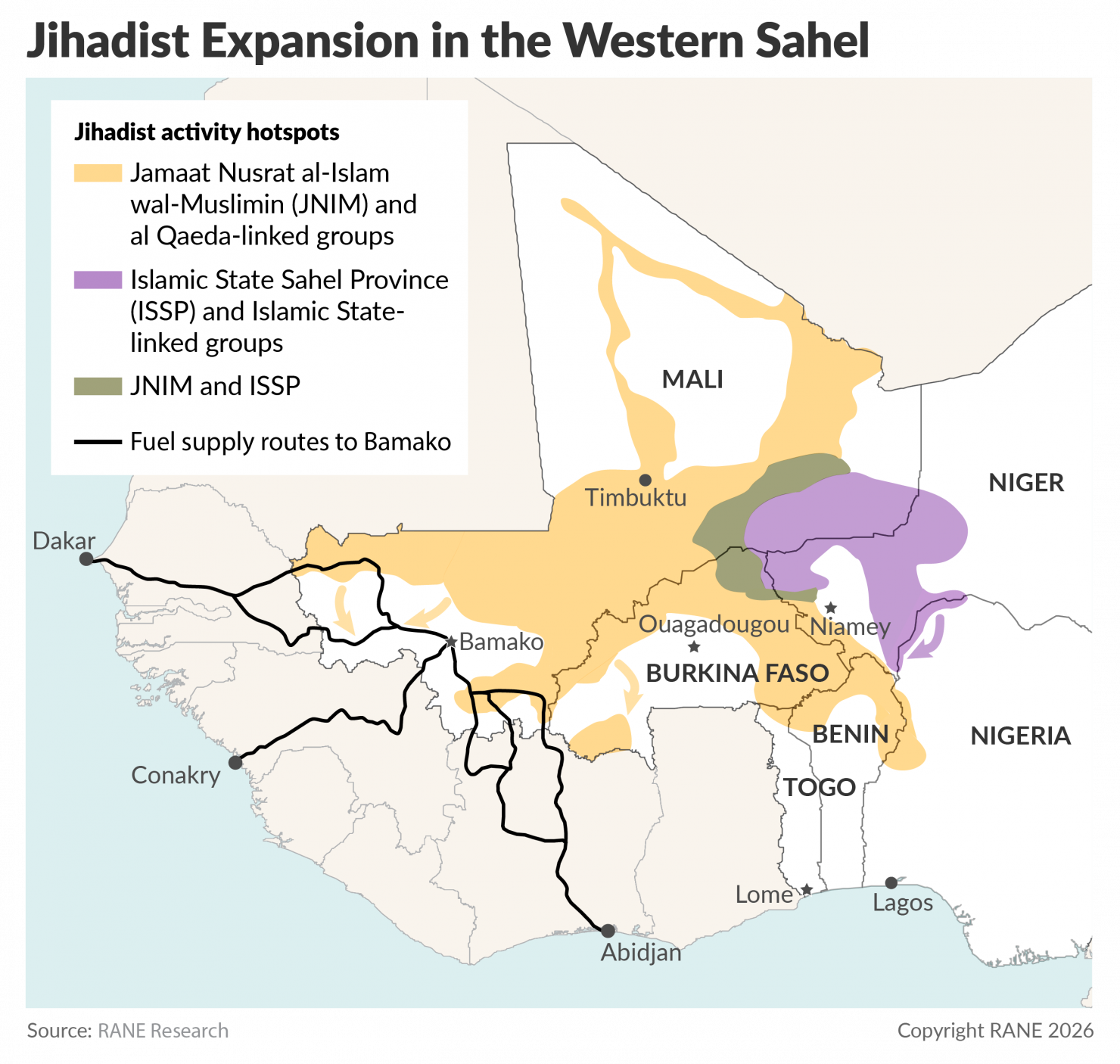
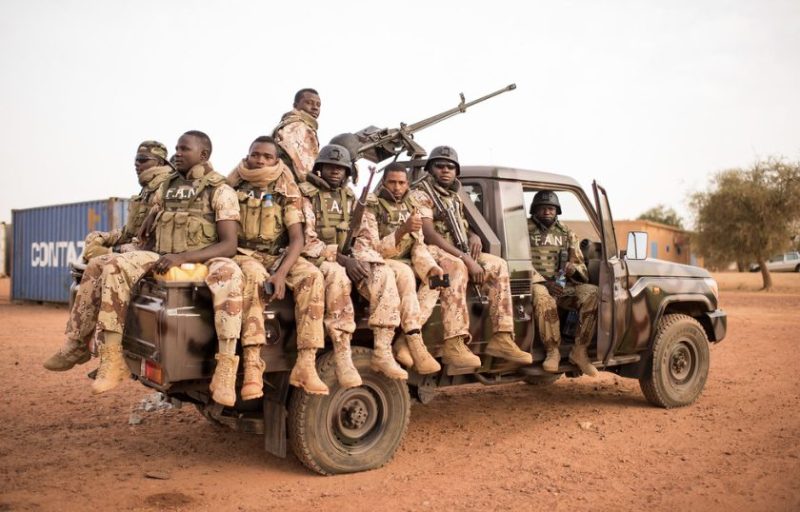
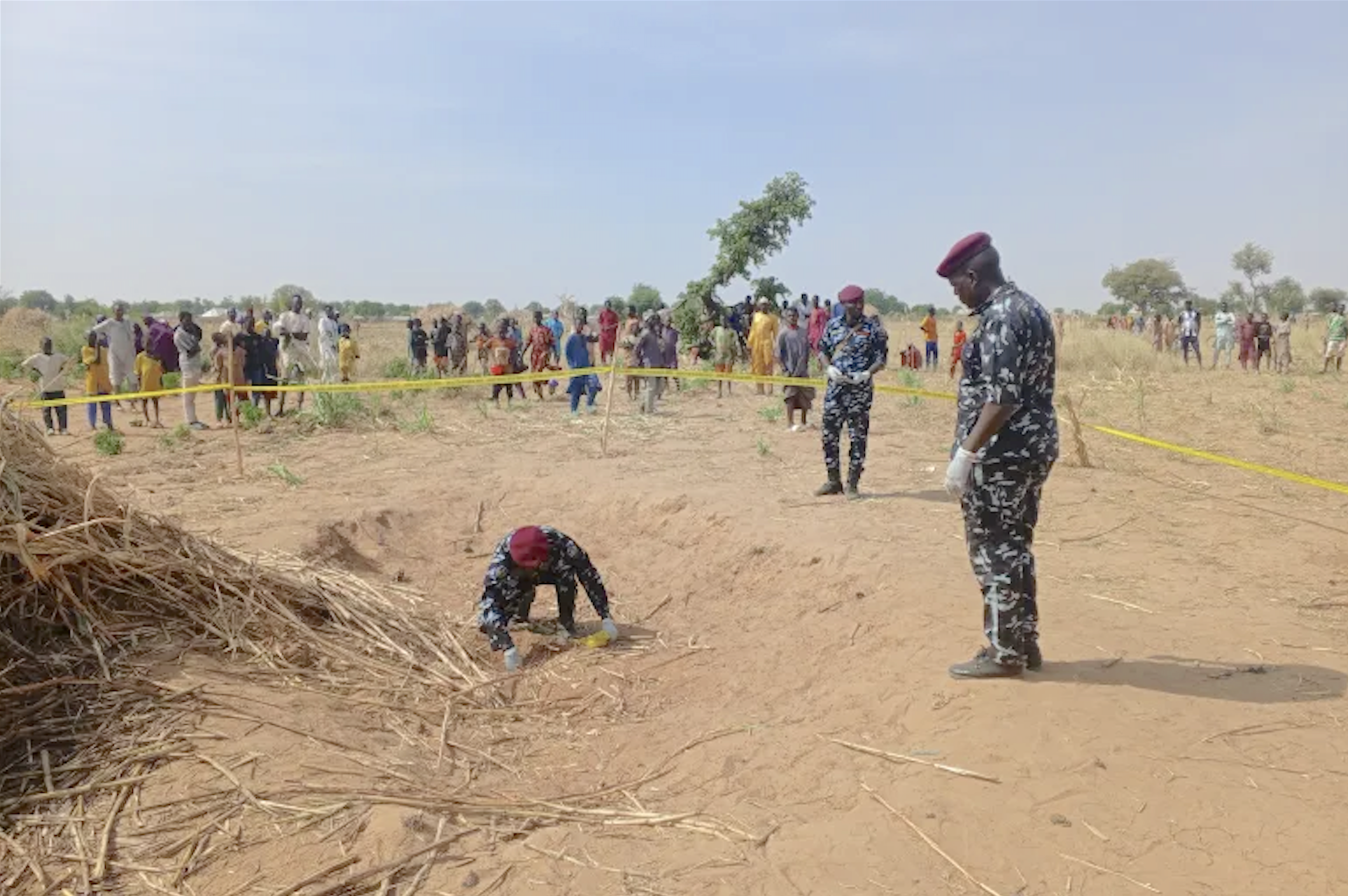
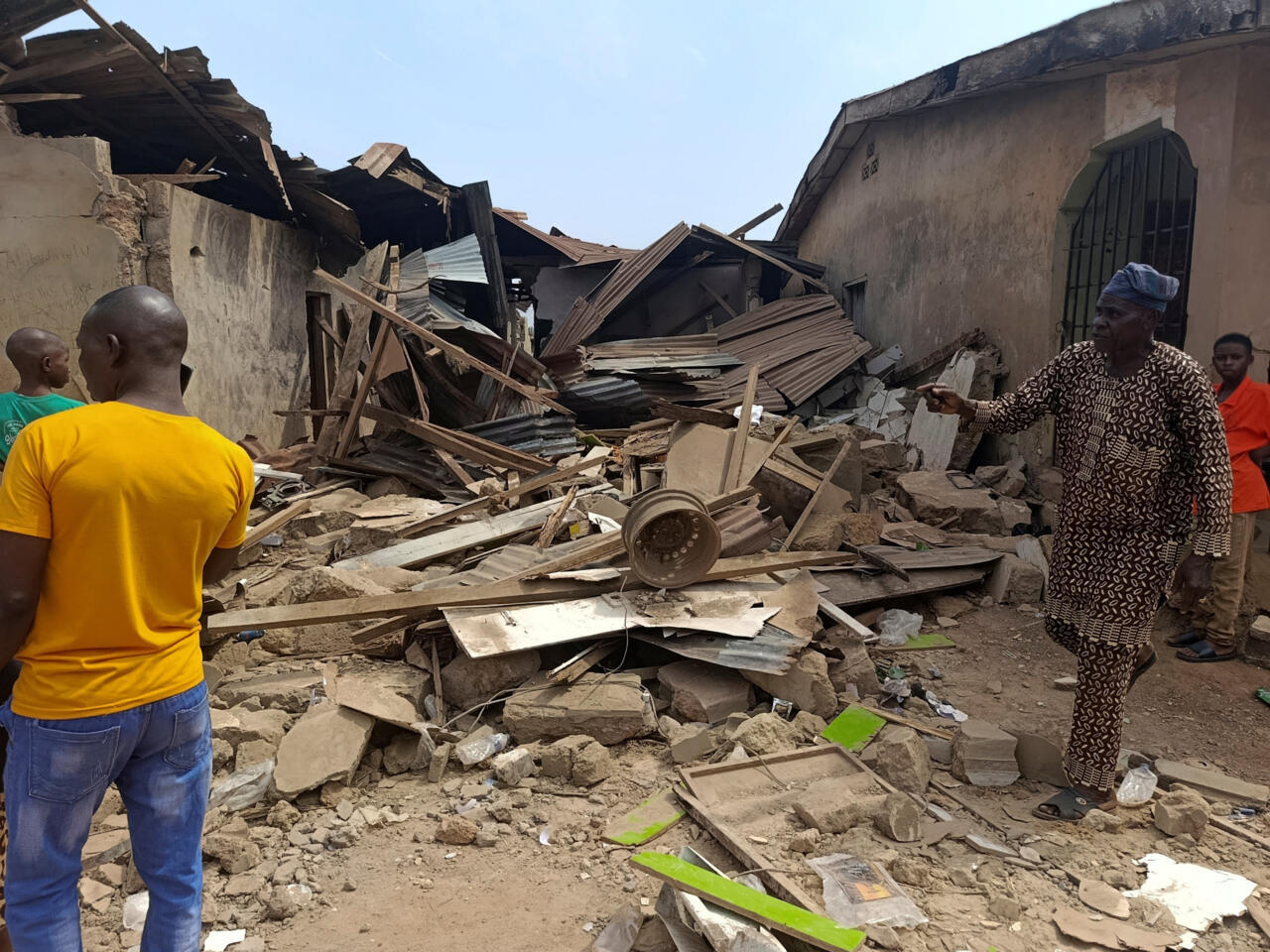
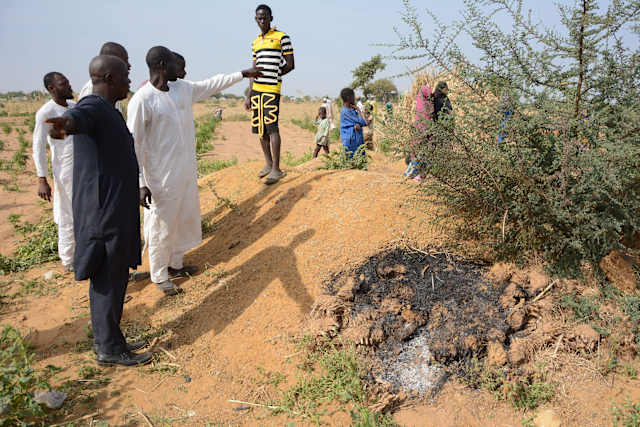
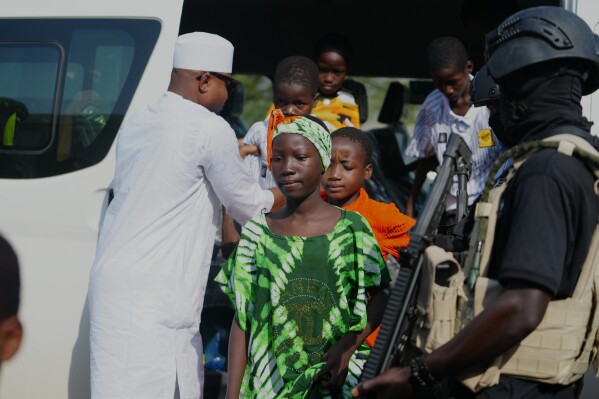
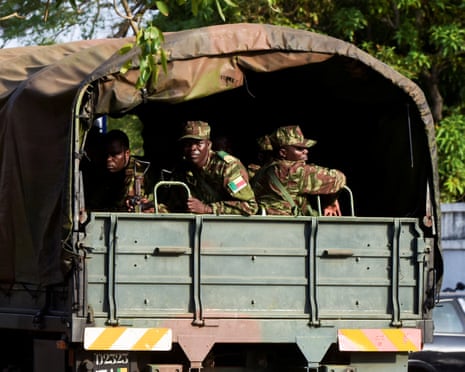
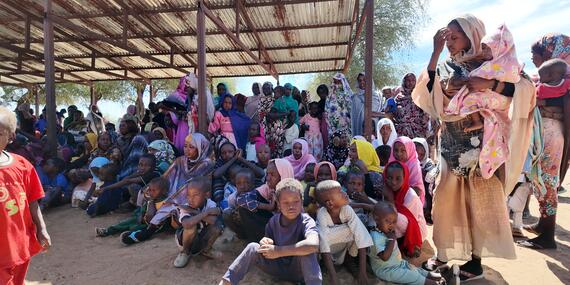
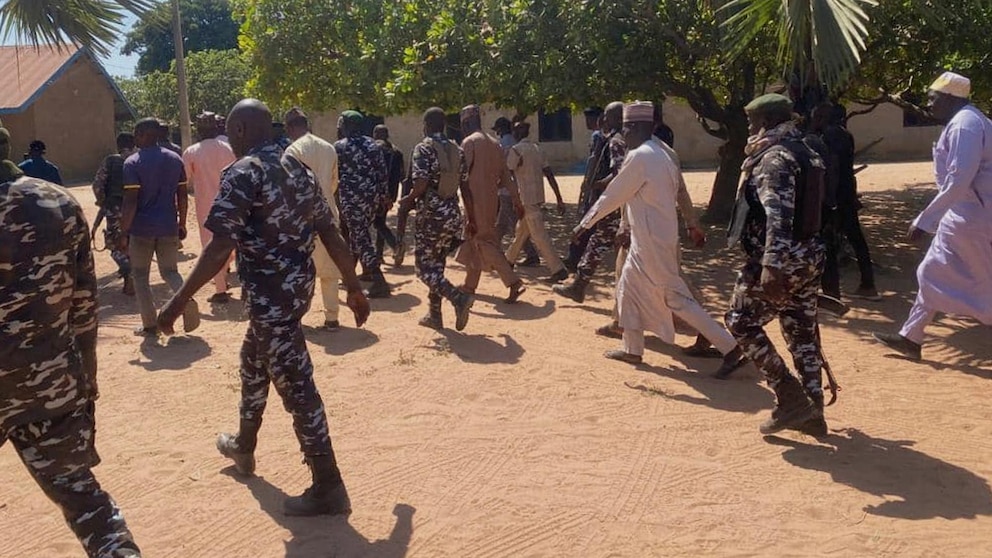
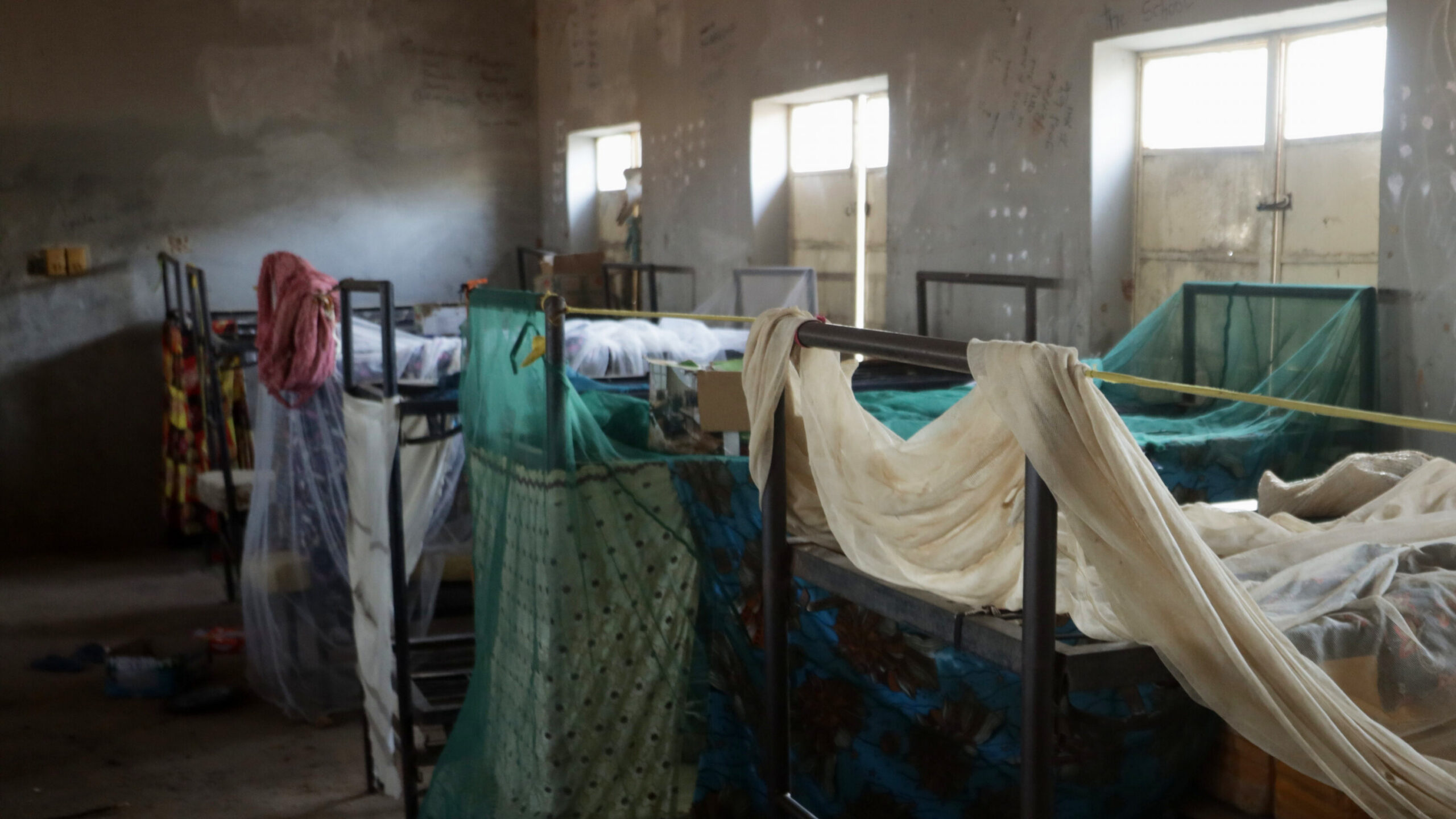
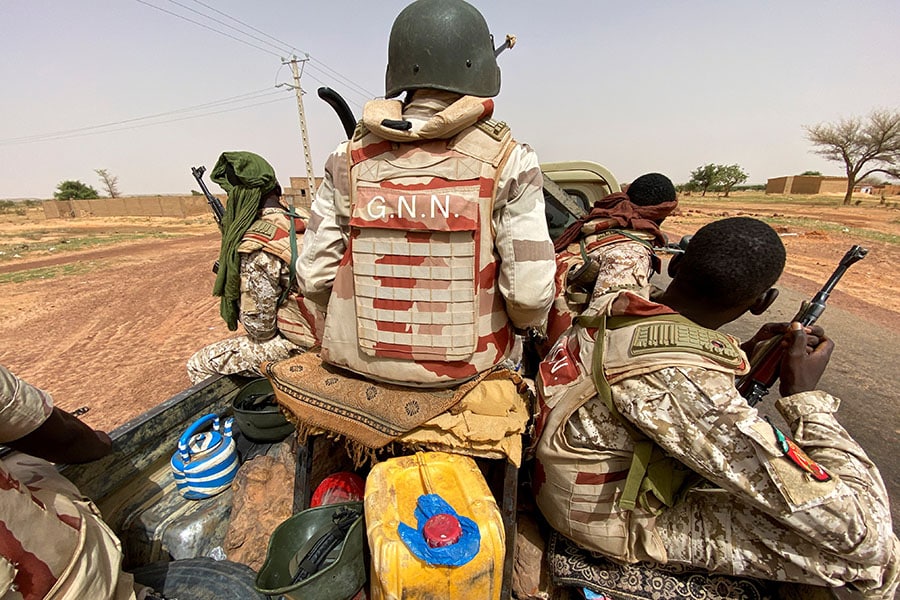
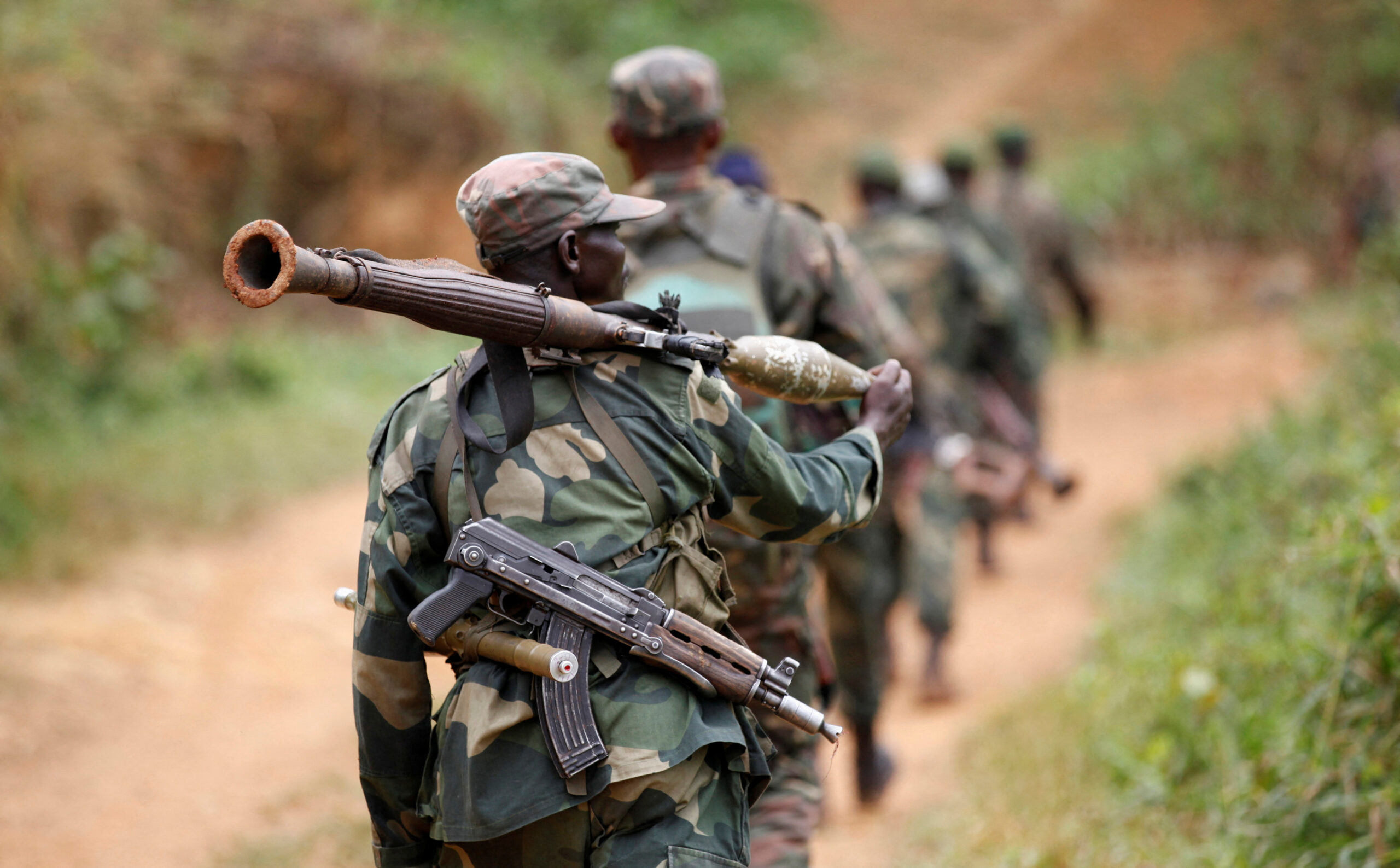
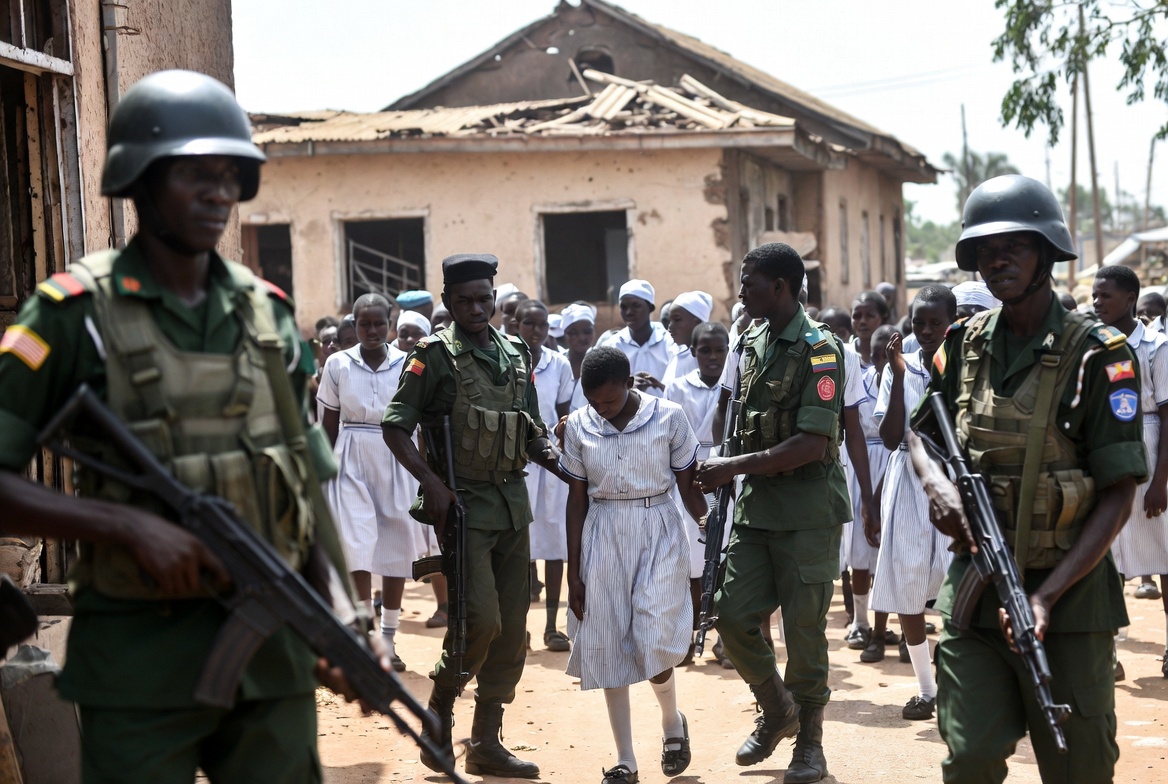
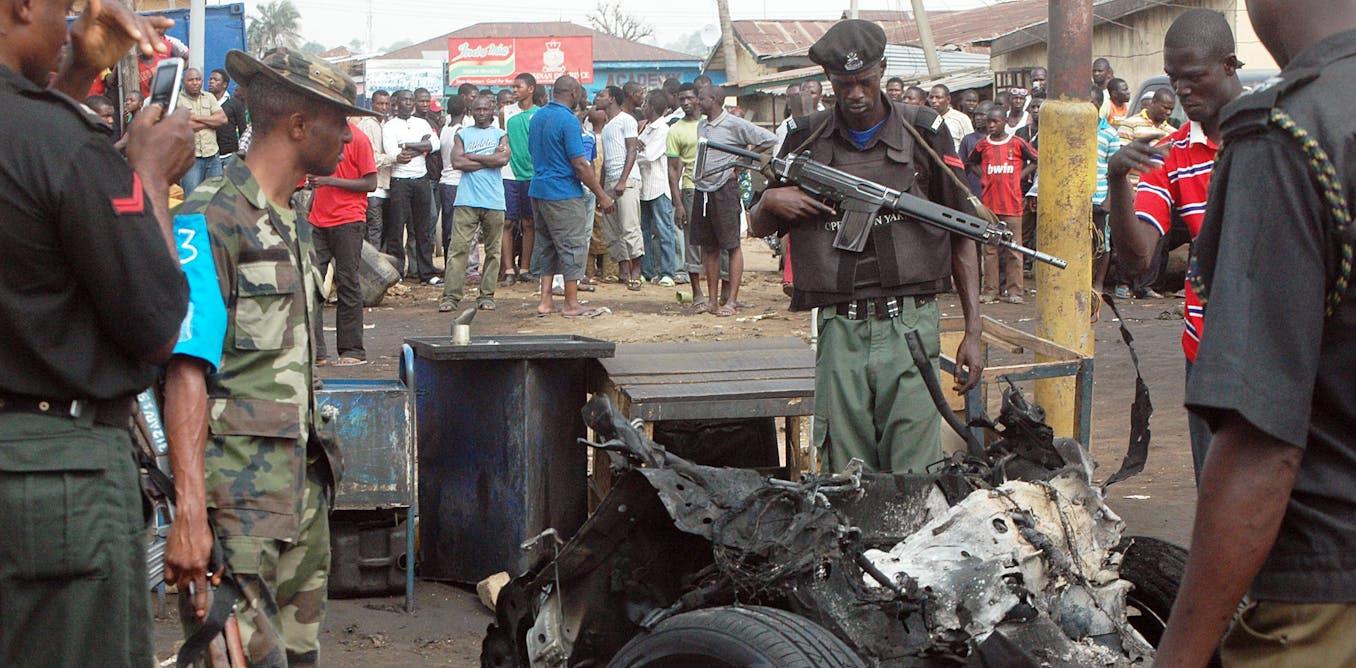
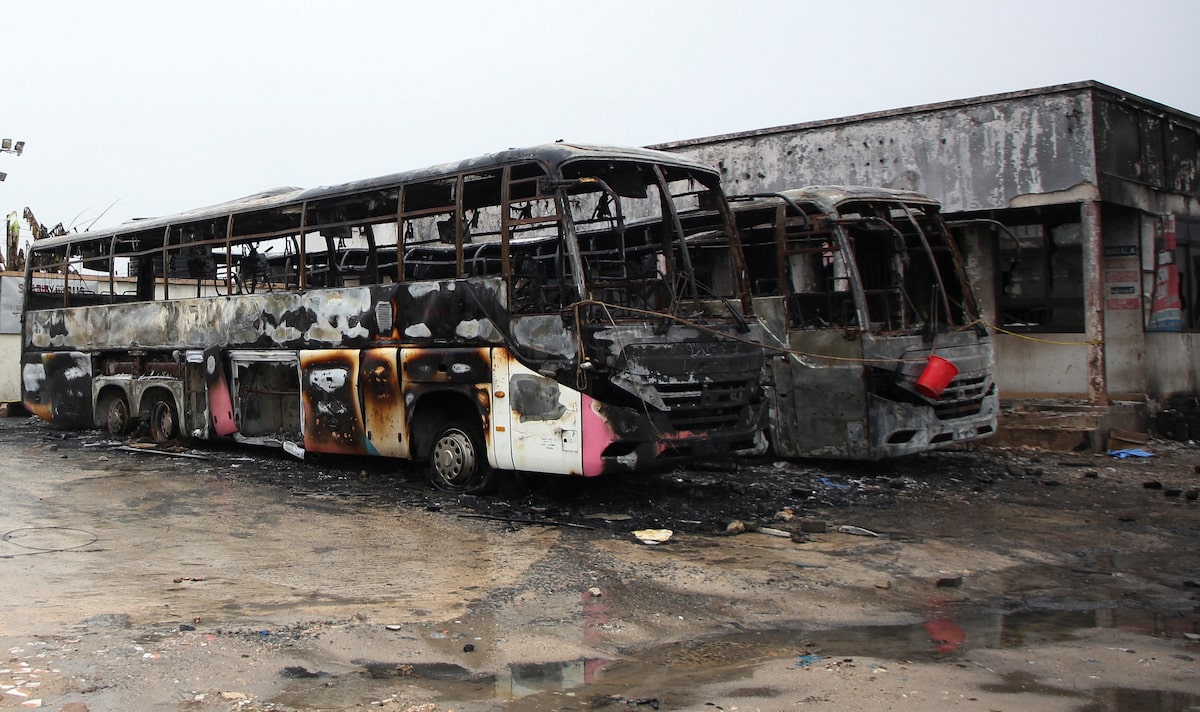
Security remains a top concern, especially in Nigeria. Recently, armed gangs launched brutal attacks in Kaduna state, abducting over 160 worshippers from two churches. This mass kidnapping just amplifies Nigeria’s ongoing security struggles, which sadly extend to criminal gangs, Islamist insurgencies, separatist movements, and resource conflicts. It’s a complex tapestry, intertwined with the country’s diverse ethnic groups and religious divides. Meanwhile, Ghana, a neighbor, is actively tackling a different kind of threat, one that knows no borders: cybercrime. Ghanaian security forces recently arrested nine Nigerian nationals suspected of running extensive cybercrime networks from makeshift offices in Accra, alongside 44 other alleged victims. These busts, a joint effort with international partners, show a clear commitment to dismantling these foreign-led operations across West Africa. The crackdown even reached a Ghanaian social media influencer accused of scamming vulnerable Americans out of millions. These parallel efforts highlight the immense challenges West African governments face as they work to ensure public safety in a world where criminal networks operate both physically and digitally.
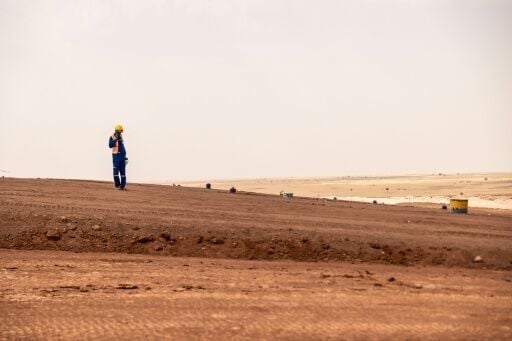
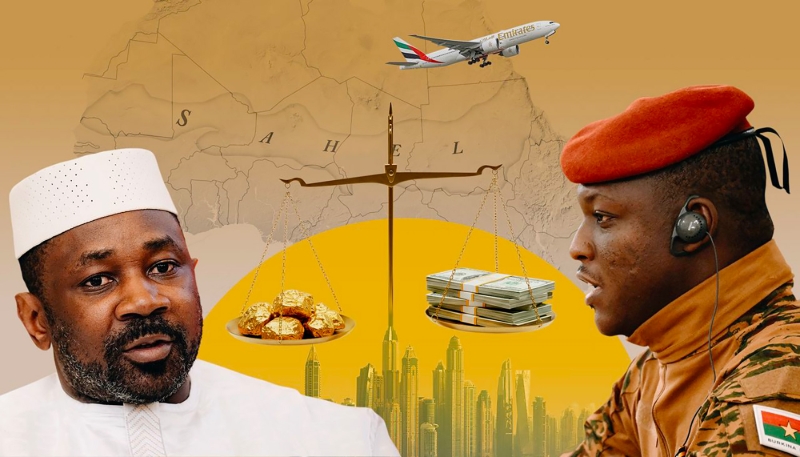
Amidst these security concerns, Nigeria is also making significant contributions to global health. A recent Nature study revealed widespread, undetected mpox exposure among healthy Nigerian adults. This sero-genomic evidence suggests the virus, a relative of smallpox, continues to spread in several regions despite control efforts. Researchers are urging an integrated approach, combining advanced immunological testing with data from other infections like HIV, to better understand immune responses and guide vaccination strategies. Nigeria’s critical role in this research has implications not only for its own public health but also for global pandemic preparedness. Elsewhere, the economic landscape sees its own ups and downs. Côte d’Ivoire’s vital mining sector is facing challenges, with Perseus Mining confirming a second fatality near its Bagoe mine. This tragic incident comes as the Ivorian government implements new revenue measures, including an 8% gold royalty, prompting initial resistance from mining companies. It really shows you the delicate balance these resource-rich nations must strike between economic development, worker safety, and government revenue. On a more ambitious note, West Africa’s burgeoning space sector is truly soaring. Algeria recently launched a new satellite to boost environmental monitoring, and Senegal plans to launch its second, GAINDESAT-1B, to gather crucial climate and territorial data. These projects are part of a larger continental push, with over 21 African countries now managing some 65 satellites. While challenges remain, like Uganda’s recent Starlink service discontinuation, these advancements signal a growing expertise and ambition within Africa’s technological sphere. As we look ahead, West Africa’s future will clearly be shaped by this intricate interplay of addressing deeply entrenched security risks, advancing cutting-edge science, and cultivating technological self-reliance. Continued regional cooperation, smart investments in research, and building robust technological infrastructure will unlock the full potential of this diverse and dynamic part of the world, allowing it to lead not just endure. Finally, Ghana, which is another of West Africa’s vital countries, has made notable strides in countering another form of crime that transcends borders: cybercrime.